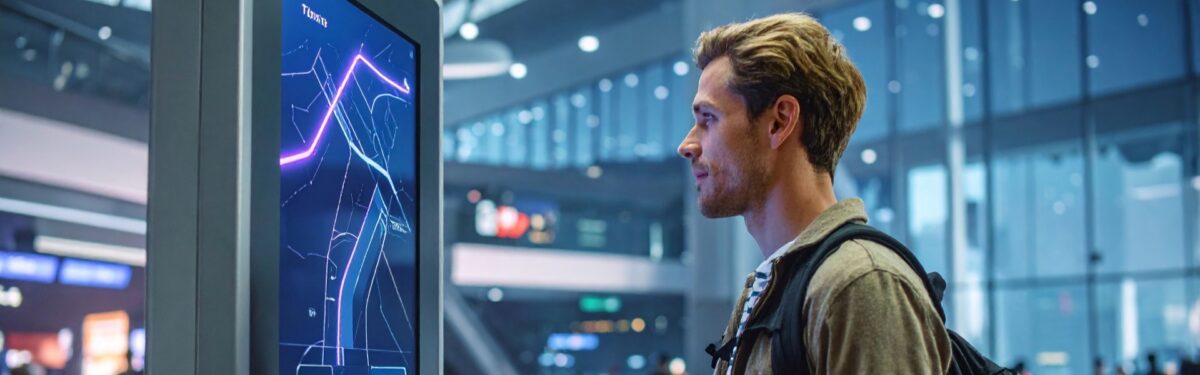
Improve guest satisfaction and operational efficiency with interactive wayfinding. Learn how digital signage transforms navigation in hotels, resorts, and convention centers by reducing friction and creating smarter, more connected venue experiences.
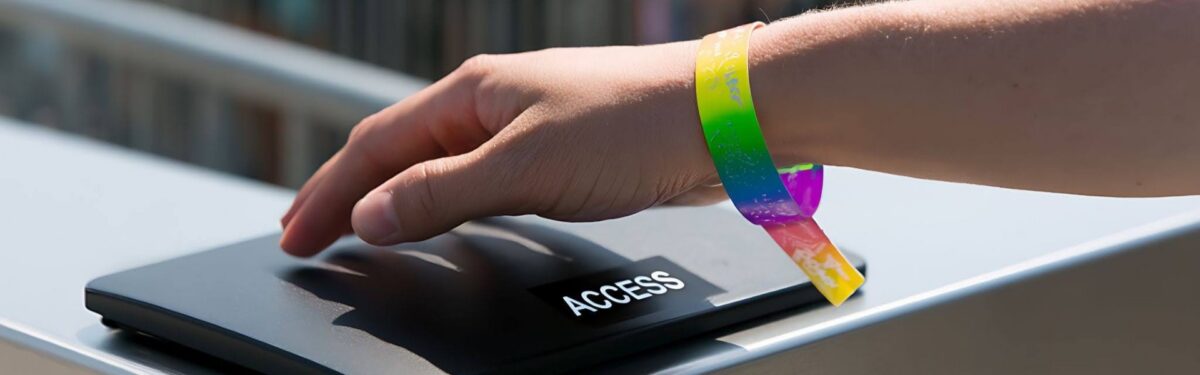
Transform your venue with wristband ticketing. Learn how RFID technology streamlines entry, boosts security, and creates a seamless, connected guest experience.
Augmented reality (AR) is transforming live events by turning passive attendees into active participants. From interactive wayfinding to gamified brand activations, AR creates more engaging, personalized experiences while delivering measurable ROI.
Guests remember how an event made them feel. Augmented reality (AR) is quickly becoming one of the most powerful catalysts in invoking feelings that provide unforgettable guest experiences.
According to the Global Augmentality Shift Study commissioned by Snapchat, two-thirds of consumers express interest in experiencing AR at events and conferences. And that’s just the one setting among many. The global AR market is still immature, reaching $120 billion in 2025, but with projections expecting to surpass $1 trillion by 2033. That growth is not coincidental. It reflects a broader shift in what attendees expect from live experiences.
We’ve known about AR and its potential for a while. But how can AR be used at events to truly engage guests and drive results? As a benchmark, such investments in smart technology demand the right foundation in smart connectivity. From there, the creative implementation of AR in event spaces can range from interactive wayfinding in sprawling convention centers to gamified brand activations at sports stadiums.
AR is giving event professionals a new toolkit for turning passive attendees into active participants. The question for hospitality leaders is no longer whether to adopt it, but how to deploy it with intention.
What is AR at a Glance?
AR combines the use of technology and real-time display to add layers of digital content onto the user’s view of the physical world.
Unlike virtual reality (VR), which takes you completely out of your environment by replacing it entirely with a simulated version, AR enhances what is already present in front of you. It adds visual elements such as animation, information, etc., directly into a user’s view of the world.
AR can be deployed on a much larger scale than many hospitality providers realize. Since a vast majority of people now carry smartphones, all of your guests are ready for an AR experience. There’s no need for a headset, a kiosk or renting any special equipment. This makes deploying AR experiences to large groups much easier than you think.
AR can be deployed across multiple types of venues. Guests in a hotel ballroom scan a centerpiece with their phones to see a personalized welcome message from the event host. Fans attending a sporting event point their phone at the field and pull up real-time statistics about players. At a resort pool deck, there may be an AR scavenger hunt that encourages guests to explore other parts of the property.
Event AR Ideas: Creative Use Cases That Engage Guests
Event formats vary greatly, from small private gatherings to larger-scale conventions and exhibitions. Below are several event AR ideas and creative applications of the technology that have generated the greatest interest among hospitality and event planners and managers.
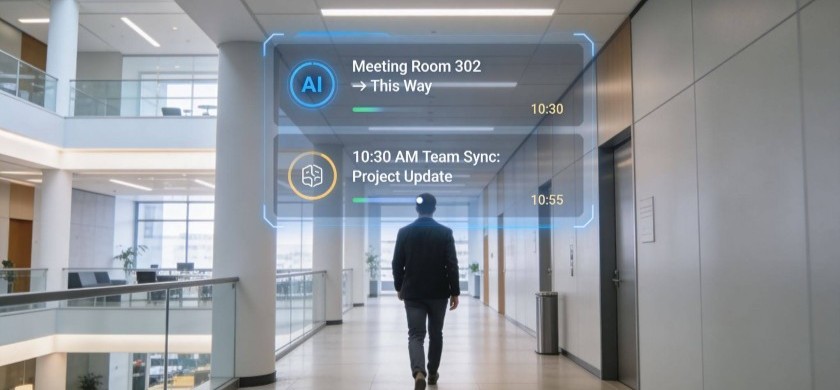
Navigation and Wayfinding: Using their smartphone, guests can utilize AR to visualize and guide themselves through a large event space by overlaying directions on a map with arrows pointing out the location of meeting spaces, bathrooms and other sponsor booths.
Sponsor Activations: By replacing static sponsorship signage with AR-based sponsorship activation signage, attendees may choose to scan a sponsor’s logo to receive access to an exclusive promotional video, reward, or discount. Organizations will be able to track measurable engagement statistics as part of their marketing efforts.
Live Presentation Overlays: During live presentations, speakers may use AR to display three-dimensional graphics, product models, or real-time data visualizations that appear above the stage, providing visual stimulation to attendees throughout the presentation.
Personalized Guest Moments: When attendees scan an individual’s name tag, badge, printed event program, etc., they will be provided with customized welcome messages including the attendee’s agenda, recommended sessions and/or interactive brand content specific to each attendee.
Gamification and Scavenger Hunts: Event organizers create AR-based interactive games and scavenger hunts that encourage attendees to explore the event space. In one case, a pharmaceutical company used this type of experience to increase dwell time at sponsor booths from approximately 47 seconds to over 8 minutes.
AR Photo Booths: With the ability to add digital overlays, branded backdrops, or digital characters and then immediately post images to social media platforms, attendees can provide greater awareness and extend their experience far beyond the event floor.
Smart Badge Interactions: Using smart badges or wristbands, attendees are able to interactively view their personal agenda, session recommendations, or even interactively view maps of the venue. This provides an additional opportunity for organizations hosting these types of events, such as trade shows and conferences, to enhance network opportunities among attendees.
Real World Examples of AR at Events
AR’s impact on live events has elevated guest experiences to provide lifetime memories. These creative examples show what is possible when the technology is deployed with clear intent and strong execution.
Coachella 2023: AR Performances Take Center Stage
Both Blackpink and Gorillaz’s headlining performances at Coachella in 2023 used broadcast-quality AR as part of their live sets. The audience experienced abstract digital graphics blending with physical stage elements. These unique and visually stimulating shows elevated the music to a heightened sensory experience and provided a creative testament to how music festivals and events can use AR to incorporate visual elements to a higher level.
Universal Studios: Jurassic Park AR Draws 20 Million Visitors
American Express and INDE collaborated with Universal Studios to develop a full-scale AR dinosaur experience based on the Jurassic Park franchise. This experience allowed guests to walk through a space filled with realistic-looking, 3D dinosaurs overlayed onto the actual space. This experience attracted approximately 20 million visitors over two years, illustrating that AR experiences tied to a prominent brand or identity can be a key factor for drawing people to an event.
T-Rex Revealed Shanghai: 150,000 Guests on Day One
National Geographic, along with INDE, developed a traveling exhibition called “T-Rex Revealed” using only AR-based technologies. On its first day in Shanghai alone, the exhibit drew an estimated 150,000 attendees. The combination of an AR-enabled app and AR broadcast on a large screen enabled viewers to interactively explore ancient creatures in a new way. While these results demonstrate potential for AR-enhanced exhibits, they also represent a possible solution for convention and expo organizers looking to use AR technology to increase the traffic and impact of exhibitions.
Nutanix: Reinventing the Trade Show Booth Virtually
When in-person events became limited, enterprise tech company Nutanix launched a fully virtual AR expo booth that attendees could access from anywhere in the world. The activation reached a significantly larger audience than a physical booth ever could. As a push to evoke greater engagement with trade show technology, event managers may consider using AR-enabled booths alongside live events to expand sponsorship or exhibitor exposure beyond what a single location and date can accommodate.
Jackson Hogg: AR Activation at a National Recruiting Event
At a major national recruiting event, Jackson Hogg activated an AR experience, which was triggered by a QR code displayed at their exhibit booth. When attendees scanned the QR code with their phone, they then watched a video about Jackson Hogg’s products and services. The AR-enabled interactivity turned a typical trade show booth into a dynamic branded experience. No special equipment was needed to implement the AR experience and it functioned on every smartphone. It also produced an immediate impact within the competitive recruiting event space.
How to Implement AR at Event Spaces
The quality and success of an AR experience depend on thoughtful planning in multiple areas, particularly around identifying the strategy, technology and infrastructure. Below are considerations to keep in mind when implementing AR at event spaces.
Start with a clear goal for the guest experience. Before making any technological selections, determine how you anticipate your guests to perceive or react to the inclusion of AR. What sort of feeling do you want to invoke? This objective will guide all subsequent decisions related to design and technology.
Know your audience’s device expectations. The majority of event AR installations today are designed for use on mobile phones. Because attendees already have this hardware, it can be a strategic advantage. Design the minimum acceptable level of technology for your target audience. Typically, this means creating web-AR experiences that are accessible in a web browser rather than requiring an app download. As such, keep it low-friction and highly participative.
Choose the right trigger method. There needs to be some form of entry into an AR experience. The triggering methodology should be based on your venue’s layout and your guests’ expected behaviors. Image markers and QR codes may be ideal for sponsor activation and print materials, whereas GPS- or surface-activated triggers would be better suited for wayfinding and larger open spaces.
Build the creative and design around the physical space. AR content should feel like part of the physical space. In turn, designers should focus on elements like digital overlays that enhance their surrounding physical environment. Also consider lighting conditions and motivate guests with incentives or reasons to travel throughout the space rather than remain stationary.
Prioritize network infrastructure above everything else. Basic smartphone AR applications require 10-50 Mbs of consistent bandwidth per user, whereas enterprise-grade AR installations utilizing 3D holograms can require 100 Mbs or greater. With tens of thousands of devices vying for signal in densely populated event venues, a robust WiFi infrastructure is the single most important consideration for ensuring the AR experience operates as expected.
Plan for on-site support and guest onboarding. All but the most intuitive AR experiences benefit from adequate signage, pre-event communications and minimal on-site support staff. If interactivity is required, clearly communicating AR functions prior to the event via email or the event app can significantly increase participation and reduce on-site confusion.
Select the right AR platform and development partner. Off-the-shelf platforms such as 8th Wall, Zappar and Niantic Studios provide scalable web-AR solutions without requiring custom development. When developing more complex or branded AR experiences, partnering with a dedicated agency ensures that the experience is designed specifically for the unique dimensionality, lighting and guest flow of each venue.
Test under real-world conditions before the event. It’s rare that testing an AR installation in a vacant venue exposes performance issues that arise when hundreds of guests are on the network at once. Perform a simulated peak attendance stress test prior to the event, and confirm performance in every area of the venue where AR content will be active.
Measure what the experience delivers. Most traditional event activations lack access to the same first-party data generated by AR platforms, such as scan rates, dwell time, and interaction depth. Identify benchmark measurements prior to the event so that post-event reporting can clearly articulate return on investment to sponsors, stakeholders and leadership.
Ensure Ample Connectivity to Support Your AR Installation
AR experiences are only as powerful as the network running beneath them, and that is where Cox Business Hospitality delivers. Cox Business provides the full spectrum of connectivity infrastructure that large-scale AR installations demand, from high-density WiFi coverage across sprawling convention floors to private networks that keep guest-facing experiences fast, secure, and uninterrupted. Whether you are running an AR activation at a stadium, a resort, a casino or a convention center, Cox Business designs and implements purpose-fit solutions built for your venue’s specific scale and guest volume.
Live event WiFi delivers reliable wireless connectivity for large, crowded venues. It powers thousands of simultaneous device connections across guest access, event management systems and production teams.
From convention centers and stadiums to arenas and entertainment venues, dependable connectivity helps events run smoothly and keeps guests connected from start to finish.
How Live Event WiFi Works
High-Density Coverage Across Your Venue: Effective coverage starts with the right network design. Access points (APs) distribute wireless signals throughout the venue to provide bandwidth for guests, staff and event technology. High-density deployments use more APs with smaller coverage areas. This approach reduces congestion and helps devices stay connected as attendees move throughout the venue.
Strong Wired Infrastructure Behind the Scenes: A reliable wired foundation helps improve network speed and stability. Fiber optic and Ethernet cabling connect APs to the core network, while multi-gigabit backhaul supports thousands of simultaneous users. Wireless backhaul may work for smaller environments, but large-scale events typically require stronger wired infrastructure to avoid bottlenecks and performance issues.
Secure Networks for Guests, Staff & Event Operations: Different users require different levels of access. Segmented networks keep guest traffic separate from staff systems and event technology, helping improve security and performance. Separate service set identifiers (SSIDs), virtual local area networks (VLANs) and quality-of-service (QoS) policies help prioritize important traffic like point-of-sale (POS) systems, livestreams and production equipment.
Our Live Event WiFi Solutions
Our Cox Business Hospitality brands help venues stay connected, support event teams and create better guest experiences with managed connectivity solutions built for high-demand environments.
High-Density WiFi Coverage
Large venues need wireless coverage that performs under pressure. Our high-density WiFi solutions deliver fast roaming, consistent connectivity and custom network design across your property.
Dedicated Event Networks
Keep guests, vendors and event operations connected without competing for bandwidth. We provide secure segmented networks with traffic prioritization, temporary event internet and pop-up network support. We also streamline private connectivity for VIP areas, production teams and critical event systems.
Connectivity & Infrastructure Services
Our fiber and redundant connectivity solutions help venues scale for large events and connected technologies. Elevate convention centers, trade shows and smart venue experiences with enterprise-grade wireless infrastructure designed for demanding environments.
Managed Support & Monitoring
Our team provides 24/7 monitoring and support to help keep your network running smoothly before, during and after your event.
Solutions include:
On-site technical response teams
Proactive network management
Real-time performance monitoring
Ongoing managed support services
Guest Experience & Revenue Opportunities
High-performing connectivity helps create better guest experiences while opening new opportunities for sponsors and venue engagement. Optimize branded splash pages, attendee engagement tools and customized guest experiences with flexible solutions designed for your venue and events.
Live Event WiFi Challenges
Large-scale events place heavy demands on wireless networks. Without the right network strategy in place, venues may experience connectivity issues that affect both guests and operations.
Too Many Devices Competing for Bandwidth: Thousands of connected devices can quickly overwhelm available bandwidth, slowing speeds and frustrating attendees. Modern events require careful capacity planning for today’s high device usage and streaming demands.
Signal Interference in Crowded Venues: Production equipment, personal hotspots and overlapping WiFi channels can interfere with wireless performance. Strong network planning helps reduce interference and maintain coverage across the venue.
Poor Access Point Placement: Decorative structures, venue layouts and large crowds can weaken wireless signals. Human bodies also absorb WiFi signals in densely packed environments. On-site testing helps identify dead zones and ensures everything is in place before attendees arrive.
Weak Wired Infrastructure: Access points rely on strong wired connectivity behind the scenes. Limited fiber or Ethernet capacity can reduce wireless performance and create network failures during busy events. Redundant connectivity helps improve security and reduce downtime.
Shared Networks Without Traffic Prioritization: When guests, staff and event systems all use the same network, critical applications may slow down or fail. Segmented networks and QoS policies help protect important traffic and improve both guest experience and event performance.
Live Event WiFi Applications
Live event WiFi powers the connected experiences guests expect while helping venues keep operations running smoothly behind the scenes. From mobile ticketing and digital signage to livestream production, vendor connectivity and smart venue technology, strong WiFi helps every part of the event stay connected and perform at scale.
Attendee Experience & Engagement
Strong WiFi helps create a smoother guest experience from arrival to event completion. Guests can stay connected, access event information quickly and engage with digital experiences throughout the venue, including:
Mobile ticketing
Conference and event apps
Digital signage and wayfinding
Audience polling
Social media sharing
Event Operations & Production
Dedicated connectivity helps event teams manage critical systems and keep events running efficiently from setup through closing. Teams can maintain communication, process transactions and power live productions across the venue, including:
POS systems and payment processing
Staff communications
Livestream production
Speaker presentations
Exhibitor & Vendor Connectivity
Exhibitors and vendors need fast, consistent connectivity to stay productive and engage attendees throughout the event. Venues can provide internet access and connected tools for a wide range of event needs, including:
Booth internet access
Lead retrieval systems
Registration kiosks
Press and media filing stations
VIP meeting networks
Smart Venue Technology
Connected venues continue to adopt smart technologies that enhance guest experiences and help teams work more efficiently. Live event WiFi helps power connected systems and digital experiences across the venue, including:
Internet of Things (IoT) devices
Smart room controls
Simultaneous translation systems
Back-of-house technology
Sponsor activations and branded experiences
Event WiFi Coverage Designed to Perform
Every venue operates differently. A convention center managing thousands of attendees has very different connectivity demands than a casino floor operating around the clock or a stadium streaming live coverage to millions of viewers.
The network supporting these environments needs to be designed specifically for those demands. Cox Business Hospitality delivers managed connectivity solutions built for high-density venues, including stadiums, convention centers, hotels, resorts and entertainment spaces.
From network design and deployment to real-time monitoring and ongoing support, we help venues turn reliable connectivity into a competitive advantage.
Ready to build a network your events can count on? Contact us today!
Discover Must-Have Features, Benefits & Trends for Hotel Property Management Software Systems
In today’s competitive standards of hospitality service, hotel property management software (PMS) has become a crucial investment. When integrated effectively, hotel PMS platforms can improve the efficiency, guest experience, and level of automation across various aspects of a hotel’s operations.
Hotel property management software is an invaluable asset that optimizes many core functions, from aiding online reservation management to helping conduct check-in and check-out tasks with ease. Currently, a $7 billion market that’s poised to be over $14 billion by 2030, hotel property management systems revolutionize operations, allowing hotel staff to focus more on interacting with guests and offering a personalized experience.
In addition to their core function of streamlining hotel operations and productivity, hotel property management systems empower hoteliers to implement flexible, data-driven revenue management strategies by tracking key performance indicators and using special algorithms to analyze competitor variables and optimize rate adjustments.
In this comprehensive guide, we’ll touch on what makes hotel property management software so integral to today’s hotels, highlighting the features and benefits that make it so vital for success in a competitive hospitality landscape.
What is Hotel Property Management Software (PMS)?
Hotel property management software, or hotel PMS for short, is essentially the central nerve of a hotel’s operations. It’s an all-in-one platform that manages key aspects like reservations, room assignments, billing procedures, and customer interactions. A hotel PMS also allows for the efficient collection, storage, and use of guest data, enabling hoteliers to deploy targeted marketing and provide guests with better services.
Think about when you check into a hotel. There are so many moving parts working in unison to ensure your stay runs smoothly. This could be everything from managing your reservation details to coordinating housekeeping schedules and processing payments.
Before the advent of technology-driven solutions like PMS systems, these tasks were handled manually, which was a time-consuming process prone to errors. With modern-day hotel PMS platforms, these manual tasks become automated and optimized, leading to more efficient operations and improved guest engagement.
In essence, hotel property management software provides hotels with seamless end-to-end functionality that can streamline their administrative processes while ensuring high-quality guest experiences. From boutique bed and breakfasts to high-end luxury hotels, all hospitality providers benefit from using a dedicated system designed specifically for their organizational needs.
Hotel property management software not only makes sure daily operational tasks run smoother, but by harnessing the data collected, it helps provide insights that enable leadership teams to make informed decisions related directly to enhancing guests’ stays.
Features of Modern Hotel Property Management Software
The features of hotel property management software are varied and robust, designed to give a comprehensive approach toward managing various aspects related to running a successful hotel operation.
Online Booking
In today’s fast-paced world, guests appreciate when they can book rooms directly from their devices without needing to call or email the hotel, leading to a vast majority of hotel bookings happening online. Hotel PMS solutions make sure this process is smooth and intuitive, letting customers choose their room type, view rates, and confirm their reservation in just a few clicks.
e-Payment Integration
A crucial feature of modern PMS solutions is e-payment integration. This feature facilitates fast payment processing through a range of options, including credit cards and digital wallets like Apple Pay or Google Wallet. e-Payments not only offer convenience but also give an added layer of security by reducing cash handling within your establishment.
Automated Confirmation Emails
No one likes waiting for confirmation emails after making an online booking – it makes us question whether our transaction was successful. A robust PMS solution takes care of this worry by automatically sending reservation emails immediately after a guest completes their booking. Automated communication improves customer satisfaction because instant responses let guests know you value them and respect their time.
Room Inventory Management
Predicting demand accurately helps hotels optimize occupancy rates and pricing, but this is no easy task. That’s where room inventory management comes in handy. With a well-implemented PMS, hotels can get real-time updates on their room status, helping them manage bookings more efficiently to avoid overbooking or underutilization of rooms.
Rate Adjustment and Competitor Analysis
Hotel property management software can automatically adjust rates, analyze competitors’ pricing, and provide analytics and reporting features to support revenue management. Some software even includes advanced analytics that predict future demand based on historical data and market trends – making it easier than ever for hoteliers to make informed decisions about rates and availability.
Benefits of Implementing Hotel Property Management Systems
Centralized Operations
A key underlying benefit of implementing a hotel property management system is the ability to centralize operations. This helps hotels maintain a single source of truth for all their operational needs. With a centralized hotel PMS, data from different departments like housekeeping, front desk, and food and beverage can be accessed from one place, reducing redundancy and potential errors.
Moreover, it allows seamless communication between departments. For instance, once housekeeping marks a room as clean in the system, the front desk immediately knows that the room is ready for check-in. When guests arrive early or there’s an unexpected rush at the reception desk, there’s no need to scramble around checking on room statuses manually — thanks to the hotel’s PMS.
Streamlined Workflows
The use of property management software lets you streamline workflows within your hospitality business more effectively than traditional methods ever could. Tasks such as booking confirmations are automated; saving staff time which they can instead dedicate towards enhancing guest experience.
This automation extends beyond reservations too – from sending out pre-arrival emails complete with e-payment links to invoice generation post-stay. A good hotel PMS should have these features built into its design, ensuring less work and more productivity.
Data Access and Security
In today’s digital age where cybersecurity threats are real and imminent, having secure access to critical information becomes paramount for any business – hotels included. The beauty of modern-day hotel property management software lies in offering easy access to important data across multiple devices while safeguarding this sensitive information against breaches. Hotel PMS comes with advanced security measures that ensure your data is safe and sound.
A Catalyst for Hotel Automation
Property management systems have the power to supercharge hotel automation — streamlining operations, automating tasks, providing reliable and quality service by freeing up hotel staff to focus more on interacting with guests, and offering a personalized experience.
Future Trends in Hotel Property Management Software
As technology evolves, so does hotel property management software. The future holds exciting developments for PMS that will continue to transform the hospitality industry.
Data Analytics and Personalization
Beyond AI, data analytics play an essential role in shaping the future of hotel PMS. Advanced analytical tools let hotels understand their guests better by gathering insights about their preferences and behaviors.
This information can then be used to offer personalized experiences – something today’s consumers not only appreciate but also expect. For example, if a repeat guest always requests extra pillows during booking through your online system, this detail could automatically be added to all future reservations they make with you. More personalization means higher levels of guest satisfaction, which drives loyalty and ultimately revenue growth.
Mobility is Key
An emerging trend we’re seeing is mobility in property management systems—a shift inspired by our ever-increasing reliance on smartphones and tablets. This change allows both staff members and guests greater convenience as they access services directly from their devices wherever they may be within your establishment. Mobile PMS can streamline operations and improve guest experiences.
Cloud-Based Solutions
The move to cloud-based hotel PMS solutions is another trend that’s gaining traction. These systems offer greater accessibility, scalability, and data security compared to traditional on-premise software, and reduce the need for expensive hardware investments. By moving your PMS to the cloud, you gain a flexible system that grows with your business needs while ensuring real-time access to crucial operational data from anywhere in the world.
Automation of Recurring Tasks
PMS technology of the future will further automate recurring tasks such as updating room availability and rates, sending reminder emails to guests, and sharing invoices with customers, allowing hotel staff to focus more on guest interactions.
The Role of Artificial Intelligence and Chatbots
A significant trend is the increasing use of artificial intelligence (AI) in hotel PMS. AI has the potential to automate repetitive tasks, allowing staff more time to focus on guest satisfaction. In particular, AI-powered chatbots are becoming a popular feature. These bots can answer common questions from guests at any hour of the day or night, ensuring continuous customer service availability.
Open API Marketplaces
Lastly, the future of hotel property management systems involves open API marketplaces, allowing for easier integration with third-party technologies and the creation of a more complete and seamless guest experience. As hospitality technology continues to advance, open API marketplaces will become the new normal.
How Cox Business Hospitality Helps Support Hotel PMS Systems
We provide comprehensive, property-wide managed network solutions, including high-speed Internet connectivity, 24/7 support, real-time monitoring, and customized networks designed specifically for guests. These solutions provide the backbone to support some of the industry’s most advanced hotel property management systems. To learn more, contact CBH today.
In order to design a high-performing WiFi network that delivers optimal coverage across the entire premise, the strategic placement of wireless access points is fundamentally critical.
Access points, which are positioned throughout a property and connect to a wired network, allow devices to connect to that network via a wireless signal. They are the foundation of a turnkey wireless network; however, knowing how and where to install access points properly is essential.
Access point design plays a considerable role in the installation process of a WiFi network. When problems arise, performance can suffer. To help you get the most from your network, below, we share five common problems with wireless access point design and how to prevent them.
1. Access Point Placement
When designing a wireless network, the placement of access points should not go overlooked. The common denominator is often improper placement that fails to optimize signal strength and connectivity by neglecting environmental conditions and potential interferences.
Among the common pitfalls with wireless access point placement, those that frequently arise the most often include placing access points:
In the Hallway
Especially in hotels and MDUs, room placement trumps hallway placement. Not only does this provide a strong signal for guests, but installing access points in rooms better accommodates low-powered devices, like smartphones, tablets, and wearables.
Above the Ceiling
Access point placement above or within the ceiling can encounter obstructions from utility pipes, HVAC ducts, and various fixtures that can negatively impact the signal. In some cases, hotels have standards that require access points to be installed in the ceiling. However, in many cases below the ceiling placement helps prevent issues associated with exposing access points to poor conditions, such as humidity, dust, temperature swings, and electrical components.
On Walls
While some manufacturers claim that access points can be installed on both the wall and on the ceiling. In most cases, wall placement performs the best. When you install the access point on the wall and have it facing into the room, it allows for the full cone to project in the room and provide the best signal propagation.
Although intuitive and straightforward, these design considerations can make the difference between top-notch wireless performance and annoying signal interference.
2. Neglecting Areas Where WiFi Will Be Used the Most
One of the first steps that often gets neglected when it comes to wireless access point design is to determine the locations within a building where WiFi will be most demanding. While guest rooms are an obvious place where signal strength is a must, it’s typically lobbies, restaurants, pools, and spa areas that go overlooked. Understanding the flow and behavior of your guests can help you determine key access point placements for a network’s design.
3. Not Testing Signal Strength
While WiFi network design is thoughtfully planned out well before access points are installed, it’s important to consider the positioning and coverage they generate after the initial building period. Installers can estimate the area of coverage each access point delivers, but completely accounting for interference cannot require post-integration testing.
After an access point is installed, signal strength tests should be conducted to determine your access points’ actual coverage and efficiency. This will confirm how far each access point can reach, which can influence where you place the rest of your access points. Even when your network is up and running, you may need to reposition access points or install additional ones to effectively build the most efficient, accessible network possible.
4. Failing to Address Outdoor Access Points
Most hospitality businesses require a wireless network to extend outdoors. However, one of the most common mistakes relies on interior access point placements to produce a WiFi signal in outdoor environments.
When this is the case, you’ll need to establish access points in certain areas outdoors to best accommodate this need. Some wireless network vendors provide access points designed for outdoor conditions. If you want to deliver the best outdoor coverage for your guests, these outdoor access points are a crucial investment.
Outdoor access points must be able to cover large areas to be effective. While certain outdoor areas may be open, consider foliage, structures, and sculptures can cause interference. Additionally, water features like pools, ponds, fountains, and lakes can reflect WiFi signals, thereby disrupting connectivity.
Wireless access point design is a strategic process of maximizing coverage. Depending on the size, shape, and needs of a given infrastructure, your team will need to install access points at different locations and in the right places within those locations.
5. Non-overlapping Signal Patterns
When building a wireless network that will deliver optimal performance, it’s crucial to design networks to have overlapping signal patterns. This ensures that even if one access point fails, you’ll have others in place to cover the down access point area until a replacement can be installed.
Ensuring all devices have wireless coverage in all areas, even when an access point fails, is especially critical in hospitality. This design best practice is of the utmost importance for quality WiFi installation, and ultimately, the quality of your guests’ experience.
Hotel guests expect more than clean rooms and quick check-ins. Guests want service that understands their preferences and feels human, even when it’s digital.
Guest messaging via mobile platforms is the most powerful way to initiate personalized conversations with guests. A 2025 report from Cloudbeds found 70% of guests prefer communicating with hotels through digital channels, such as live chat, Whatsapp, SMS, and Facebook Messenger.
This shift to mobile-first experiences has never been more prevalent. “Over 50% of all hotel bookings happen on mobile devices, especially among younger travelers,” reports Filipe Machaz, GuestCentric Co-Founder & VP of North America Operations.
Integrating personalization practices such as hotel guest messaging into standard hospitality services can make providing high-quality service an easy and intuitive process.
What is Hotel Guest Messaging?
Hotel guest messaging is direct, real-time communication between a property and its guests across channels like SMS, WhatsApp, in-app chat, and social media. Today’s systems unify all messages into a single platform, which streamlines guests’ ability to ask questions, make requests, or share feedback from their mobile device anytime.
Hotel guests often have specific inquiries or requests that require urgent attention. Through hotel guest messaging, guests can contact hotel staff quickly, helping them resolve issues in a timely fashion.
Meanwhile, hotel staff can deliver clear and concise messages about specific situations at a moment’s notice with guest messaging software. Plus, hotel marketing and personalization efforts are far more intuitive and easy to communicate with hotel guest messaging.
Primary Guest Messaging Platforms Hoteliers Use
Hotels now connect with guests through a variety of messaging platforms, each tailored to convenience and personal preference. The guest journey spans SMS, WhatsApp, Facebook Messenger, Instagram, and chat channels built into hotel apps. The best systems blend these conversations into a unified inbox, so staff can respond seamlessly whether a message comes from social media, email, or a direct text.
Text Messages
Text remains a direct and highly personal way to reach guests. People expect speedy answers to questions like room requests, breakfast times, or local recommendations. In 2025, hotels using automated text messaging can see open rates as high as 98% (substantially higher than email) and response rates averaging 45%, positioning text as one of the most engaging marketing channels.
Social Messaging Apps
Guest messaging today isn’t limited to old-fashioned texts. Engaging with guests via social media platforms like WhatsApp and Facebook Messenger are increasingly preferred, especially among international travelers and younger guests. With encryption and easy multimedia sharing, guests can quickly communicate, ask for amenities, or get travel tips in the same way they talk to friends. Instagram DM and WeChat are popular as well, depending on location and traveler profile.
Email Messages
Email still plays a vital role in more formal communication and long-form updates. Hotels send confirmations, personalized offers, and detailed itineraries. Email remains the best format for attaching key documents or images, like e-tickets or local area maps, and outperforms all other channels in terms of direct ROI at $36 return per dollar spent.
In-App and Web Chat
Custom messaging embedded in hotel apps or booking engines lets guests interact with staff, check amenities, and receive curated suggestions. These platforms often integrate with hotel loyalty programs and can remember guest preferences for future stays.
Interactive Room Experience (IRE) Platforms
The latest interactive platforms use smart devices and in-room tablets to give guests easy control—order room service, adjust settings, and chat directly with staff without ever leaving the room. Messaging tools integrated into these systems create true “on-demand hospitality,” powering everything from one-touch requests to personalized local recommendations.
A hotel’s guest messaging toolbox is about flexibility and speed. Combining these channels gives each guest the freedom to communicate however and whenever suits them best, making every stay feel both effortless and personal.
5 Key Hotel Guest Messaging Personalization Examples
There are many situations in which hotel guest messaging proves invaluable. Here are five of the most impactful. Each provides an opportunity to deliver services, gather feedback, and offer a more personalized stay.
1. Welcome Messages for Guests Upon Arrival
Upon arriving at their hotel, guests may be tired or stressed. A welcome message can make guests feel seen and appreciated, conveying a sense of warmth and hospitality. These messages can also provide critical logistical information such as check-in details, unique amenities, and room features, eliminating the need for guests to find this information themselves.
Hotels can tailor welcome messages based on customer information and preferences. For example, if a particular guest has expressed interest in hotel dining, hotels can include special restaurant offers as part of their welcome messaging. This direct, specific marketing increases the chances guests will use hotel services.
2. Celebration Messages for Special Occasions
Birthdays, anniversaries, family reunions: these are a few of the special occasions guests may be celebrating while staying at a hotel. By leveraging customer data to provide direct, personal messaging, hotels can celebrate these celebrations with a personal touch — acknowledging a guests’ unique life experiences and personalities while building a rapport that transcends typical interactions between businesses and their customers.
Hotels can also use celebration messages to suggest specific services and amenities to guests. For instance, a message congratulating a couple on their anniversary can also include a special offer for the hotel restaurant. Altogether, messages celebrating special occasions can both make guests feel welcomed at your property and lead to direct ROI.
3. Service and Upsell Messages During Stay
Service and upsell messages during a guest’s stay have evolved into a dynamic, data-driven strategy. Hotels use messaging platforms to send targeted offers based on guest behaviors and preferences—think last-minute spa appointments when a guest has free time, or a reminder about a rooftop happy hour just as guests return from meetings. Upsell messages are crafted using insights from property management software and CRM systems, ensuring each recommendation feels relevant. Hoteliers can launch timely campaigns for upgrades, late check-outs, and in-room dining directly through SMS, WhatsApp, or in-app chat.
In 2025,”properties using messaging-based upsells are seeing a lift in ancillary revenue of 10–15% on average,” says Jordan Hollander, Co-founder of HotelTechReport. “While individual results vary, reviewing current ROI benchmarks by region or segment is a smart way to set expectations and prioritize feature sets.”
The guest experience benefits too. Instead of generic offers, guests receive alerts about local tours or family activities that fit their travel profile. Picture a business traveler getting a midweek “need to unwind?” message with a discounted yoga class, or a family receiving a tailored invite to a kids’ club event. These interactions show genuine attention to guest interests, driving satisfaction and excess value for the hotel in both the moment and future bookings.
4. Personalized Farewell Messages for Guests Checking Out
Hotels can bid guests farewell with direct messaging. Staff can thank guests for their time and patronage, providing a unique, personal touch that further develops their connection. Such a measure leaves a lasting, positive impression on the guests, increasing their chance of returning to the hotel.
Hotels can also provide helpful departure-related information and special deals and packages for guests. For instance, if a guest needs fast, speedy transportation to a local airport, hotel staff can connect them with a local taxi or rideshare service with whom they partner. Guests will also appreciate having ready access to critical details such as their check-out time.
Farewell messages are also the perfect space for hotels to solicit feedback and reviews. It’s far more likely that a guest will complete a short survey or provide a comment if they can do it from a text or email window.
5. Apology Messages to Upset Guests
Regardless of the quality of your property, no hotel is immune to the occasional mishap. Whether a specific room they requested is unavailable or they share concerns about a particular experience, direct messaging from a hotel to their guests provides a convenient way to deliver an apology. Apologizing to guests for specific inconveniences shows that the hotel cares about their well-being — putting them in a better mood and increasing the chance of conflict resolution.
In-person customer service often requires guests to find hotel staff first, making them leave their rooms or disrupt their activities. Direct messaging avoids disruption to the guest’s plans and occurs in real time, demonstrating a degree of responsiveness that would otherwise be impossible to achieve. Additionally, through messaging, hotels can send additional personnel as needed.
Harnessing messaging at these touchpoints helps hotels move beyond generic interactions, creating connections that feel timely, thoughtful, and distinctly personal.
Best Hotel Guest Messaging Software at a Glance
Here’s a look at some of the best hotel guest messaging software options. These platforms help hotels engage guests before, during, and after their stay. driving satisfaction and revenue with smart, streamlined communication:
Canary
Canary simplifies and centralizes guest communication with automated messaging, check-in/check-out notifications, and real-time feedback tools. Its platform is easy to integrate with property management systems and helps hotels reduce staff workload while elevating guest service.
Duve
This guest messaging platform specializes in personalization, allowing hotels to send targeted offers, automated upsell messages, and tailored travel recommendations across SMS, WhatsApp, and email. Duve also handles mobile check-in, guest journey automation, and rich guest profiling for true one-to-one communication.
HiJiffy
HiJiffy delivers multilingual AI chat, voice assistants, and real-time omnichannel messaging (including website chat, WhatsApp, and Instagram). With deep integration into hotel systems, it boosts engagement, automates upsell offers, and powers fast responses—helping collect reviews and upsell amenities.
Akia
Akia uses AI-powered chatbots to answer common guest questions instantly over SMS and WhatsApp, automating everything from FAQs to amenity bookings. Its smart automation helps hotels manage reviews and feedback while freeing up staff for higher-touch service.
Alliants
Alliants stands out for luxury and large properties with a premium omnichannel messaging suite, built-in sentiment analysis, and support for over 100 languages. Its unified platform centralizes conversation threads, integrates with loyalty programs, and gives leadership instant insight into guest mood and service gaps.
Monscierge
The Connect Messaging platform built into the Monscierge software suite is renowned for secure, patent-backed communication linking guests and hotel staff by SMS, app, or kiosk. The unified dashboard supports both guest messaging and operations coordination, reducing handoff errors and improving the guest journey.
Revinate Ivy
This platform is an AI-powered SMS and webchat solution with predictive personalization, automated service fulfillment, and booking assistance. Major brands use Revinate Ivy to increase upsell conversions and streamline pre-arrival, in-stay, and post-stay communication.
HelloShift
HelloShift connects guests and staff through SMS, WhatsApp, Messenger, and email, enabling two-way messaging as well as collaboration among staff. Automation, scheduled messaging, and integrated task management make it popular for properties focused on operational efficiency.
Bookboost
Bookboost brings CRM functions together with chat-based messaging, supporting multilingual guests via text, email, and app. Strong automation for confirmations, service requests, and real-time offers makes it valuable for hotels looking to boost engagement and conversion.
Whistle for Cloudbeds
Integrating directly with Cloudbeds PMS, Whistle provides a comprehensive messaging hub for texts, emails, and chats across the entire guest journey. Automated pre-arrival and feedback workflows save time and create a smoother experience for guests and teams alike.
Selecting the right platform means considering feature set, integration needs, guest demographics, and pricing. Each of these tools brings distinct strengths, ensuring hoteliers can find a solution that fits their brand and their guests.
Connectivity Essentials to Connect with Guests
Connecting with guests starts with a strong digital foundation. Today’s travelers expect smooth, instant communication—on any device, anywhere on the property. That level of service relies on having reliable, high-speed WiFi.
Blueprint RF’s hotel network solutions make guest messaging effortless and interruption-free. With always-on connectivity, hotels can deliver timely answers, proactive service, and the kind of personalized touch that keeps guests coming back. Contact us to learn more.
Hotel guests expect seamless experiences that anticipate their needs. The entire hotel guest journey covers multiple guest touchpoints that occur before, during, and after their stay. From initial website discovery to post-stay follow-up, each touchpoint presents an opportunity to either exceed expectations or create friction.
Smart hoteliers recognize that every digital interaction shapes guest expectations. Booking a room is only the beginning — with hotel guest journey mapping, hotels identify touchpoints, strategically engage with guests at different stages, and build lasting relationships that drive loyalty and revenue.
Learn how to transform routine interactions into memorable experiences that guests actively recommend to others.
7 Essential Hotel Guest Journey Touchpoints
Guest satisfaction hinges on seamless interactions across every stage of their journey. The most effective approach combines strategic oversight with tactical execution at each critical moment. We highlight how to use customer journey mapping to identify the most essential hotel guest touchpoints.
1. Building a Responsive, High-Performance Website
First impressions matter, especially when guests have countless options at their fingertips. Your hotel’s website is typically a first impression, so it needs to resonate with prospective guests through intuitive design and compelling content.
Modern guests expect flawless performance across every device they use. “Over 50% of all hotel bookings happen on mobile devices, especially among younger travelers,” reports Filipe Machaz, GuestCentric Co-Founder. Having a responsive website – one that offers a clean and easy experience across all types of devices – is a fundamental necessity for the first guest touchpoint.
Your website serves as your digital front desk, working around the clock to convert visitors into confirmed bookings. With that in mind, here are the essential elements that drive results:
Speed and performance: Page load times under three seconds are non-negotiable. Websites that load slower than that lose 40% of visitors, with 53% bouncing after three seconds on a mobile device.
Intuitive navigation: Clear pathways to booking, amenities, and contact information eliminate friction. Guests should find what they need within two clicks.
Mobile-first design: With mobile bookings dominating travel decisions, your site must deliver the same seamless experience whether guests browse on smartphones, tablets, or desktops.
Dynamic content: Real-time availability, pricing, and local attractions help guests make confident decisions without leaving your site.
Integrated communication: Live chat, instant booking confirmations, and pre-arrival messaging streamline the entire reservation process.
Investing in professional photography, interactive online tours, and other web-related features can also provide high ROI in booking more guests.
Pro tip: Consider adding an FAQ section to answer common questions guests might have before booking. Turn your website into a marketing powerhouse by integrating SEO, social media, and email.
2. Strategic Social Media Presence
Having an engaging social media presence as a hotel guest journey touchpoint is critical for hotels for several reasons. Potential guests overlook visiting the hotel’s website entirely, solely relying on social media search engines and social pages for their information.
According to Expedia, 90% of Gen Z travelers make decisions influenced by social media. Smart hotels leverage Instagram and TikTok to showcase authentic experiences that resonate with younger demographics while building trust through user-generated content.
But beyond connecting with young travelers, social media as a whole is a crucial asset for a wide range of reasons:
Real-time guest support: Social platforms enable immediate response to guest inquiries and concerns. Quick, helpful responses demonstrate your commitment to service excellence and often turn public complaints into positive testimonials.
Authentic storytelling: Behind-the-scenes content and staff spotlights humanize your brand while user-generated content provides social proof that drives booking confidence.
Increase bookings: Social media is a driving force to increase hotel bookings and sales rates, as it is an efficient way to maintain visibility among the proper audience. By leveraging the power of social media as a hotel guest journey touchpoint, hotels can create a strong brand, allow greater exposure worldwide, drive sales, and create and maintain better relationships with customers.
Share visual content: Guests understand content visually, and social media is a valuable element of a hotel’s marketing toolkit. Without a strong, active social media presence hotels may lose the attention of potential travelers.
By leveraging the power of social media as a hotel guest touchpoint, hotels create a strong brand, drive more bookings, and build loyalty among their customers. Next to having a website, prioritizing Facebook, Instagram, Pinterest, and TikTok is vital when mapping the hotel guest journey.
3. Mobile-First Check-In Experience
Today’s guests expect to bypass the front desk entirely. According to 2025 research by Mews, 70% of American travelers now prefer checking themselves in using apps or kiosks rather than traditional front desk interactions (82% among Gen Z travelers).
Digital room keys and mobile concierge platforms function as 24/7 personal assistants that never sleep. Guests can take care of the entire arrival process before stepping foot on property through pre-arrival text messages and personalized recommendations.
Smart hotels integrate these systems with property management platforms to ensure requests route automatically to appropriate staff members with real-time updates. These systems also capture valuable guest preference data that drives future personalization opportunities and increases direct booking loyalty.
Mobile-first experiences create ongoing touchpoints that extend far beyond the physical stay. Push notifications about local events, weather updates, and exclusive offers keep your brand top-of-mind while guests who engage with mobile services show significantly higher likelihood of choosing direct bookings for future visits.
4. AI-Powered Personalization and Revenue Optimization
In hospitality, customized marketing and upselling techniques are game changers. Hotels can leverage hotel guest journey mapping to understand guest’s preferences and create custom-tailored offers that resonate with them. According to Paul Rantilla, Senior VP at Hospitality Ancillaries, “71% of consumers expect companies to deliver personalized interactions, and 76% get frustrated when this doesn’t happen.”
AI-powered systems can turn booking behavior, past stays, and preference into hyper-targeted offers that feel genuinely relevant. Instead of generic room upgrade pitches, smart hotels present personalized perks like spa packages for wellness-focused travelers or family-friendly experiences for guests with children.
“Research highlights the financial benefits of personalized customer journeys, suggesting that effective personalization strategies could enhance revenue and guest retention ROI by 10-30%,” says Joe Vargas, SVP & General Manager at Infor Hospitality.
The most successful properties have moved beyond basic demographic segmentation to predictive personalization. Their systems anticipate guest needs and suggest early check-in for frequent business travelers or recommend local experiences based on previous activity bookings.
The financial impact speaks for itself. Email marketing in hospitality is one of the most personalized and highest-performing marketing channels, generating $36 return for every $1 invested. Hotels that master this approach build the kind of loyalty that drives direct bookings and reduces dependence on costly third-party platforms.
5. In-Stay Technology Integration
The moment guests enter their room, they expect the space to respond to their preferences without fumbling for light switches or thermostat controls. Smart room technology has evolved from luxury amenities to operational necessities that directly impact guest satisfaction scores.
Modern guest apps serve as universal remote controls for the entire room experience. Guests can adjust lighting, temperature, and entertainment systems before they even arrive at their door. Voice-activated assistants like Amazon Alexa and Google Assistant allow hands-free control of room settings, with Marriott’s Smart Rooms demonstrating how voice commands create seamless interactions that feel natural rather than gimmicky.
Instead of calling the front desk and waiting on hold, guests can request extra towels, room service, or housekeeping through intuitive app interfaces that route requests directly to the appropriate staff members. Hotels using integrated guest app systems see 50% reduction in phone calls to the front desk while maintaining faster response times for guest requests.
6. Request a Positive Review
One of the final and most valuable touchpoints in a hotel guest’s customer journey comes within 24-48 hours of checkout. Your hotel’s reputation can skyrocket when guests share their positive experiences online.
Encouraging guests to leave positive reviews requires strategic timing and genuine engagement. Properties that train staff to actively request feedback see a 57% increase in review volume compared to passive approaches. Here a several ways to request reviews:
Conversations: The most effective requests happen during positive interactions at checkout or when resolving guest concerns. Staff members can say something like: “I’m so glad we could make your stay special. Would you mind sharing your thoughts online to help future guests?”
Multi-channel approach: QR codes on checkout receipts, in-room materials, and digital kiosks make leaving reviews effortless. SMS and email follow-ups with direct review links capture guests.
Compliant engagement: Monthly draws for free stays or exclusive member benefits encourage participation without violating platform guidelines that prohibit direct review incentives.
Respond to reviews: Hotels should respond to all reviews within 24-48 hours. Thoughtfully responding to online reviews can show guests that the hotel values feedback and is committed to improving the guest experience.
Social media: Hotels can ask for reviews via social media pages and share positive mentions.
TripAdvisor found that 81% of people always or frequently read a hotel’s reviews before booking. By following these techniques, hotels can seamlessly request positive reviews from guests to bolster their online reputation.
7. Leverage Email Incentives for Future Stays
Email incentives offer guests special deals, discounts, and packages. Not only can this help build loyalty and encourage repeat bookings, but email incentives act as hotel guest journey touchpoints that provide a direct line of communication between the hotel and its guests.
Harness the power of email incentives in many creative ways:
Predict personalization using AI-powered systems that analyze guest behavior to deliver targeted offers through their preferred communication channels — whether they use email, SMS, or app notifications. Guests receive offers that align with their booking patterns and interests.
Send post-stay emails to guests thanking them for their stay and offering personalized rewards for future bookings. This helps establish a personal connection with guests and lets them know that the hotel values their experiences.
Offer special offers and promotions to guests via email to encourage them to book future stays. This may include discounts, packages, and exclusive deals.
Promote loyalty programs and offer rewards to guests who participate. This can include points for future stays, free upgrades, and other perks.
Send special occasion emails to guests to promote upcoming events and encourage them to book future stays. This includes holiday promotions, seasonal offers, and guest milestones like anniversaries or birthdays.
Notify guests who have started the booking process but haven’t completed it with abandoned cart emails. These emails offer incentives to encourage guests to complete their booking.
Optimize the Hotel Guest Journey with Cox Business Hospitality
A key component to enhancing the hotel guest experience and improving guest satisfaction is connectivity. Blueprint RF provides secure and reliable hotel WiFi services to ensure that guests have a high-speed Internet connection throughout their stay.
Via hotel automation and dashboarding solutions, Blueprint RF also helps streamline various aspects of the guest experience journey. This helps hotels better analyze customer data and improve their operations to support strategic initiatives. For more information, request a consultation.
Providing quality WiFi access to guests remains one of the biggest challenges facing the hotel industry today. Data reveals that 84% of hotel guests say free WiFi is a key driver in their booking decisions. 65% of guests connect to the network within seven minutes of arrival.
As travelers continue to demand more from hotel WiFi networks, hoteliers need to ensure that all aspects of their services are consistently up to modern standards — even down to nuanced data and changes in speed. How, then, can hoteliers track this data?
The solution: guest WiFi analytics. In this blog, we define guest WiFi analytics, explain the diverse ways analytics can improve hotel performance, and explore a few case studies with practical examples of how guest WiFi analytics can work to a hotel’s advantage.
What are Guest WiFi Analytics?
The term “WiFi analytics” refers to the process of collecting, analyzing, and incorporating customer data from WiFi access points. Through analytics, business owners can analyze key performance indicators (KPIs) such as:
Dwell time
User locations
Traffic patterns
Demographic details
Guest WiFi analytics transforms raw data into actionable business intelligence. Hotels can now capture comprehensive insights, including guest movement patterns throughout the property, peak usage times by location, device preferences, return visitor rates, and behavioral trends that directly inform operational decisions.
With the hospitality industry leading the WiFi analytics market at 32.3% market share, these tools have become essential for competitive advantage.
Modern WiFi analytics platforms collect two distinct types of data:
Authorized data from guests who actively log into the network (capturing personal details, preferences, and contact information).
Presencedata from devices detected by access points without requiring login (providing valuable foot traffic patterns and venue utilization metrics). This dual approach ensures comprehensive visibility into guest behavior while respecting privacy preferences.
How Can a WiFi Analytics Tool Improve Hotel Performance?
WiFi analytics can serve as an extremely powerful tool to improve hotel performance. Gaining insights into guest WiFi use can upgrade a hotel’s performance in two main ways:
Network optimization and proactive issue resolution
Personalizing guest experiences through data-driven insights
Below, we take a closer look at both.
Network Optimization and Proactive Issue Resolution
Guest expectations have escalated dramatically, with 92% citing strong WiFi connectivity as their top priority when booking accommodations. Modern networks must adapt continuously to evolving device capabilities, changing usage patterns, and fluctuating demand loads.
In order to continuously achieve top performance, WiFi networks are in constant need of maintenance. User devices, habits, and internet needs change over time; keep your systems updated to stay ahead of the game.
Beyond routine maintenance, hotels encounter unpredictable variables that can compromise performance. Unpredictable occurrences include:
Unauthorized access attempts
Interference from new construction or renovations
Equipment failures
Using WiFi analytics, hotels can consistently monitor and adapt their networks. With access to so many measurable KPIs, performing a WiFi network health check is an intuitive step for your business.
Personalizing Guest Experiences Through Data-Driven Insights
Guest satisfaction drives every aspect of hospitality success, and WiFi preferences vary significantly across demographics and travel purposes. No one guest has the same WiFi needs — each person has a unique set of devices, applications, and services they’re looking to access through a network.
Business travelers, for example, prioritize high-speed Internet connectivity and VPN accessibility, while leisure guests value social media connectivity and photo sharing.
WiFi analytics transform these guest insights into actionable intelligence. Hotel technology teams can pinpoint peak usage zones and optimize bandwidth allocation based on demand patterns. For example, analytics might reveal that high WiFi usage around poolside areas require enhanced streaming capacity during afternoon hours. This targeted approach ensures optimal performance where and when guests need it most.
Location & Customer WiFi Analytics Use Cases in Hotels
The value of WiFi analytics depends on how hoteliers use them. Here are a few WiFi analytics use cases in hotels — each of which will improve network connectivity and guest experiences.
Using WiFi Analytics for Marketing
Access to hotel WiFi analytics allows hoteliers to gain a better idea of which customers most frequently use their WiFi. Using this information, hotels can develop targeted campaigns that resonate with specific guest segments.
With this data, hotel marketing teams can craft personalized promotions and tailor upsell offerings to align with the preferences of their most valuable customer demographics.
Recent industry data shows that business travel has fully recovered to pre-2020 levels, with leisure and bleisure (business leisure) travel continuing to drive growth. WiFi analytics confirm these trends, determining if a property mostly attracts bleisure (business-leisure) tourists, couples, families, or a different demographic entirely.
Once recorded, hotels can adapt their network and marketing appropriately. Hotels attracting families can incorporate and advertise faster streaming options for movie nights, while more bleisure-driven properties can incorporate and market high-bandwidth networks ripe for group meetings.
Analytics also reveal optimal timing for promotional campaigns, such as targeting business travelers with premium connectivity offers during weekday check-ins. Whatever the case, guest WiFi analytics serve as a boon to marketing and network development.
Increasing and Measuring Customer Satisfaction
WiFi analytics provide valuable quantitative insights, but combining this data with direct guest feedback creates a comprehensive view of the network experience. Sending out post-stay surveys to guests gives them a chance to communicate any issues they had with a network, such as slow-down or missed connections.
From there, hotels can look at the data, determine why these issues occurred, work to address them, and test these solutions using new data. Once solutions are implemented, hoteliers can track if feedback becomes more positive, continuously increasing customer satisfaction as time goes on.
Hotels can also include questions within surveys to find even more ways to excite and entice future guests. Modern guests expect personalized experiences, with 73% of consumers willing to share data in exchange for customized service offerings. Hotels can offer premium internet streaming as part of their loyalty programs — further increasing satisfaction using their network.
Monitoring Bandwidth Performance
Network bandwidth is integral to WiFi network performance — without the proper bandwidth to support a property, users will face massive slowdown as they try to log on to online services.
Using analytics, hotels can monitor slowdown and determine if/when they will need to update bandwidth. Some networks may need a higher-volume bandwidth immediately; others may need to prepare for a period of increased visitors or hotel growth. Analytics can also identify specific times and locations where bandwidth usage peaks, which enables hotels to optimize their infrastructure investments for maximum impact. Regardless of the reason, analytics inform how a network’s bandwidth performs and how to improve it.
Next-generation WiFi platforms — such as our solution for guest WiFi, DG2 — offer flexible bandwidth distribution, interspersing bandwidth based on usage and evenly when hotels are full. Such distribution is only made possible through leveraging data integration provided by WiFi analytics.
Integrating Guest WiFi Analytics with Hotel Management Systems
Modern WiFi analytics platforms function as powerful data bridges that seamlessly connect with your existing hotel technology infrastructure. Rather than operating in isolation, these systems create a unified ecosystem where guest network behavior directly informs operational decisions across all departments.
Property Management System (PMS) integration enables automatic guest profile enrichment with WiFi usage patterns, device preferences, and location data. When a guest checks in, the PMS can instantly access their connectivity history to pre-configure optimal network settings or upgrade them to premium bandwidth based on their previous usage patterns.
Guest WiFi login data automatically populates your CRM system with contact information and visit patterns. This turns anonymous network users into marketing opportunities. You can send targeted email campaigns, enroll guests in loyalty programs, or deliver personalized promotions based on their actual property usage rather than guesswork.
Additionally, WiFi analytics help revenue managers make better pricing decisions by showing real guest movement patterns and demand intensity. The data reveals which amenities guests actually use most and enables hoteliers to price packages more effectively and identify new revenue opportunities.
Most WiFi analytics platforms connect to popular hotel software through pre-built integrations. API-based integration ensures real-time data synchronization across all platforms without requiring staff intervention. These connections sync data automatically in real-time without requiring IT expertise or staff training, and implementation typically takes 24-48 hours.
The bottom line: integrated WiFi analytics eliminate guesswork about guest preferences. Your front desk, marketing, and revenue teams all work from the same accurate data about what guests actually do on your property. This leads to better guest experiences, more targeted marketing, and improved revenue across all departments.
Gain a Comprehensive WiFi Analytics Dashboard
Altogether, guest WiFi analytics are a great addition. Analytics can inform decisions both in and around a hotel’s network — determining both network-level improvements and ways to cater and market WiFi experiences to guests.
Looking to implement WiFi analytics on your property? BlueprintRF offers a comprehensive WiFi dashboard solution, built to forecast the specific needs of your hotel and leveraging our next-generation DG2 server technology. Contact us today to get started.
Hotel WiFi is the backbone of guest satisfaction and a deciding factor for bookings. Travelers see internet connectivity as important as clean sheets or hot water. Survey reports indicate that 92% of hotel guests stated that fast, reliable WiFi is critical when choosing a place to stay. Conversely, slow and unreliable WiFi is the top technology complaint among hotel guests.
Business meetings, family vacations, and spontaneous streaming all depend on strong, secure internet. Delivering a seamless digital experience is no longer just good service. It is a business advantage that shapes reputation, earns repeat bookings, and drives revenue.
This year, hotels are at a crossroads. Investing in guest connectivity brings hotel brands up to digital expectations and unlocks smarter operations. Happier guests lead to future growth.
What does next-level hospitality WiFi look like? Explore the new era of guest networks and see how hospitality leaders keep guests and their devices connected from check-in to checkout.
The Connected Advantage: WiFi at the Heart of Hospitality
WiFi runs through every layer of the guest experience and behind-the-scenes operations. Mobile check-ins, contactless room controls, and real-time guest support all hinge on a strong digital system. When a network falters, guests notice; reviews often mention WiFi, sometimes before the bed or breakfast itself.
Hotels now rely on converged, property-wide networks. These unified systems connect everything from security cameras to cloud-based management platforms. When networks are engineered for both guest experience and operational agility, WiFi is a hotel’s most powerful engine for innovation, efficiency, and guest loyalty.
The latest hotel WiFi solutions offer hyper-fast speeds, seamless roaming, and airtight security as standard. WiFi is the conversation starter for personalized guest stays and it supports digital amenities that turn a first visit into a repeat booking. To thrive in today’s landscape, forward-thinking hoteliers don’t just offer free WiFi. They lead with it.
WiFi Must-Haves for Hospitality
Today’s successful hotels treat WiFi as essential infrastructure. The right network foundation supports everything from guest satisfaction to operational efficiency. Here are the key ingredients for good hotel WiFi:
Enterprise-grade speed and bandwidth: Hotel WiFi should deliver at least 100 mbps per guest for seamless streaming, video calls, and multiple device connections. Properties targeting business travelers benefit most from gigabit-speed internet, which eliminates connectivity complaints and supports 4K streaming without lag.
Complete property coverage: Guests expect strong signals in every corner of the hotel, from guest rooms to poolside areas, conference spaces, and parking garages. Dead zones create immediate frustration and often appear in negative reviews, so comprehensive access point placement and WiFi network design is critical.
Advanced security protocols: Today’s hospitality networks demand WPA3 encryption and secure captive portals to protect guest data from cyber threats. Role-based access control ensures that guests, staff, and IoT devices operate on separate, secure network segments.
Cloud-based management and monitoring: Centralized dashboards allow IT teams to monitor network performance, troubleshoot issues, and manage multiple properties remotely. Real-time analytics help identify high-traffic areas and optimize bandwidth allocation before guests experience slowdowns.
Seamless integration with hotel systems: The best hospitality WiFi integrates directly with property management systems, enabling automatic guest login, loyalty-based access tiers, and personalized portal experiences. This integration supports contactless check-in, digital room service, and location-based promotions.
24/7 managed support and maintenance: Fully managed network services include proactive monitoring, immediate troubleshooting, and dedicated guest support to resolve connectivity issues before they impact the guest experience. Professional management ensures optimal performance and reduces the burden on hotel IT staff.
Amenities Provided By Hospitality WiFi Providers
According to a 2025 report, 57% of hotels experienced revenue growth after implementing digital improvements, with the strongest gains occurring when technology upgrades were paired with operational changes. Likewise, hospitality providers investing in WiFi upgrades can see 20-40% ROI through repeat bookings, longer stays, and reduced guest complaints.
Seamless digital connectivity powers amenities that guests appreciate. Amenities foster a better visitor experience for current guests and encourage other travelers to visit your property.
Tiered WiFi Speed and Billing Options
Modern travelers expect flexibility and value. Today, almost all guests see WiFi as a deciding factor, with travelers viewing high-speed, reliable connectivity as non-negotiable. Tiered speed offerings let guests choose what fits their needs — whether they want to scroll or stream at lightning speed.
Lower tiers provide wide access for light browsing, while premium access guarantees performance for business video calls, 4K streaming, and online gaming. Smart hoteliers no longer see premium WiFi as an upcharge but use it as a loyalty perk, reserved for guests who join memberships or return for another stay.
Enhanced Connectivity for Loyal Customers
Hotel rewards programs are evolving. Today, internet access is a primary lever for guest engagement and retention. Program members can automatically receive faster speeds, auto-login across stays, or exclusive access to VIP lounge networks. For business travelers, this means more productive workdays. For families, it means every device streaming at once — no lag means nobody has a meltdown. When guests know the WiFi “just works,” they recommend and revisit.
High-Speed Access for Social Media and Content Creation
Fast, reliable WiFi fuels everything from real-time social posts and video chats to influencer livestreams. Connectivity issues are no small matter: over 80% of hotel guests have experienced poor WiFi in the last year, and nearly one-third of negative reviews cite slow or unreliable internet access. When guests post quickly and smoothly from anywhere on the property, hotels gain instant digital word of mouth, fueling reputation and direct bookings.
Advanced Managed Services and 24/7 Support
More hotels now lean on partners for fully managed network services, including cloud-based control, dedicated guest support, and real-time troubleshooting. This means problems get fixed before guests notice, and IT teams spend less time playing catch-up. Security is front and center, too. The best providers offer encryption, authentication portals, and smart analytics to safeguard personal data and optimize WiFi delivery.
WiFi That Works for Everyone
From gigabit speeds and seamless streaming to simple, secure onboarding, today’s WiFi services are as much a guest expectation as hot showers. The right network partner helps hotels realize the potential of every property. Hotels that view WiFi as a strategic hospitality tool see stronger reviews, higher staff efficiency, and healthier bottom lines.
Harness WiFi Solutions Designed for Hospitality
With the help of a reliable hospitality WiFi provider, hoteliers can leverage several strategic levers to grow their hospitality business. As a managed network provider that specializes in WiFi solutions for hospitality businesses, Blueprint RF provides Internet technology and integration services to hotels and resorts across the United States. Our diverse capabilities keep guests connected and encourage repeat business. Contact us today to learn more.
Ready to Transform Your Hospitality Venue?
Get a Consultation with one of our Hospitality Technology Experts!