Providing Guest WiFi as a Service: Solutions for the Hospitality Industry

Keeping your visitors and hospitality staff connected is essential. Nevertheless, the sheer number of guest devices and streaming activities makes it difficult for wireless networks to keep up. A guest WiFi as a Service platform puts the control in your hands while eliminating the headache of managing your hotel internet.

Learn how high-speed WiFi solutions provide the infrastructure, software, and managed services to guarantee excellent guest services for every traveler.

What is WiFi as a Service (WaaS)?

WiFi as a Service, also called Wireless as a Service, is a subscription-based solution that’s fully managed by your hospitality network provider. It uses cloud-based systems to deliver real-time insights on-site, making it easy to adapt your bandwidth with only a click. Solutions include:

  • Pre-installation site survey
  • WiFi design
  • Project management
  • WiFi hardware and software
  • Installation and testing
  • Connection to your internet services
  • Updates, maintenance, and WiFi security
  • Hospitality client and guest support services

WaaS Components 

Successful wireless network deployments rely on mission-critical elements before, during, and after implementation. Fully managed networks differ from out-of-box systems because your services are customized to your hotel’s specific needs. With a managed WiFi subscription, your provider provides:

  • Necessary infrastructure: Equipment and hardware engineered for optimal use in hospitality environments based on your building’s unique needs.
  • Cloud software: From business intelligence to centralized network management, managed services provide intuitive dashboards for your hotel.
  • Managed network services: Get support 24/7/365 for your hotel while providing guests direct access to brand specialists.
3 Benefits of Managed Wireless Networks

3 Benefits of Managed Wireless Networks

The advantages of switching to WaaS range from predictable monthly costs to scalable services updated with the latest technologies. A managed WiFi solution leverages your existing resources while giving you the benefits that come from partnering with industry experts.

1. Cost Savings

Enterprise-grade wireless networks require large up-front capital expenditures for infrastructure, equipment, and software. It takes massive IT resources to handle maintenance and updates. With WiFi as a Service, providers automate network monitoring so you can focus your IT teams on critical business functions.

2. Enterprise-Grade Internet Security

With hundreds of devices accessing your wireless network, security risks threaten your system. Managed WiFi providers supply safeguards and built-in redundancies to guarantee uninterrupted high-speed internet access (HSIA).

3. Reliability

Disruptions to your guest WiFi network result in poor experiences and increased customer service complaints. Outsourcing to a Wireless as a Service provider ensures predictable connections through consistent real-time monitoring of WiFi network health and bandwidth performance.

Why Hotels Use Guest WiFi as a Service

When you use a separate network for guests, you ensure critical hotel functions and data are protected. However, the complexities and increased traffic strain your network teams. Guests flood your phones with requests for assistance, further extending your staff.

Guest WiFi solutions provide robust support for you and your hotel guests. The result is faster wireless speeds, improved experiences, and less hassle for everyone.

WiFi as Service Providers and Platforms

Your guests expect the best, and you do too. That’s why selecting the right services for your hotel is vital to excellent outcomes. Your WiFi as a Service provider is more than a monthly subscription. They partner with you, working to improve your technology integrations and getting your crews up to speed.

Turnkey WaaS Network Delivery 

Whether you’re replacing an existing system or starting fresh, Blueprint RF, our hospitality brand, takes your plan from design to delivery in 10 days. The transition is seamless, with zero downtime and minimal disruption. Plus, you can stay informed during the process using the Live As-Built application. It delivers a real-time view of your installation services.

Our teams live and breathe hospitality just like you. All experts, from installation crews to support agents, are thoroughly vetted, insured, and trained to follow your brand standards for top-notch care.

Wireless Network Dashboard

With real-time access, you can see what’s going on and where. Oversee network health or dig into a room-by-room analysis to easily troubleshoot problems or predict upcoming needs. With access to data, you deliver consistent guest experiences while growing your business. Gain insights with customer dashboard metrics, including:

  • Call center report and activities
  • Major internet traffic types
  • Overall bandwidth consumption
  • Device uptime reports
  • Top 10 URLs
  • Bandwidth consumption by circuit
  • Total number and type of connected devices

Dominion Platform 

With hospitality industry compliant architecture, the Dominion platform integrates three distinct elements into one system. Gateway authentication, packet shaping, and circuit load balancing come together in a seamless solution built for fast high-speed wireless services.

Your data stays safe in a cloud-hosted data warehouse with seven-layer firewalls protecting its transfer to use in your on-site dashboard. Plus, disaster recovery is easy, with our off-site backup ready for your on-site recovery.

Customer and Hotel Guest Support

Blueprint RF provides hotel clients with access to a help desk featuring more than 100 agents and network operating center specialists (NOCs). Our teams have training in the installation, management, and testing of hotel wireless networks.

Fully managed guest WiFi services provide a separate line for guest support, matching your standard of care on every phone call. Furthermore, we offer customer service for various devices, including older hardware or outdated equipment. Get help with your technology systems such as:

  • Internet service provider (ISP) tech support
  • Circuit monitoring
  • Support for security cameras
  • Equipment troubleshooting, monitoring, and replacement
  • Maintenance and repair for VoIP systems
  • Wireless device, routers, and RFID management
Hospitality Conference Management

Hospitality Conference Management

As professional office space decreases, executives turn to the hospitality industry for small to large conference and event spaces. However, they also increasingly want extra bandwidth to stream to remote and global teams.

The technical requirements, like extra IP addresses or custom platforms, can eat into profits. Grow your hotel strategically using the available conference management application with features such as:

  • Secure event passwords
  • Online scheduling and resource guides
  • Virtual local area network (VLAN) configurations
  • Bandwidth shaping
  • Public IP addresses and extra ports

Explore Guest WiFi as a Service Solutions

Increase your guest satisfaction scores by giving visitors easy and secure access to the internet. Simplify your work with a managed WiFi service provider that delivers custom hotel design backed by dedicated support staff. Contact us to take the next step.

The Intersection Between IoT and Social Entertainment Venues

If you aren’t a tech guru or even someone who hasn’t spent time on the phone with a WiFi provider setting-up WiFi in your home, then the acronym ‘IoT’ is probably just a jumble of random letters to your brain.

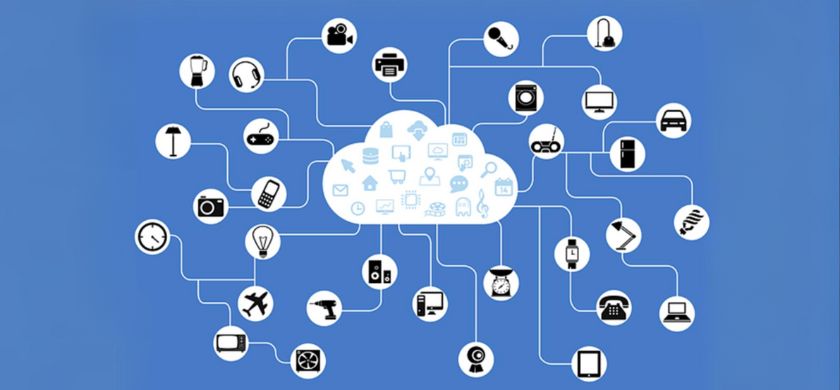
IoT stands for the “internet of things”. To put it plainly, IoT is a system of internet-connected sensors that work together inside of everyday objects to collect and transfer data over a wireless network. Examples of IoT could be the smart bulb in your house that changes colors via the vocal command you give to your Google Home (which would also be considered a byproduct of IoT).

IoT has been around since the 1970s, only then it was referred to as “embedded internet”. Kevin Ashton came up with its now widely accepted name in 1999. Over the years, IoT has infiltrated into the physical world, connecting people to the internet on almost every platform – our smartphones, watches, cars, alarms, refrigerators, thermostats, etc.

It’s easy to see all of the ways in which IoT controls household items, but what about when you set foot outside of your house and into a sports stadium, bowling alley, or other social entertainment venues?

Bowling Alleys

Here’s a real-world example: the Painted Duck defines itself as a “distinguished drinkery, duckpin bowling, and gaming parlour” located in the West Midtown Stockyards of Atlanta, Georgia. It is an immaculate entertainment venue that can hold over 500 individuals at a time.

Underneath all of the glitz and glam of this bowling alley-nightclub-hybrid is a system of IoT networks all interconnected and working together to provide its guests with the highest level of entertainment possible. The Painted Duck uses software called Conqueror Pro. Through this, staff can have instant and easy control over the bowling lanes.

Conqueror Pro also allows the staff the ability to create a check (including the cost for the lane, shoes, and socks) that is transferred over the venue WiFi to Micros. Micros is another software that is used by waitstaff to input food and beverage. The Conqueror Pro bowling check can be picked up in Micros and added to the food and beverage check, making it simple for guests to have all of their expenses in one place. Entertainment WiFi can control the lighting, temperature, and music in the venue.

Small sensors on the actual lanes themselves register the pin-setter control after a ball is rolled, telling the lane which pins to keep up once the lane resets itself. A small scanner camera inside of the mechanism captures a quick picture of the pins and sends that information over to the scoring system, which is then projected on the screen for the guests to see.

IoT in Golf Entertainment Venues

Driving Ranges

With 17 locations all over the US, the Dallas-born TopGolf empire has become a crowd favorite for birthday parties, date nights, and casual get-togethers. While offering an array of bar food and drink in a high-end entertainment venue, TopGolf also gives its customers a different take on the traditional game of golf by integrating IoT into its entertainment venue WiFi.

In normal golf, the player has to physically track where their ball lands, whether it be on the green, in a bunker, or in the dreaded sandpit. TopGolf utilizes giant sensor-packed targets on the field and RFID (Radio Frequency Identification) sensors inside of the golf balls. This allows the player immediate information on how they fared. This beats having to look for the ball- a time-consuming task in traditional golf.

Because of IoT, a game of golf (which could normally take upwards of 6 hours) is reduced to a mere 1 to 2 hours, allowing for a continuous flow of guests in and out of the entertainment venue. More than eight million people visit one of the locations at least once a year, and about 37% of the patrons at TopGolf are non-golfers. TopGolf has been able to successfully use IoT to give its customers a fun and unforgettable experience that they wouldn’t find on just any old golf course.

Interactive Entertainment Venues

While social entertainment venues are not a new concept, the rise in such venues has been fueled by heightened interactivity and integrated technologies. New forms of extended reality (XR) – which include augmented reality (AR) and virtual reality (VR) – have pushed the limits on what social entertainment venues can offer to guests.

Business models like Sandbox VR and Virtual Room are just a couple of examples among many VR-based entertainment venues cropping-up. As a level-up from traditional videogame arcades, these VR arcades are the next generation of indoor experiential entertainment. Patrons can choose from several games and environments, and enjoy a futuristic experience that allows participants to see and physically interact with everyone inside, just like the real world.

While VR technology has a long way to go before breaking its high-cost barrier to entry, it’s expected that VR arcades have tremendous potential to flourish in the years to come. As highlighted by Lisa Caruso in her piece about Social Impact Entertainment (SIE), “awareness of this emerging technology (XR) and how it can work seamlessly with social impact entertainment is a new frontier that is imperative to explore as we have more sophisticated and demanding audiences.”

The Future Outlook on Social Entertainment Venues

In addition to the interactive technologies that facilitate such experiences, advanced IoT like more robust server platforms, such as BlueprintRF’s Dominion Gateway 2, or DG2, will make the next generation of social entertainment venues possible.

By using IoT, we have made it possible to connect to our environment like never before. Utilizing entertainment IoT in venues around the world has helped guests get the most out of their experiences. Guests expect high-performance connectivity from entertainment venue technology. Whether you’re knocking down some pins, practicing your stroke, ordering a hotdog at a sports arena, or simply turning the heat down in your apartment, you are tapping into a system of networks all connected by IoT.

Smarts TVs in Hotel Rooms: How Hotels Can Deliver

Key Integrations & Innovations for Hotel Smart TVs

Smart TVs have become a foundational piece of the modern hotel guest room. Travelers now expect intuitive navigation, instant access to entertainment and the ability to watch their own content with minimal effort from anywhere they stay.

For hotels, delivering this experience requires more than purchasing a smart TV and plugging it into an outlet. Hotel smart TVs demand commercial-grade hardware, secure network design and integrations that support the entire guest journey.

Read on to learn what makes a hotel TV truly “smart,” how modern integrations enhance the experience and what hotels must have in place to power an exceptional in-room entertainment environment.

Why Smart TVs are Essential in Modern Hotels

Smart TVs have evolved into a must-have amenity for several reasons, all rooted in changing consumer expectations. Smart televisions have become a staple in homes and businesses alike. According to research firm Parks Associates, 68% of internet-connected American households now have a smart TV. In turn, guests also expect these smart televisions in their rooms.

The vitality of smart TVs goes beyond guest expectations; smart televisions can elevate multiple aspects of hotel experiences, offering features such as:

  • Familiar, App-Based Experiences: Smart TVs provide easy access to popular apps like Netflix, YouTube, Disney+ and Prime Video without complicated logins.
  • Bring-Your-Own-Content Streaming: Guests want to cast or stream their own shows and playlists quickly, safely and intuitively.
  • Operational Efficiency: Centralized smart TV control reduces room-by-room troubleshooting, maintenance visits, device resets and manual configuration.
  • Branding Opportunities: Hotels can deliver personalized welcome screens, in-room promotions, property information and F&B or spa offers, turning TVs into a gateway for guest engagement.
Hotel Room Smart TVs

What Makes a Hotel TV a Smart TV?

Smart TVs built for hospitality are very different from consumer smart TVs. While the core idea of providing connectivity, apps, casting, and content is the same, hotel execution of smart TVs should be tailored to multi-guest environments and year-round operation.

Next generation hotel smart televisions include features such as:

  • Commercial-Grade Hardware: Hospitality TVs are built for higher durability, continuous 24/7 operation, anti-theft mounting and enhanced warranty support.
  • Hospitality OS and Remote Management: Custom-designed in-room entertainment platforms provide centralized control, branded home screens, remote updates, volume/input limits and hotel mode to prevent tampering.
  • Streaming App Compatibility: Hotel smart TVs support popular apps while ensuring guest data protection, auto-logout safeguards and proper commercial licensing.
  • Casting Capabilities: Guests can securely cast content from their phones without logging in on the TV.
  • PMS & IRE Integrations: Smart TVs connect with property systems to enable personalized greetings, automatic resets, in-room messaging and upsell or service requests.

All of these features combine to provide a truly comprehensive smart guest room experience, all rooted within hotel television access.

How Modern IRE Platforms Supercharge Hotel Smart TVs

Many hotels opt to install generic smart TVs on their property. While powerful on their own, a smart TV’s full potential is unlocked with enterprise-grade In-Room Entertainment (IRE) platforms. These dynamic, comprehensive platforms elevate existing smart TVs with features including:

  • Centralized App & Content Management: IRE platforms keep apps consistent, updated and properly licensed across every room.
  • Enhanced Security & Auto-Logout: Guest data stays protected through temporary authentication, instant checkout-based logout and network isolation.
  • Seamless Casting & Device Pairing: Guests can securely cast content with simple QR-code pairing and no extra app downloads.
  • Customized User Interfaces: Hotels can fully brand TV home screens, menus, video tiles and property information pages.
  • PMS Integrations: IRE systems sync with PMS data to enable personalized greetings, guest-specific settings, automated resets- and upsell opportunities.
  • Consolidated Control for IT Teams: Staff gain a unified dashboard to monitor connections, push updates, diagnose issues and reset devices.

All of these innovations help hoteliers gain new ways to impress visitors, helping to increase guest satisfaction scores and drive future reservations.

Hotel Room Requirements to Support Smart TVs

Hotel Network Requirements to Support Smart TVs

Even when integrated with In-Room Entertainment software, hotel smart televisions fall short without a network that’s designed to support them. Hotels must meet several critical technical requirements to support smart televisions, including:

  • High-Quality WiFi Connectivity: Smart TVs require strong, room-level WiFi to support 4K streaming, casting, and seamless PMS/IRE syncing.
  • Optimized Bandwidth Allocation: Hotels must allocate sufficient bandwidth to handle peak usage, multiple devices and simultaneous high-resolution streams.
  • Network Security & Segmentation: VLAN isolation, secure casting- and encrypted traffic protect guest data and prevent cross-device exposure.
  • Scalability for Future Upgrades: Networks should be designed to handle added apps, higher resolutions, increased device counts and property expansion.

To ensure each of these requirements are met, hotels need to prioritize working with an experienced, reliable provider of hospitality internet connectivity.

Cox Business Hospitality: Your Ideal Partner for Powering Hotel Smart TVs

Whether your goal is to upgrade a single property or standardize across an entire brand portfolio, we provide the expertise and connectivity needed to deliver exceptional in-room entertainment. Our team specializes both in in-room entertainment and guest WiFi, building comprehensive solutions for hotel smart TVs.

Your guests deserve seamless, modern, personalized entertainment. We can help you deliver it. Contact us today to ensure you blow away guest expectations across your property.

What is Hotel WiFi Bandwidth? How Much Your Hotel Needs

Determining Your Hotel’s WiFi Bandwidth Needs, Plus How to Meet Them

Choosing a WiFi network can make or break any business; Ooma found that if sub-standard internet negatively impacts productivity by just 5%, the cost to U.S. small businesses would exceed $80 billion. With so many of their customers leveraging WiFi, hotels are even more susceptible to this trend. How can hotels build networks that both support employee productivity and keep guests satisfied?

The key is bandwidth. Read on to learn what bandwidth is, how it affects WiFi network speed, and the factors your hotel must consider when deciding on a suitable bandwidth.

What is Bandwidth in WiFi?

WiFi bandwidth measures the maximum volume of data that can be transmitted across a network connection over a specific measurement of time — usually measured by megabits per second (Mbps).

One way to think of bandwidth is as a water pipe, with internet data as water going through that pipe. While the size of the pipe does not inherently affect the speed in which water flows through the pipe, the pipe can only allow for so much water to flow through without stopping. The same can be said for network bandwidth; functioning networks should be able to handle data flow up to the amount specified via bandwidth, but will slow down once data flow exceeds that bandwidth.

Is WiFi Bandwidth the Same as WiFi Speed?

No — internet speed refers to the speed in which data travels from the internet to a device connected to a network, while bandwidth refers to the maximum amount of data that can be transferred over a network. Although it can affect network speed when a network exceeds its bandwidth limitations, bandwidth is not a direct measurement of the speed of a network.

For example, a high-bandwidth network can have low speed if the WiFi provider only allows data to be transmitted at a level far lower than network bandwidth. Alternatively, networks with low bandwidth and high data demands may operate at a lower speed due to excessive amounts of data being transferred via a smaller “pipe.” In turn, matching network bandwidth to any given network’s unique needs is essential to maintain satisfactory speed.

How Can I Check The Bandwidth of My WiFi Network?

Even as network speed ebbs and flows, the bandwidth of your WiFi network does not change; instead, what changes is how that bandwidth is being used. You can typically check the bandwidth of your WiFi network by either contacting your provider or checking the plan outline via a service portal.

How network bandwidth is being used is a more dynamic, complicated question, especially for hotel networks. Managing bandwidth across staff, guests, and event attendees can be difficult to balance — often making the difference between soaring network success or catastrophic failure.

hotel wifi bandwidth considerations

Essential WiFi Bandwidth Considerations in Hotels

Before implementing a WiFi network, hotels need to consider several factors to paint a clear picture of their specific bandwidth needs. Here are a few of the most important questions to ask before building a network.

How Large is the Hotel?

Perhaps the most important factor when deciding network bandwidth for a hotel is the property’s size. The larger the hotel, the more hotel guests; the more hotel guests, the more users on your hotel’s network, and the higher bandwidth necessary to support the needs of those users. Larger properties may also encompass amenities that put additional strain on WiFi networks, such as holistic in-room entertainment platforms, guest messaging platforms, or attached convention centers.

Are There Any Barriers to Hotel WiFi Design?

Beyond size, many hotels have physical barriers to implementing successful WiFi networks. WiFi signals are transmitted via radio waves. In turn, WiFi signals can be blocked by high-density areas, plus materials including copper, aluminum, and steel. Areas of hotels facing these issues may require lower bandwidth and more WiFi access points; others without such barriers may require a lower amount of access points, but higher bandwidth on each.

How Will Your Hotel Manage Bandwidth Use?

One notable variable when deciding hotel bandwidth is determining how hotel guests will leverage your network. While some guests may choose to disconnect on their vacations, demographics such as business travelers may remain on hotel networks 24/7. There’s no “one-size-fits-all” network that will work for each guest. Some hotels counter this issue by implementing tiered WiFi plans — putting the power to choose bandwidth in guest hands while increasing supplemental revenue.

Another key way to manage bandwidth is by ensuring only qualified users are on your hotel’s network. Due to their public-facing nature, hotel WiFi networks are subject to an increased risk of cyber- attacks. By implementing holistic hotel cybersecurity measures — including advanced encryption, 24/7 network monitoring, and reliable antivirus programs — hotels can better protect their bandwidth from bad actors.

How to Increase Bandwidth of Hotel WiFi Networks

The only way to increase bandwidth on a WiFi network is through changing the network infrastructure. While implementing tiered plans and limiting outside activity can open up additional bandwidth for users that need it, many hotel WiFi networks are ill-equipped for the actual bandwidth needs of their property — whether due to outdated network infrastructure, increased technological needs, or a bevy of other actors.

If your hotel needs increased bandwidth to support its userbase, consider working with an adaptable, experienced provider of hotel WiFi. When paired with a dynamic team of WiFi experts, hotels trust that their networks will always be prepared for new bandwidth needs. Many installers also provide 24/7 network monitoring — detecting and alerting hotels to potential sources of excessive bandwidth use.

how to check bandwidth of wifi

Cox Business Hospitality Builds Network for Your Specific Hotel Bandwidth Use Cases

We are a dedicated, experienced provider of hotel WiFi. Our team builds networks per the unique requirements of your property — conducting on-site surveys to detect dead zones and determine exactly what bandwidth is needed to support guests and employees. With 24/7 network monitoring and seamless installation, we’re the top choice for efficient, long-term hotel WiFi success. Contact us today to ensure your hotel’s bandwidth needs exceed expectations.

5 Ways Technology is Powering and Changing the Special Events Industry

The events industry is constantly adapting and changing to keep up with the latest trends. Technology has revolutionized the events industry in recent years, making it easier to stream events live on social media, manage stage equipment, collect consumer data, and sell tickets. Read on to discover the five ways technology is working to change the events industry for the better.

More Opportunities for Live Streaming on Social Networks

In the past, one of the most significant issues with live streaming was that the technology wasn’t always reliable. Dropouts and poor video quality were common, which made live streaming more of a hassle than it was worth. However, that is no longer the case, thanks in part to the inception of 5G internet technology. With speeds that can reach 10 times faster than 4G, you can provide high quality live streams with fewer of the technical issues of the past.

Current Technology Allows for More Viewers

Another historical issue with live streaming was that only a limited number of people could view the stream simultaneously — meaning that if you had a large event, only a small portion of your audience could actually tune in and watch it live. Thankfully, this is not as big of an issue for event coordinators, as the number of people who can view a live stream has increased dramatically. Now, venues can reach far more people than before, thanks to the adoption of solutions like the High-Speed Internet Access (HSIA) technology to provide a seamless streaming experience to a large audience.

Technology Allows for Social Media Integration

Combining CBH’s internet speed and social media capabilities, it is possible to integrate live streaming into your social media platforms. Streaming viewers can watch events in real-time and actively participate in the discussion on social media, allowing you to create a more immersive experience for your audience and connect with them on a personal level.

live-streaming special events on social media

Technology Allows Improved Execution and Production of Special Events

A steady stream of recent technological advancements have allowed for drastic changes in the event production collaboration process. Thanks to leaps in communications technologies over the years — including instant messaging, video conferencing, and live drone interactive video — it’s easier than ever for event planners to stay in touch with one another and to cross-coordinate their efforts. What’s more, there are now many software applications specifically designed to help event planners collaborate on everything from budgeting to logistics.

More Sophisticated and Customizable Event Production

Although pyro-technology and laser shows are almost always fun and often impressive, designing and transporting the necessary equipment can be both cumbersome and costly. The advances in event production technologies make it possible to create more sophisticated and customizable events than ever. For example, teams can utilize tools like projection mapping and drones to create stunning visual displays that were previously only possible with physical props and materials. Moreover, new audio technologies make it possible to produce loud, crystal-clear sound without the need for bulky speakers or amplifiers.

Technology Increases Revenue Through Virtual Event Attendance

Many event venue owners and organizers used to be skeptical of investing in technology for their events, and often argued that the return on investment (ROI) was not worth the expense. However, this could not be further from the truth in recent years. Integrating technology into your event can increase revenue and attendance while providing a more memorable and inspiring experience for your guests — below are just a few ways how.

Improved Audience Insights

Technology can help you gain valuable insights into your audience to better tailor your events to their needs and wants. For example, you can use Google Analytics to track which marketing channels drive the most traffic to your event page. You can also use surveys and polls during the event (either online or in-person) to get feedback from attendees on what they liked and didn’t like about the event. All of this information may be incredibly helpful in planning future events that are more likely to appeal to your target audience and generate more revenue.

Increase Merchandise Sales

Technology can aid in increasing monetization opportunities for events by facilitating the sale of merchandise. If you’re hosting a virtual event, consider setting up an online shop where attendees can purchase items like t-shirts, hats, mugs, and even digital products like ebooks or audio recordings of the event. Offering souvenirs is a great way to generate additional revenue while also giving attendees something special to remember.

More Opportunities for Event Revenue Through Digital Signage

In the past, event venues relied on print materials like flyers and posters to promote upcoming events. However, this is no longer the most effective way to reach potential attendees. With digital signage, you can change your event information in real-time — giving potential last minute attendees up-to-date, transparent information and encouraging ticket purchases up to the start of an event. Digital signage is often more eye-catching and engaging than traditional print materials, so your attendees are more likely to remember your event.

Digital signage also has the potential to offer increased interactivity through the use of QR codes, which can easily direct customers to merchandising pages. With their ability to allow customers to learn about products, view and receive exclusive discounts and promotions, and make one-click purchases, QR codes are a simple way to increase profits.

Technology Increases Personalization and Revenue Opportunities Through Data Collection

For every business, data is an essential tool to better understand key elements like revenue sources and customers’ needs — and the events industry is no different. Data can be collected in several ways, including through social media, surveys, live streaming, and check-in apps. This data can then be used to improve the event experience, generate leads, and even close sales. By understanding who your attendees are and what they want, you can curate an event that is better targeted to their needs — and that is more likely to meet your revenue-based goals.

Increased Opportunities for Audience Engagement

When you know more about your attendees, you can engage with them on a more personal level by creating events that speak to their specific interests. For example, if you’re planning an event for millennials or Gen Zers, you might consider using smart technology integration to layer in features like social media participation opportunities, so that attendees can share their experiences with their followers in real-time.

Technology Increases Convenience for Attendees Through Mobile Ticketing

Mobile ticketing is one of the most convenient ways technology has transformed the events industry. Mobile ticketing allows attendees to purchase and access tickets on their smartphones, eliminating the need for paper tickets or will-call lines. Not only is this more convenient for attendees, but it also allows event planners to track ticket sales in real-time and adjust strategies accordingly. Additionally, mobile ticketing can help reduce costs associated with printing and mailing paper tickets, and has the added benefit of being more environmentally friendly by reducing paper waste.

Augmented and Virtual Reality

With the advent of augmented and virtual reality (AR/VR), event planners now have the opportunity to create truly immersive experiences for their attendees. AR/VR can be used for everything from product demonstrations to virtual tours of event venues. This cutting-edge technology has the capacity to take the events industry to new places in the coming years.

Blockchain Technology

Blockchain is one of the newest technologies making its way into the events industry. Blockchain is a distributed ledger system that allows for secure, transparent transactions between two parties. This could potentially be used to track attendee badge scanning, verify accreditations, or manage sponsorships and exhibitor contracts. As blockchain technology continues to evolve, it will likely significantly impact how events are planned and executed.

increase attendee expectations in special events venues

Increase Expectations in Venues

As technology advances, event planners expect their venues to have the infrastructure to support all their needs in addition to a reliable, high-speed internet connection to handle large volumes of data. At the same time, they will expect the venue to provide various technological equipment, such as wayfinding signage, self-service kiosks, and other digital tools such as digital advertising, contactless payments, and admission kiosks to enhance the attendee experience and maximize monetization opportunities for events.

To attract and retain customers, businesses in the events industry must keep up with the latest trends and technologies. Instead of fumbling in the dark and researching each new development separately, venue owners can partner with a technology solution company — such as Hospitality Network — to provide a comprehensive solution for their needs.

Let Cox Business Hospitality Help You

At Cox Business Hospitality, we pride ourselves in our ability to provide the infrastructure necessary to support the needs of various venues, in addition to supplying high speed internet capable of handling high volumes of data.

Our team of experts will work closely with you to understand your specific needs and create a custom solution that meets your budget and requirements. We know that not every venue is the same, which is why we offer flexible and scalable solutions that can be easily tailored to your unique needs.

If you’re ready to take your event venue to the next level, contact Cox Business Hospitality today and let us show you how we can help.

Interactive Trade Show Booth Designs Fueled by IoT Technology

How to Leverage IoT for More Engaging Attendee Experiences in Trade Show Booths

IoT technology is changing how companies do business, providing immense economic value and streamlining operations. Currently, 57% of North American and European businesses use IoT technology, a figure which will likely increase in the coming years. When it comes to booth designs for trade shows, IoT technology can be the key to driving engagement and profits.

Read on to learn four ways IoT technology can enhance booth designs for trade shows.

What is IoT Technology?

Internet of Things (IoT) technology refers to a network of devices that transfer and exchange data between each other using the Internet. IoT devices use software and sensors to gather and distribute information among the network.

Both businesses and private consumers see immense value in IoT technology. Recent data suggests that there are nearly 15 billion unique IoT devices worldwide, a number that is sure to increase in the coming years. IoT technology is in demand due to its ability to streamline operations, facilitate communication, and help improve profit margins. These benefits are especially apparent regarding booth designs for trade shows.

IoT technology is integral to any trade show booth design, as it has the capability to help exhibitors connect with event attendees. There are many potential applications for IoT technology when it comes to modern trade show booth design, but there are several that stand out as particularly effective.

four ways iot technology enables trade show booth design

4 Ways to Leverage IoT Technology in Trade Show Booth Design

When considering how the best trade show booth designs use IoT technology, some strategies stand out more than others. Here are four ways trade show exhibitors can use IoT technology to optimize engagement and impact.

1. Social Media Integration

Social media integration is one of the best trade show booth design ideas. Social media integration incorporates popular platforms — such as Facebook, Instagram, and X, among others — into the booth experience, giving exhibitors the power to interact with attendees in real-time. Exhibitors can display live social media feeds and interact with users worldwide, improving overall engagement with the target audience.

Social media integration provides companies with a direct channel to showcase their products or services to a broader audience, as popular social networks increase brand visibility and connect users who can’t attend the trade show in person. Based on instant feedback, brands can adjust their strategies at a moment’s notice. This connectivity enhances the exhibit’s impact and strengthens the company’s online presence and potential customer base.

2. Live-Streaming Display Screens

The best trade show booth designs, without fail, incorporate live-streaming display screens. Live-streaming display screens allow brands to showcase live demonstrations, presentations, promotional material, and even product launches in real time. These screens capture the attention of attendees and contribute to a more immersive booth experience. Best of all, trade show exhibitors can change the content on each screen at a moment’s notice, keeping their display’s messaging relevant and responsive to audience feedback.

Live-streaming display screens also allow companies to reach potential customers beyond the trade show itself. Brands can broadcast their activities to online audiences, maximizing exposure and engagement. In this sense, live-streaming display screens, as a part of a modern trade show booth design, can contribute to a larger marketing strategy.

Take Advantage of IoT Technology for Trade Show Booth Design with Hospitality Network

3. Integration of Virtual Technologies (AR & VR)

Integrating virtual technologies such as Augmented Reality (AR) and Virtual Reality (VR) in booth designs for trade shows is an often overlooked, yet truly effective, method that brands can use to drive engagement and results. AR displays overlay digital information onto a physical environment, enhancing product displays with interactive elements or providing additional information. VR, on the other hand, immerses attendees in a virtual experience using dedicated hardware, enabling them to explore products or environments like hotel rooms in a simulated but highly realistic setting.

These technologies provide a unique way for exhibitors to showcase products or services. Virtual demonstrations, walkthroughs, and simulations draw customers in and facilitate a greater degree of engagement than more conventional methods. However, digital audiences can also engage with virtual demonstrations, expanding the brand’s reach beyond the physical trade show.

4. Digital Touchpoints to Collect Trade Show Attendee Information

Touchpoints are interactive kiosks and mobile devices that allow trade show attendees to provide their contact information, personal preferences, and general interests. Brands can use this crowdsourced data to personalize interactions, recommending relevant content for specific types of customers to improve engagement and impact. It’s a seamless way to provide a more tailored experience for trade show guests.

Companies that use digital touchpoints to collect attendee information can profit as a result. By capturing attendee data through touchpoints, vendors gain more than just the ability to tailor marketing for specific customers. They can provide unique product demonstrations and other forms of personalized content, increasing the likelihood of generating successful leads. Vendors can also use data gathered from touchpoints to conduct post-event follow-ups and surveys, all part of a broader strategy to build lasting customer relationships.

High Speed Internet is Critical for Trade Show Booth Design IoT Integration

Implementing IoT technology for trade show booths can help gather valuable data, engage with your audience, and showcase your products through live streams, social media interaction, and so much more. But IoT technology also demands a lot of bandwidth and security, requiring reliable and high-quality convention center WiFi and smart technology solutions.

We have extensive experience in supporting IoT applications for trade show exhibitors, having installed and managed the WiFi network for the Las Vegas Convention Center, one of the largest and most advanced trade show venues in the world. We can help you design and implement a custom IoT solution that meets your venue’s needs and budget. Take the first step and request a consultation today.

Big Data, Big Results: 7 Strategies to Help Overcome Hotel Challenges

How Big Data Analytics Can Transform Your Hotel’s Operations

“Big data” has become a big phrase across industries with growing adoption and reported improvements in operational efficiency across industries. According to Statista, 46% of organizations reported using big data analytics in their market research worldwide as of 2021, with this percentage increasing steadily since 2014.

Hotels are part of this growing trend; in today’s dynamic industry landscape, hospitality professionals are increasingly leveraging big data to remain competitive. We’re here with a full primer — read on to learn about the basics of big data in hotels, alongside 7 uses of the technology that can help optimize your operations.

What is Big Data?

Big data refers to massive, multi-faceted data sets that continue to grow exponentially over time — making them too large and complex to be analyzed using traditional data processing tools such as spreadsheets. By complex, we don’t mean the data-points themselves are complex; many sets of big data are composed of data as simple as “what credit card was used on a purchase.” Instead, it’s the volume, variety, and velocity of data that define big data sets.

In fact, almost anything can become a set of big data with the appropriate volume, variety, and velocity of data-points, including:

  • Customer data, such as what people buy, where they buy it from, and how they receive products.
  • Transportation data, such as fuel use, traffic history, and crash analysis.
  • Inventory data, such as use of disposables, stock variability, and predictive maintenance.
  • Reputation data, such as online review scores, number of reviews, and social media like to dislike ratios.
  • Marketing data, such as engagement rates, response rates, and conversion rates.

As industries continue to incorporate IoT technology and integrated systems within their operations, businesses are gaining access to more and more sets of big data — and hotels are no exception.

What is Big Data for Hotels?

In hotels, big data refers to the immense, complex data sets generated by varied pieces of hospitality technology. There are countless sources of big data within hotels, some of the most common being:

  • Reservation systems, tracking booking times, popular seasons, and consumer habits.
  • Social media platforms, tracking who likes what types of content, on which channels, when.
  • Websites, tracking what pages, blogs, and content spur the most engagement and conversions into bookings.
  • Loyalty programs, tracking who signs up, how often guests use key features, and what features guests most often leverage.
  • WiFi portals, tracking which tiers get the most use and what users use WiFi for once logged in.
  • Guest feedback surveys, tracking which hotel amenities most often get highlighted as positive or negative assets.

While opportunities for tracking big data in hotels are increasing, hotels will find the most success when they harness big data for specific purposes.

7 Essential Ways to Use Big Data in Hotels

These are seven ways big data analysis can help transform hotel operations — from enhancing customer satisfaction to optimizing internal processes.

1) Improved Customer Experiences

Big data analysis can contribute to improvements in customer experiences across a hotel’s operations. Historical guest data — including previous requests to the front desk, feedback from guest surveys, and most used amenities — shine a direct spotlight on what a hotel does well for niche demographics of guests. In turn, hotels can use big data to help predict what each customer wants, addressing potential pain points before they reach guests.

2) Personalized Loyalty Messaging

Personalized guest messaging is an important aspect of hospitality, and big data can play a key role in optimizing loyalty messaging. Big data can encompass diverse aspects of previous customer experiences, including:

  • WiFi network preferences.
  • Use of on-site amenities.
  • Length and timing of stay.
  • Accommodations for kids or pets.
  • Dietary restrictions.

Leveraging these preferences and more, hotels can deliver personalized, catered loyalty promotions to their customers. In turn, guests feel more valuable and hotels can increase their revenue via more effective promotions.

how can a hotel use big data analytics

3) Online Reputation Management

Just as customer reviews can bolster customer experiences and loyalty messaging, so too can they help manage reputations online. Big data analysis can help identify common areas of guest concern from reviews and social media comments. Hotels can then address these issues and communicate improvements to guests.

4) Targeted Marketing

Custom-tailored messaging also supports targeted marketing for new customers, offering hotels the potential for improved return on investment. Hotels can analyze which demographics engage most with each avenue for marketing.

Then, hotels can match the messaging of each avenue with the services most aligned with each platform’s most relevant demographics. Combining effective marketing with targeted promotions can make new guests feel like a hotel is just for them — contributing to smarter strategies that drive bookings.

5) Social Media Marketing

As social media networks continue to grow as major marketing platforms for hotels, big data can help streamline how, when, and where hotels are posting. Data-sets have potential to reveal which types of posts and promotions garner the most engagement across platforms including Instagram, Facebook, LinkedIn, and more. By analyzing data from their own and their competitors’ accounts, hotels can refine content strategies and optimize posting times to increase engagement.

6) Revenue Management

Online booking platforms have become the overwhelming means for guests to schedule their stays in hotels; in a 2023 study from h2c surveying 84 unique hotel chains, 76% of respondents claimed use of an online CRM system. With this prevalence of online booking systems and increasingly monetized connected guest experiences, hotel revenue management has become inundated with big data. Dynamic pricing models can utilize big data, incorporating historical changes in demand based on:

  • Seasons
  • Holidays
  • Local events

Hotels can also use data to detect future inventory needs, alongside predictive maintenance for hotel technology.

best ways to use big data analytics in the hotel industry

7) Competition Scouting

Using big data, hotels can compare diverse attributes of their venue with other competitors, adaptable per location parameters. Points of comparison can include:

  • Pricing of rooms, amenities, restaurants, and more.
  • Amenities available, such as spas, pools, and golf courses.
  • Marketing avenues, including social media, websites, and email campaigns.
  • Target demographics, analyzed through marketing, promotions, and typical events.

By analyzing these data-points, hotels can better understand their own and their competitors’ niches, informing strategies to enhance their competitive position.

Install Dynamic Hotel Internet Connectivity for Reliable Big Data Integration

Whether using these seven strategies or countless others, big data can support significant improvements in the hospitality industry. Collecting big data, however, is entirely reliant on implementing responsive internet connectivity; without consistent tracking and integration, big data simply floats into the void.

We offer hotel WiFi solutions for guests and staff that can support big data collection and, in so doing, can help enhance guest experiences. Our expert team designs networks tailored to the needs of each unique facility.

Request a consultation and learn how our solutions can support your big data initiatives alongside other smart hotel solutions.

6 Key IoT Solutions & Use Cases in the Hotel Industry

IoT solutions are the future of the hospitality industry. Skillful implementation of this rising technology can both increase guest satisfaction and improve the workflows of your staff. How, then, can hotels implement IoT technology? What, exactly, is IoT technology within the hospitality industry?

Read on to learn about what falls under the umbrella of hotel IoT solutions, why this rising technology is so important, and six key solutions hotels are already implementing within their property.

What are Hotel IoT Solutions?

Hotel IoT solutions refer to the wide range of hospitality innovations using IoT — or internet of things — technology. Internet of Things encapsulates the entire network of physical objects (“things”) designed to connect other devices and systems to the internet. In turn, hotel IoT solutions include any number of solutions enabled by IoT devices.

The Importance of Hotel IoT Solutions

Hotel IoT solutions are already dominating the hospitality industry, and will only continue to grow in importance. According to Research and Markets, the global smart hospitality market is expected to grow from $14.3 billion in 2022 to $18.31 billion in 2023. As the market expands, hoteliers need to ensure their properties remain on the cutting-edge.

Beyond keeping up with other industry-leaders, hotel IoT solutions also offer immense benefits for hotel guests. Technology can both drive guest retention and promote future bookings, while stronger internet connection at large can enhance the guest experience in numerous ways. For both meeting industry standards and enhancing guest experiences, hotel IoT solutions are essential.

6 Key IoT Solutions for Hotel Guest Rooms and Beyond

There are endless opportunities for hotels to implement IoT technology, from front desk services to larger facilities. Here are a few specific IoT use cases found across hotels.

Smart Locks & Keyless Entry

Amidst the bustle of travel, guests can easily lose their metal or card-based keys for traditional room locks. In turn, front-desk staff need to scramble for extras — wasting staff time and hotel resources, while increasing hotel waste and costs. Worse yet, guests may lose their keys after hours, causing additional hassle for guests and staff alike.

Installing smart locks with keyless entry ensures that guests are never without room entry. Lock systems integrated with mobile entry allow guests to enter rooms with their phones, far harder to lose than a smaller keycard. Some smart locks increase accessibility even further by offering a passcode-triggered keypad, leveraging IoT technology to reset the code for each guest and requiring no physical device whatsoever to enter.

Contactless Check-In

Like smart locks, contactless check-in offers a technology-driven way to streamline guest experiences and reduce manual processes for front-desk staff. Rather than waiting in long lines, guests can check-in to their room via an email or text link. For rooms with mobile or keyless entry, check-in becomes as simple as click.

Increased Smart Room Sustainability

Guest room utilities impose a massive cost for hotels. According to Energy Star, the average American hotel room spends $2,196 per available room each year on energy — with a large chunk of that spend coming from wasted temperature and lighting costs when guests leave the room and forget to switch utilities off. Beyond expenses, unnecessary utilities also lower sustainability within properties, wasting resources and potentially dissuading guests looking for more environmentally-friendly options.

IoT-driven smart rooms cut down on energy costs and increase sustainability by shutting down utilities when guests aren’t using them. Hotels can install movement and temperature sensors that automatically turn off when detecting a lack of use. Additionally, via IoT integration, hotels can track exactly how much energy they save.

Streamlined Maintenance Processes

Maintenance in hotels tends to be archaic, manual, and inefficient. Traditional maintenance requests are often reported over the phone or in-person, rather than through a more structured system. Additionally, most hotel maintenance is reactive not proactive; issues are solved after they have impacted guests.

Automated maintenance helps hotels fix maintenance needs before they diminish guest experiences. Online systems can track when toilets, showers, temperature units, and more were last treated, and send updates to staff when it’s time for a refresh. Additionally, staff can use sensor devices to check various maintenance needs and send alerts as needed.

iot solutions for hotel guest rooms

Guest Engagement Via Personal Devices

From smartphones to laptops, nearly every hotel guest carries some sort of IoT-enabled personal device throughout their stay. Skillful use of these connected personal devices can encourage use of hotel amenities & services by both passive and active means.

Carefully constructed hotel social media campaigns can entice guests to explore your property and take full advantage of your offerings. Marketing coordinators can implement amenity giveaways, hashtag campaigns, and photo opportunities to encourage guest interaction with both your account and your property.

Hotels can also directly interact with guests via push notifications sent across touchpoints in their experience. Booking reminders, check-in options, special offers, surveys — all can be sent straight to guest devices, keeping them connected throughout their stay on your property.

Overall Stronger WiFi Network Access

Although IoT devices require reliable internet access to function, they can also greatly help hotels improve the strength of their WiFi. Devices can help hotels track signal strength throughout their venue, detecting dead-spots and areas for improvement. IoT technology can also support hotel network security, protecting the information of hotel guests and staff.

hotel front desk IoT solutions

Harness Reliable Hospitality Internet

Implementing IoT solutions within your property streamlines operations for hotel staff and encourages guests to take advantage of your amenities to the fullest. For these solutions to consistently function, however, hotels need to ensure they have reliable internet access, supported by powerful network infrastructure.

We are a trusted provider of WiFi solutions to hospitality businesses across the spectrum — including hotels of all sizes. Request a consultation today and prepare your property for the next wave of hospitality IoT technology.

Increase Trade Show Vendor Attendance Using Reliable Event WiFi

Creating a successful trade show takes time, effort, and planning. One of the most critical aspects of putting on a great show is having quality vendor turnout. However, getting vendors to attend your event can be difficult if you are not equipped with all the necessary amenities they have come to expect, like HSIA, access points, etc. One way to ensure that vendors will want to attend your event is by offering reliable event WiFi. This article discusses why reliable WiFi is essential for trade shows and how you can use it to increase vendor turnout, thereby resulting in greater revenue opportunities.

Common Trade Show Problems

Trade shows are filled with new people, products, and opportunities. However, they can also be chaotic environments with many moving parts. It is not uncommon for trade show organizers to run into problems with a lack of vendor turnout due to technical issues. The three most common technical problems that can occur during these events are:

Problem #1: Lack of Internet Connectivity

One of the most common—and potentially catastrophic—problems at a trade show is a lack of Internet connectivity. If your venue does not have reliable, high-speed internet, exhibitors cannot connect to their e-commerce platforms, process credit card transactions, or even send and receive emails. It can lead to lost sales, frustrated exhibitors, and angry customers.

Problem #2: Slow or Unstable WiFi Signal

Another common problem is a slow or unstable WiFi signal caused by too many people trying to connect to the same network, interference from other devices on the show floor, or simply an overloaded network. As a result, exhibitors and attendees alike may have difficulty connecting to the Internet, broadcasting presentation materials, live streaming, or accessing essential files stored in the cloud.

Problem #3: Difficulty Connecting to Conference Networks

If your venue hosts conferences or other events that require attendees to connect to an internal network, you may occasionally run into problems with people being unable to connect or losing their connection intermittently. This can be caused by outdated network hardware, incorrect network settings, or simply too many people trying to connect simultaneously.

the importance of reliable wifi networks for trade shows

Why Is Reliable WiFi Important for Trade Shows?

At its core, a trade show connects people with products and services. Here are some reasons why providing WiFi is vital for trade show vendors.

Vendors Need Internet Access to Exhibit Products and Services

To showcase their products and services properly, trade show vendors need to be able to connect to the Internet. The trade show WiFi system allows them to load website pages, showcase digital products, stream video content, post to social media, and connect with their company data. Without Internet access, many of the products and services that vendors want to exhibit can’t be shown properly.

Vendors Require WiFi Access to Sync with Their Smart Technology Systems

An increasing number of trade shows are incorporating smart technology features into their exhibits. For example, many exhibits now use tablets or large touchscreen displays to interact with visitors. For these devices to work properly, they need to be connected to the Internet via WiFi. Otherwise, they’ll be expensive paperweights.

WiFi Enables Vendors to Connect with Customers and Other Exhibitors

WiFi also allows vendors to connect with customers and exhibitors through email, social media, chat apps, and VR live experience platforms. This connection is required to enable vendors to build relationships with potential customers that can continue long after the trade show is over.

WiFi Allows Online Viewers to Participate Live

Finally, trade show Internet allows attendees to live stream and share their experience with viewers who can’t physically be at the venue. This live streaming capability gives trade shows an added layer of publicity and can help attract more attendees in future years.

How Can WiFi Help Make Your Convention Facility More Accommodating?

WiFi is the backbone of a more connected and smarter convention center. With the right system in place, WiFi can help improve the overall quality of your services.

Reduced Wait Times

One of the most frustrating things for guests is waiting in line to use a service. By offering WiFi-enabled kiosk systems, you can drastically reduce the time your guests have to wait in line by allowing them to check in.

Kiosks are quickly becoming commonplace in large venues as they provide a quick and easy way for guests to check in, get directions, or find information about an event. Not only will this reduce wait times for your guests, but it will also free up staff members to focus on other tasks to ensure the best trade show experience possible.

Improved Customer Service

Another benefit of offering WiFi is that it can help improve customer service. By allowing guests to use their own devices to access information or connect with staff members, they can receive help much easier and efficiently.

In addition, some WiFi systems come with features like location tracking that can be used to provide personalized recommendations or targeted ads. For example, if a guest is trying hard to find a specific product or service booth, you could use location tracking to send them a notification about where they can find it. This targeted content can benefit guests and improve their experience at your trade show.

WiFi Can Provide Convention Venues Monetization Opportunities

Although WiFi is an essential service your guests will expect, there are many ways in which leveraging your network effectively can help generate positive ROI.

Partnership with Local Businesses

Convention venues can reach out to local businesses to see if they are interested in sponsoring the venue’s WiFi. It is a wonderful opportunity for companies to get exposure and attract new customers. In addition, businesses may also be interested in advertising on the venue’s website or social media platforms. By partnering with local businesses, venues can generate additional revenue and provide a service that benefits both parties.

Tracking Attendees’ Performance for Future Marketing Strategies

Tracking attendees’ performance is an excellent way for venues to see what areas of the event space need improvement and what areas are doing well. This data can also be used to improve the venue layout and services offered. In addition, this data can provide customized marketing experiences for future visitors.

Develop Better Strategies to Attract Future Vendors

By understanding how attendees use the venue’s WiFi, venues can develop better marketing strategies for attracting future vendors. This data can analyze which venue areas are most popular and which times of day are busiest. This information is valuable for vendors who want to ensure that as many people see their products or services as possible.

increase trade show attendance with wifi coverage

How to Increase Attendance at Trade Shows by Using Better WiFi Coverage

Offering reliable and fast WiFi coverage is the best attraction any convention venue can offer. So how can you make sure your venue has optimal coverage? There are a few things you can do to make sure your trade show has the best WiFi coverage:

Perform a WiFi Site Survey

The first step in improving WiFi coverage is having a WiFi specialist review your property and perform a site survey. This will help you identify weak signal areas and pinpoint where to make changes. It will also help determine how many access points are needed to cover the entire space. Hiring a professional company to conduct a site survey will help ensure that you receive an accurate analysis of your venue space. They will also provide recommendations on how to better optimize the WiFi signal throughout the property.

Use Enterprise-Grade Equipment Designed for Large Facilities

When it comes to WiFi, not all equipment is created equal. You’ll want to ensure you’re using enterprise-grade equipment designed for large venues so that your signal is strong and stable. High-quality access points and routers are necessary to provide a reliable trade show WiFi system.

Work with a Professional WiFi Company

Another great way to improve your WiFi coverage is to work with a professional company specializing in setting up WiFi for venues like yours. They’ll be able to advise you on the best way to set up your network and make sure everything is working correctly. They will also provide on-site tech support during events to ensure your attendees have a great experience.

Hospitality Network As Your Trusted Trade Show WiFi Partner

If you’re looking for a professional company to help you with your WiFi needs, contact the experts at Hospitality Network. With over 40 years of experience providing network technology solutions to hospitality venues, we specialize in providing reliable and fast WiFi for convention centers, hotels, and other large venues. We offer a variety of services, including:

  • Increased Bandwidth & High-Speed Convention Center WiFi
  • Advanced Convention Services & Property-Specific Guest Services
  • WiFi network design, installation, and management
  • Professional sales staffing
  • On-site tech support
  • Marketing enablement and support

We understand that every trade show is different, which is why we offer customized solutions to fit your specific needs. We’ll work with you to determine the best way to set up your network and make sure everything is running smoothly.

Contact us today to learn more about how we can help you provide an exceptional WiFi experience for your next event. We’ll be happy to answer any questions you have and provide a free quote for our services.

High Capacity WiFi 101: A Guide for the Hospitality Industry

The hospitality industry is changing; in an increasingly connected world, the vast majority of hospitality guests expect reliable, efficient access to the Internet throughout your property. With sprawling venues jam packed with customers, networks that can handle such volume are essential. Enter high capacity WiFi; learn the ins and outs of this technology and how it can benefit your specific hospitality business.

High Capacity WiFi 101: What is High Capacity WiFi?

High capacity WiFi, also known as “high-density WiFi,” refers to a WiFi network built to supply accessible, reliable internet to a large number of devices in a given space. These networks can support anywhere from hundreds to thousands of wireless clients at once — all while maintaining a responsive, consistent network.

The installation of high capacity WiFi consists of careful planning, thoughtful placement of access points, and leveraging the appropriate hardware. This starts with determining how many users will be using your network, and what they will be using the network for.

For example, 600 users streaming live video will require a very different output compared to 300 users who are only browsing the Internet. WiFi throughput required is measured in bits per second, whether kilobits (kbps), megabits (mbps), or even gigabits (gbps). Additional considerations should be taken for what devices will be used; smartphones, tablets, and laptops all have different needs.

How are High Capacity WiFi Routers Different From Normal WiFi Routers?

Much like how high capacity WiFi networks are built to supply WiFi to a large number of devices, high capacity WiFi routers are routers specifically built to support higher capacity WiFi networks. Oftentimes, however, one router alone is not enough to carry an entire high capacity WiFi network.

Instead, high capacity WiFi networks leverage several routers and access points across a venue — carefully planning network access to sustain reliable internet. Different routers with alternate needs may be used for guests, employees, and potential exhibitors. Access points, meanwhile, are wireless network devices that extend coverage of existing networks‚ servicing as connected between and to routers. Both routers and access points require intentional placement to maximize efficiency, noting potential dead-spots in walls and higher volume areas of a venue.

why high capacity access points essential hospitality businesses

Why High Capacity WiFi Access Points are Essential for Hospitality Businesses

High capacity internet access is absolutely essential for hospitality businesses. From stadiums to hotels, nearly every business requires a high capacity network to satisfy guests and sustain internet access. Here are a few specific examples, plus the unique internet concerns of each.

High Capacity WiFi for Hotels

Depending on the size of your hotel, internet networks may be servicing anywhere from dozens to thousands of guests, and that’s before hosting potential events with guests that may or may not be staying on property. In turn, high capacity WiFi is an essential consideration for hotels.

Specific concerns hotels need to address when installing high capacity WiFi include property size, wall thickness & composition, higher-density areas (including lobbies and offices), and also seasonal concerns about higher volume months of the year. Whatever the size and needs of your venue, leveraging a trusted vendor of managed WiFi is essential to ensuring your network works.

High Capacity WiFi for Sports Stadiums

Amidst the sweeping highs and lows of a game, fans still want to stay connected during a game. During time-outs and game breaks, hundreds to thousands of fans often check their devices at the same time; in a study from 2022, researchers found the majority of stadium visitors stay connected during their experience. In these moments, high capacity WiFi is key to supporting internet access for all fans.

For sports stadiums, high capacity WiFi installation has to consider stadium size & security needs, alongside what other stadium features leverage internet access (including POS systems and interactive stadium jumbotrons).

High Capacity WiFi for Convention Centers

Convention centers host professionals conducting important business and industry-leading speakers. With high-stakes conversations, thousands of devices, and a bevy of presentations, convention centers need to leverage powerful, consistently reliable high capacity networks.

For installation within convention centers, high capacity networks must consider typical amounts of attendees, typical numbers of vendors, and capabilities featured within the convention center (including potential for conference webcasting and other convention center industry trends).

High Capacity WiFi for Event Venues

From rocking live concerts to raucous stand-up performance, special event venues cater towards diverse event needs. In turn, these venues need a powerful network capable of withstanding high capacity crowds with differing demographics, wants, and needs.

Hospitality Network installs capable high capacity networks for special event venues, capable of providing internet to all events without re-installation. For network installation, special events venues generally need to consider overall venue size and technological needs of typical events hosted there (including projection needs, alongside potential interactive events).

high capacity hospitality wifi solutions

Leverage High Capacity Hospitality WiFi Solutions With Cox Business Hospitality

Whatever the hospitality business, high capacity WiFi installation is essential to internet access for venue guests. With the need to balance access point installation with network power, high capacity WiFi installation should be trusted to the experts.

CBH has diverse network installation experience from across the hospitality industry, including stadiums, hotels, convention centers, and events venues. Request a consultation today and discover how we can support high capacity WiFi custom-tailored to your venue.

Ready to Transform Your Hospitality Venue?

Get a Consultation with one of our Hospitality Technology Experts!

This field is for validation purposes and should be left unchanged.
Full Name(Required)
Choose Your Venue / Interest Type: