The Benefits of Hosting Hybrid Conference Events for Convention Centers

How Venues are Adapting for Hybrid Conferences

Hybrid conference events are the future of conference centers. According to Statista, 57.7% of companies surveyed expected to increase their budget for online events in 2021. Additionally, in 2022, Markletic found that 71% of organizations with 5000 or more employees had hybrid events in their portfolio. With a massive wave of acceptance across industries, the importance of incorporating hybrid technology into conference centers is clear.

How, then, can conference centers leverage hybrid events within their programming? This comprehensive guide has everything you need to know, including a definition of hybrid conferences, benefits, and best practices.

What are Hybrid Conferences?

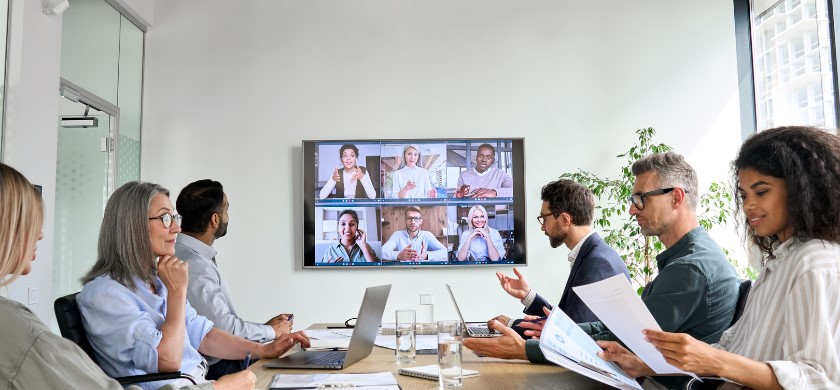
A hybrid conference refers to any conference that includes both in-person and remote attendees through the incorporation of IoT technology. They are a merger of in-person events and virtual-only events, combining the best features of both to achieve a holistic, mixed experience — hence the “hybrid” descriptor.

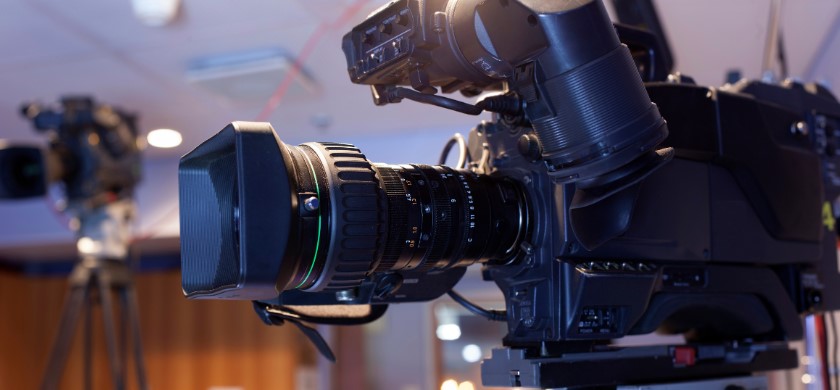
To achieve a hybrid conference, organizers need to harness a potent mix of IoT technology. These may include a dedicated hybrid event platform, appropriate cameras & audio equipment for speakers, and reliable convention center internet connectivity to ensure stable access for virtual attendees.
what are hybrid conferences and hybrid meetings

Benefits of Hybrid Events for Conference Centers

In an increasingly connected world, hybrid events offer accessible, intuitive ways for conference centers to extend their reach and increase their business. Here are a few of the specific benefits of hybrid events for conference centers.

With Hospitality Network HSIAWithout Hospitality Network HSIA
Expanded EngagementAllow for conference communication & networking between attendees hundreds of miles away.Lower Industry ImpactEliminate key virtual networking opportunities and chances for greater industry engagement.
Broader Worldwide Reach Seamlessly connect professionals across the globe throughout conference speakers & meetings.Restricted Audiences Limit the impact of conference speakers & events to a local (rather than global) scale.
Greater Event Anticipation Raise attendance numbers and promote sharable, low-risk online conference sign-ups.Reduced Participation Restrict maximum attendance numbers and minimize overall number of sign-ups.
Easier Attendee Follow-Up Send immediate survey CTAs through hybrid platforms & entice in-person attendees with access to filmed content.Diminished Feedback Insights Collect less long-term and short-term information about attendee experiences.

Broader Worldwide Reach

Conference organizers go through painstaking measures to deliver the best event possible for attendees. From industry-leading speakers to highly beneficial networking events, attendees leave conferences with increased knowledge and valuable new connections. Unfortunately, due to the physical proximity of conference centers, the reach of in-person events is inherently limited.

Through hybrid events, the reach of conference centers becomes limitless. Networking, speakers, presentations — all become accessible worldwide with hybrid events. With expanded reach, a conference overcomes geographic limitations and expands brand power, potentially leading to more diverse in-person conference attendance down the line.

Expanded Engagement

Alongside broader world reach comes expanded event engagement at large. Modern IoT technology allows organizers to give real-time event updates on dazzling event screens. For hybrid conferences, these screens can even further connect in-person and online attendees.

Organizers can send out real-time surveys about industry topics to all hybrid event attendees for a comprehensive, diverse data-set. Screens can also show highlights from both online and in-person sides of the conference, and allow for communication & calls between attendees hundreds of miles away.

Greater Event Anticipation

With hybrid events, organizers can greatly increase engagement & anticipation during pre-event roll-outs. Online sign-ups for hybrid conferences are sharable and low risk for attendees, spurring greater attendance numbers to further promote high sign-ups conference marketing. Additionally, with an inherently online component, attendees may feel more inclined to interact with virtual posts and promotions at large.

Easier Attendee Follow-Up

Conference attendee follow-up is key to improving future events; surveys can give organizers valuable feedback on speakers, event organization, and overall event experience. Due to the frequent need for travel during in-person conferences, however, it can be difficult to track down guests for feedback post-conference.

Hybrid conferences offer extensive new ways to reach attendees post conference — for those that attended both in-person and virtually. Organizers can reach virtual attendees as soon as a conference finishes by giving immediate survey CTAs through hybrid conference platforms. Meanwhile, organizers can entice in-person attendees by offering free access to filmed and online conference content as soon as they fill out a survey.
best practices for hosting hybrid events

How do Hybrid Events Work? Best Practices for Hosting

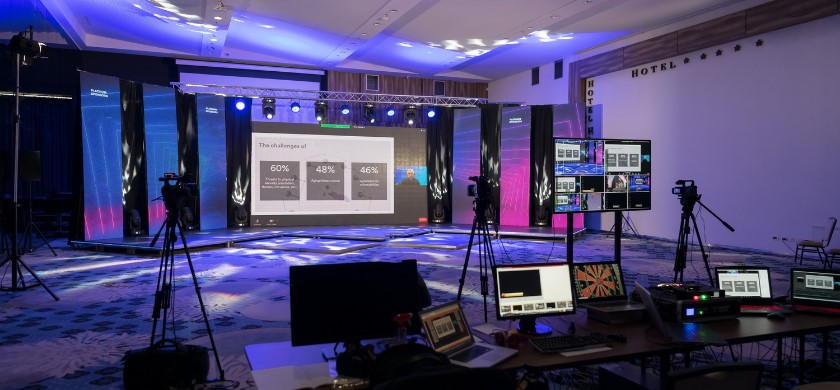
Hybrid events work by combining engaging in-person events with IoT technology specifically designed for hybrid events. When hosting a hybrid event, it’s essential to skillfully leverage this technology in order to satisfy all conference attendees. Some of the most important pieces of technology for hybrid events include hybrid conference platforms, webcasting equipment, and reliable internet access.

Dedicated Hybrid Conference Platforms

To successfully launch a hybrid event, organizers need to ensure intuitive event access to all attendees, regardless of how they’re attending. The best way to do this is through a dedicated hybrid conference platform.

Hybrid conference platforms offer a holistic means to integrate all attendees into one unified event population. These platforms include intuitive chat sections for interaction during presentations, online event registration, personalized agendas, engagement features such as polls & word clouds, and more. To streamline your hybrid event, leveraging a platform is key.

High-Quality Webcasting Integration

Most hybrid platforms will offer a means to stream, or “webcast” conference presentations and speakers. In order to provide a high-quality stream, however, conference centers need appropriate, high-quality video & audio equipment.

These may include cameras that can stream in 4K (4,000 x 2,000 resolution), lavalier microphones directly pinned to speaker clothing, or even iPhone cameras depending on an event’s needs & budget. For a more complete guide to webcasting, check out our blog on the topic.

Reliable, High-Bandwidth Internet Access

Whatever equipment or platform you choose to support your hybrid conference, the most essential technology to tie it all together is a high-bandwidth, reliable conference network solution.

Hybrid events need strong internet access twofold; firstly to ensure all in-person attendees can consistently access internet-enabled activities, and secondly to ensure there are no gaps or interruptions for virtual attendees. Either way, hiring a trusted convention center WiFi provider to install a network at your venue is essential.

Hybrid Conference Events & IoT Technology

Hybrid conference events offer substantial benefits for organizers, attendees, and conference centers alike. To successfully host a hybrid event, conference centers need the appropriate technology — altogether backed by reliable internet connectivity.

We offer powerful internet network installation for businesses across the hospitality industry, including conference centers. Our team works hands-on with your team to pinpoint the best plan for installation at your venue. Request a consultation today and start taking the steps to support hybrid events.

How Hybrid Conferences Benefit Convention Centers Infographic (Free Download)

Hybrid Conference Benefits Convention Centers Infographic

What Are Mobile Tickets? Upgrading Stadium Ticketing

Mobile tickets are rapidly becoming the future of stadium ticketing. Research by the Market Research Future (MRFR) predicts that mobile ticketing will increase to a market of 7.2 billion USD by 2030, a 17.7% compound annual growth rate from 2020-2030. As the market continues to grow, stadium-owners must ask themselves — are mobile tickets worth the transition?

The answer is a resounding yes, and we’re here to help. Learn about what mobile tickets are, the numerous benefits of the technology, and how to implement mobile ticketing in your stadium.

What are Mobile Tickets? The Rise of Mobile Ticket Apps

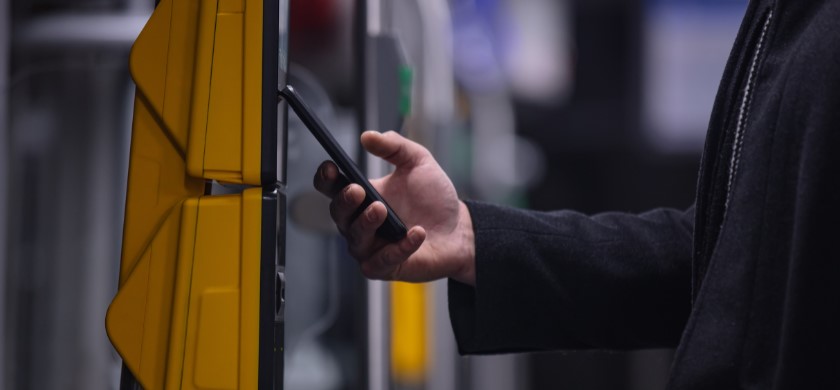
Mobile tickets refer to virtual tickets — ordered, paid for, distributed, and validated for stadium attendees via online or mobile devices. To handle these ticket services, attendees typically download mobile ticketing apps, specifically designed to handle all mobile ticketing services. From there, guests can present tickets to scan directly through the app or by downloading tickets to a mobile wallet.

Mobile-ticketing apps for stadium attendees are often directly tied to the platform they used to purchase their tickets in the first place. For stadium attendees, these may include Ticketmaster, SeatGeek, or StubHub. From these apps, fans can log-in to their accounts, access tickets, and present them as they choose.

Mobile ticketing is rapidly dominating the stadium industry; in 2021, the NFL mandated digital only tickets in all of their stadiums. As industry-leaders continue to champion the technology, the need to implement for all stadiums will continue to grow.

benefits of mobile ticketing technology

Benefits of Mobile Ticketing Technology

Mobile ticketing technology offers immense benefits for all parties involved at stadiums — including employees, owners, and attendees alike. Here are just a few of the diverse benefits of mobile ticketing technology for stadiums.

Greater Convenience for Attendees

Physical tickets add several layers of obstruction to stadium entry. Attendees need to print their tickets at home, or alternatively stop & wait at will-call before they enter your venue. Additionally, attendees need to keep tickets on their person until they reach their seats, navigating through busy stadiums without losing a rather flimsy means of entry.

Mobile tickets consolidate this process, entirely streamlining ticket processes for guests. Gaining access to tickets is as simple as downloading an app, with the potential added step of downloading the ticket natively. Meanwhile, attendees will be able to present their ticket wherever necessary throughout the stadium, as long as they have their phone.

Faster Stadium Entry

Thanks to a more consolidated process, mobile tickets also allow for easier stadium entry. Equipping staff with scanners, entrance for each attendees takes a matter of seconds; simply scan, register, and move on. Mobile ticketing technology cuts down on lines and allows fans to get to their seats as soon as possible.

Fewer Necessary Staff

Because they allow for streamlined stadium entry & a minimized need for in-person ticket booths, mobile tickets also lead to fewer staff members necessary for stadiums. Reducing staff can save stadium-owners money that they can then contribute to other smart stadium IoT solutions — further increasing automation and improving the stadium experience for fans.

Automated Sales Tracking & Analytics

Mobile ticket readers are inherently connected to the internet — meaning stadiums can update information about ticket sales and venue attendance in real-time. If a fan buys an online ticket right outside of the stadium, they will immediately be able to enter without obstruction. Stadiums can also plan to start events when attendance hits a certain threshold.

With integrated data, stadiums can also better analyze patterns within attendance. Comparing when fans arrive for different types of events, stadiums can better prepare their staff for various rushes and understand when to market what services within a stadium.

Higher Sustainability

Whether printed at home or given out in-stadium, physical tickets create an immense amount of waste; for the most part, attendees will also throw out their tickets in your stadium, contributing to extra clean-up and garbage bags.

Digital tickets alleviate this waste and increase sustainability within your stadium. While the overall impact of physical tickets may seem minimal, saving hundreds of pieces of waste at every event over the course of a year can have an incredibly high impact. Stadiums can also feature this increased sustainability in marketing, leading to positive press.

how can stadiums implement mobile ticketing technology

How Can Stadiums Implement Mobile Ticketing Technology?

With such immense benefits, stadiums have no reason not to implement mobile ticketing technology. How, then, can stadiums implement the technology? Thankfully, mobile ticketing technology is relatively simple to implement, requiring two pieces of infrastructure — mobile ticket readers and internet connectivity.

Mobile Ticket Readers

Mobile ticket readers refer to the actual, physical devices used to scan and register mobile tickets. Stadiums need to have an appropriate number of mobile ticket readers for the size of their stadium to ensure smooth flow of traffic at entrances.

Stadium staff can read mobile tickets via dedicated mobile ticketing devices, or even through devices such as tablets or smartphones. Whatever the method, mobile ticket readers should swiftly, efficiently check attendees into events.

Reliable Internet for Guests & Employees

From ticket scanning and online ticket sales to accessing tickets via mobile devices, virtually every aspect of mobile ticketing technology requires a stable internet connection.

Although mobile ticketing is supposed to streamline fan experiences, inconsistent internet can make accessing mobile tickets a hassle. Fans may grow frustrated as they struggle to download tickets once they reach stadium gates, missing essential moments of their stadium experience due to frenzied network refreshes. In turn, attendees may leave a negative review for your stadium, and potentially choose not to attend again in the future.

A lack of reliable internet access can also turn employees into a target of frustration for attendees, increasing stress on the job. Fans may turn their ire with struggles to access tickets onto ticket readers; meanwhile, if a mobile ticket reader itself struggles to connect, entire lines in stadiums may get delayed and back up entrance.

Support Mobile Ticketing With Internet Network Design

With sizable benefits and low-effort implementation, mobile ticketing is an essential way for stadiums to optimize their operations. To jumpstart the process, stadiums need to ensure their internet can handle the needs of mobile ticketing technology.

We install powerful WiFi networks in stadiums — capable of supporting IoT technology including mobile ticketing. Request a consultation and start transitioning your venue into a smart stadium today

Improving Stadium Food Delivery with Concession Apps

Through both the rise of technology and the necessity of the pandemic, online food delivery has become an incredibly potent industry. Statista reports the revenue of the online food delivery market is 218 billion USD in the United States alone — and that’s while only making up 31% of global online food delivery funding deals.

In turn, online food delivery is increasingly becoming the norm across hospitality industries, including in stadiums. According to Oracle, 85% of US stadium attendees would be willing to try new technology if it meant food delivery to their seat. What, then, can stadiums do with online food delivery options? What specific benefits does this technology offer to fans and staff alike?

In this comprehensive guide, we’ll break down how modern applications optimize food delivery in stadiums, alongside specific benefits for both attendees and employees, as follows:

How Modern Applications Streamline Stadium Food Delivery

Traditional stadium concessions have somewhat of a bad reputation; long lines leading to mediocre food and high prices. Combined with an increase in food quality, modern stadium food delivery applications circumvent these stereotypes. In turn, streamlined stadium food delivery offers substantial benefits to both fans and staff.

benefits of stadium food delivery for fans

Benefits of Concession Stand Apps for Fans

Stadium food delivery holistically changes how fans access concessions in stadiums. While traditional concessions may detract from stadium experiences, online food orders only serve to improve events for attendees — serving as a massive boon to the stadium fan experience.

Faster Food Delivery in Stadium Seats

Arguably the technology’s most obvious benefit, stadium delivery applications expedite the process of getting food to fans in their seats, without forcing them to miss any of the action during their event. Using apps, fans can purchase any number of concessions directly from their seats — from bottles of water to full meals.

Essentially, fans can access whatever concessions they want while avoiding long-lines and interruptions to their stadium experience. In turn, fans may feel more comfortable ordering large meals and continued concessions, knowing that doing so won’t interrupt the stadium experience they came for.

Easier Access to Menus, Orders, & More

Beyond faster delivery, online concession apps give fans greater connectivity across the concessions experience, from ordering through delivery.

Many modern stadiums have diverse food selections, encompassing different cultural perspectives and accommodating wide dietary needs. While having more options is better for guests, it can make it harder for fans to find exactly what they’re looking for within a stadium. Concession apps consolidate menus into one platform — giving fans the full scope of food selections, all deliverable right to their seat.

Apps can also give fans a more accurate description of when their food will arrive. Dynamic ETAs ensure attendees always know that their food is on the way, minimizing frustration and uncertainty with the efficiency of concession services.

benefits of stadium food delivery for stadium employees

Benefits of Concession Stand Apps for Employees

Alongside immense benefits for fans, stadium food delivery apps also make life easier for stadium employees — alleviating several pitfalls of traditional concession workers.

Improve Vendor-Fan Communication

Long lines at stadium concessions doesn’t just cause tribulation for fans; unhappy and impatient customers put undue pressure on stadium employees, increasing stress and lowering the quality of stadium service. A variety of factors can cause long lines, including fans unsure about orders, failed payment methods, and miscommunication due to loud stadium environments.

Stadium food delivery apps mitigate all of these issues, minimizing the risk of long lines. Online orders ensure fans get ample time to look at menus, verify payment methods before orders get to staff, and ensure seamless communication of orders without opportunity for human error. Plus, more fans ordering online greatly reduces stadium lines for guests that choose to still use in-person concessions.

Streamline Stocking With Concession Stand Inventory Apps

By integrating within inventory systems, concession stand apps can also streamline stocking processes. Online orders can connect directly to inventory systems, keeping a real-time record of how much of each item is ordered.

Combined with connected concession stand cash register apps, stadium delivery apps can support online inventory tracking using one holistic concession stand inventory app. In turn, systems can send automated alerts for when items need to be restocked — maintaining inventory levels before they reach low volume.

Support Stadium Food Delivery Apps With Powerful Stadium Internet

Stadium food delivery apps offer immense value to all sides of the stadium experience. Whether letting fans stay engaged with the game or providing an easier time for stadium staff, concession stand apps can majorly improve operations in your venue.

Just as important as finding the best app for concession stands, however, is selecting a reliable stadium WiFi provider to keep apps operating at full connectivity. Without a powerful internet connection, all of the benefits of online stadium food delivery can rapidly turn into negatives.

Hospitality Network powers stadiums across the country with high-density stadium WiFi solutions. Our services allow for the implementation of a wide array of stadium IoT solutions — including stadium food delivery services. Begin the process of IoT integration within your stadium and request a consultation.

Using Technology to Improve Stadium Sustainability

The UN World Commission on Environment and Development defines sustainable development as “development that meets the needs of the present without compromising the ability of future generations to meet their own needs.” While seemingly distant from the world of stadiums, sustainability is rapidly growing in importance for consumers; per McKinsey & Company, 78% of US consumers say that a sustainable lifestyle is important to them.

6 Concert Industry Technology Trends Redefining Live Music

Within the multi-billion-dollar live music industry, innovation is key. Exciting new technology is powering concert experiences in diverse new ways, energizing crowds and leaving less connected venues in the dust. With so much transformation at play, how can venue owners start meeting the latest trends?

Building Sustainable, IoT-Connected Convention Centers

Sustainability initiatives have become essential factors within business decisions across industries; according to TravelPerk, almost two-thirds of business leaders (61%) said climate change would have a high or very high impact on their business’s strategy and operations over the next three years.

10 Essential Trade Show Technology, Industry, & Design Trends

Transform Your Convention Center With These Key Trade Show Trends For 2025

Despite getting hit hard during the pandemic, the convention center industry has valiantly rebounded; research from Rider Levett Bucknall found that FY2022/23 saw a return to near pre-pandemic levels for both convention center attendance and event numbers.

As the volume of trade shows increases, so too does industry competition. Here are ten of the most essential trade show trends to stay on top of in your convention center — helping to ensure your venue is at the forefront of industry advancement.

1. Convention Center Sustainability

A focus on renewable, green technology has enveloped almost every industry, and trade shows are no exception. Sustainability in convention centers comes in many unique forms, including:

  • Increased waste management via connected programs — merging intuitive software, real-world action, and other advancements that lower waste.
  • Energy-efficient maintenance systems that track how and when essential utilities require routine maintenance and urgent repair.
  • Expanded water conservation using integrated sensors within facilities and smart irrigation technology.

Whether using these solutions or others, sustainable technology can help serve as a massive boon to event attendance and guest engagement; Capitol One Research found that 89% of global consumers have changed their shopping habits to be more eco-friendly.

2. Contactless Technology

One key way to lower waste in convention centers is through the adoption of mobile ticketing — a tentpole example of contactless technology in trade shows. Contactless technology includes any sort of software or device that enables trade show activity without making physical contact, from mobile tickets that scan via smart devices to touch-free submission of contact information using tap-enabled kiosks. These solutions provide diverse benefits to trade shows, including reduced waste, lowered chance of illness, and higher-efficiency event operations.

3. Wearable Technology

Contactless solutions require devices to carry information — one such umbrella of devices being wearable technology. Wearable technology offers holistic integration opportunities across diverse convention center experiences. Devices such as smartwatches can become a hub for mobile ticketing and networking, allowing users to share information without so much as taking their phone out of their pockets. Convention centers can also design event apps catered to wearable technology, allowing users to navigate venues and access schedules in an instant.

Concert Industry Trends With & Without HSIA

With Hospitality Network HSIAWithout Hospitality Network HSIA
Wearable Concert Technology
Bluetooth devices connect to phones to transmit reliable signals via wireless networks.
Restricted Connective Options
Limited options for wearable technology with potential for conenctivity issues.
Live Music Augmented Reality
Phones, smart glasses, and other pieces of technology layer exciting augmented visuals over live concerts.
Poor AR Integration
Inconsistent or non-existent access to augmented visuals, limiting attendee experiences and creative avenues for artists.
Concert Ticketing Insights
Consolidated data about demographics, time of purchase, and more provide insights into consumer experiences.
Lack of Data Analytics
Lack of insights leads to uninformed decision-making surrounding targeted marketing and campaign success.
Mobile Tech Integration
Diverse technology integration — including real-time social media sharing across platforms, leading to free marketing.
Frustrating Mobile Experience
Disappointed fans struggle to connect via mobile devices, spurring wasted conversion opportinities and poor experiences.
Hybrid Concert Events
Internet-connected cameras, audio, and streaming software transmit events across the globe for additional revenue.
Non-Existent Online Streaming
Concerts remain venue-locked, squandering online fan experiences and revenue from online event sales.
Sustainable Concerts
Increase sustainability and get certifications through connected tracking of renewable energy usage, water efficiency, and water reduction.
Wasteful Event Practices
Lose key sustainability certifications and opportunities for marketing without holistic, accurate knowledge base.

4. IoT Booth Design

Much like sustainability, the Internet of Things (IoT) has become a dominant buzz-phrase across trades. Convention centers can integrate IoT technology in several ways, including to support aforementioned sustainability solutions. One of the most notable uses of IoT technology in convention centers, however, is interactive booth design. Leveraging IoT, exhibitors can blow away attendees using:

  • Real-time social media feeds that allow worldwide engagement from booths.
  • Live-streaming display screens that showcase product demonstrations, promotional material, and launches.
  • Virtual reality & augmented reality experiences that further engage booth visitors.
  • Digital touchpoints that personalize interactions and tailor experiences to specific attendees.

Altogether, IoT booth design creates customizable, immersive experiences that allow brands to make unique, lasting impacts.

trade show streaming technology trends 2025

5. Hybrid Conference Events

Today’s trade shows can extend their reach beyond the confines of convention center walls. Mixing exciting in-person events with online integration, hybrid conferences allow trade shows to become worldwide events. To enable these events, convention centers have to install hybrid infrastructure including online conference platforms, HD webcasting equipment, and high-capacity internet access. These investments, however, pay dividends; attendees frequently leave hybrid trade shows with connections and perspectives inaccessible via traditional events.

6. Trade Show Webcasting

An essential aspect of many hybrid trade shows, conference webcasting refers to the practice of filming and simultaneously live-streaming conference events. Event organizers can leverage software, cameras, audio equipment, and WiFi networks equipped with the bandwidth for high-quality streaming to transmit speakers, panelists, and demonstrations to hundreds of online viewers at once. Like so many notable trade show trends, webcasting expands the reach of events, maximizing investments in notable speakers.

7. Increased In-Person & Cybersecurity

With staggering rises in mass shootings and increasingly devious methods of cyber-crimes, security is a paramount concern for trade show attendees. In turn, convention centers need to bolster their security for trade shows — both online and in-person. Modern technology provides immense utility in preventing modern security concerns; online-connected surveillance systems can pinpoint active threats at a moment’s notice, while secure, restricted WiFi networks help ensure your network supports only qualified users partaking in safe online activities.

FURTHER READING

Discover Emerging Technology Trends in Convention Centers

8. A Dedicated Tech Support Team

Just as crucial to implementing cybersecurity protocols is having a team that can support networks if they do get attacked. The most effective modern trade shows leverage responsive, dynamic tech support teams so that when disaster strikes, events can carry on without interruption. While some convention centers opt to hire external cybersecurity teams, many holistic providers of convention center WiFi offer an in-house team with 24/7 support.

9. Higher Vendor Attendance

Ultimately, convention centers install renovations and improvement for one reason — to increase revenue via expanded trade show participation. Higher vendor attendance at trade shows inherently leads to more people attending events, including the vendors themselves and guests attending specifically for those vendors. Increasing vendor attendance, however, is easier said than done; increasing trade show vendor attendance requires essential changes in network architecture to ensure networks can handle vendor bandwidth.

trade show vendor attendance trends 2025

10. High-Capacity WiFi

High-capacity WiFi at convention centers can unlock increased trade show attendance and helps ensure convention centers have the network infrastructure needed to support all trends. Unlike some traditional networks, high-capacity WiFi networks are built to withstand the heavy traffic associated with high-attendance events. Ways that high-capacity WiFi networks can resolve barriers to increased trade show attendance include:

  • Resolving a lack of internet connectivity.
  • Eliminating slow or unstable WiFi signals.
  • Increasing ease of connecting to networks.

Not all WiFi providers can install networks durable enough to bring along these benefits. Choosing a provider with experience designing reliable, high-density WiFi infrastructure for convention centers is essential.

Stay on Top of Trade Show Trends

Our team leverages years of hands-on experiences to build networks curated specifically for your venue’s unique quirks. Request a consultation today and learn how our team can reshape what trade shows your convention center is capable of hosting.

8 Stadium Technology Trends Redefining Stadium Experiences

Stadium Internet, Device, and Food Trends That Will Define 2025

As technology keeps evolving, stadiums remain at the forefront of technological innovation; Deloitte predicts that over 300 global sports stadiums will have begun renovations or new builds in 2025. Even without full renovations, stadium-owners must stay up on trends to keep fans satisfied. We’ve gathered some of the most essential stadium trends — for both 2025 and beyond.

1. Social Media Integration

Sports and social media have become inherently, increasingly entwined. Take, for example, the 2024 Paris Olympics; the event boasted more than 12 billion engagements across Olympics social media handles, over double the number of engagements of Tokyo 2020.

With so many eyes online, stadiums need to comprehensively integrate social media — within both marketing and their venues.

Stadiums should maintain active social media accounts across platforms such as Instagram, Facebook, and X. Accounts can feature all kinds of content — from showcases of specific stadium features to real-time game updates.

Then, during events, stadiums can feature opportunities for fan social media engagement throughout their venue, leading to real-time online engagement and increases in impressions.

2. Stadium Concessions Apps

Concession apps streamline food ordering during events to help ensure fans maximize their stadium experience. Stadiums can leverage different services within these apps depending on their resources and operability; while one venue may opt to implement a full food delivery service, others may focus on solutions such as online ordering or contactless menu access.

However they’re implemented, stadium concession apps significantly cut down on time spent ordering food — enhancing fan experiences both at concession stands and in their seats.

stadium mobile ticketing trends

3. Mobile Ticketing

Mobile ticketing is increasingly becoming the rule, rather than the exception. According to Arival, 34% of U.S. travelers book events via their smartphone or tablet — more than any other individual form of booking. As event attendees continue to adopt the technology, stadiums need to prepare their infrastructure for holistic mobile ticket integration. This technology comes with substantial benefits for varied members of a stadium’s ecosystem.

Attendees nearly always have access to a mobile device, minimizing the risk of arriving at an event without their ticket. Plus, once they arrive, mobile ticketing makes stadium entry more efficient — leading to less lines and more time for stadium experiences.

Smaller lines means fewer necessary staff for ticketing; combined with automated sales tracking & analytics, mobile ticketing optimizes events for stadium employees and fans alike. With so many benefits and such widespread acceptance, mobile ticketing isn’t a trend — it’s a necessity.

4. Wearable Devices

Whether permanent or disposable, wearable devices make fans themselves feel like part of the stadium experience. Disposable LED wristbands can be implemented across diverse events — from stunning visuals during emotional concerts to vibrant clusters of light to amping up players as they storm the field.

More permanent wearable devices — such as smartwatches and smart glasses — can even be implemented with other notable technology trends such as mobile ticketing, social media, and stadium concessions apps.

5. Sustainable Technology

Eco-friendly solutions have become a priority across all industries — with the green technology and sustainability market size valued at USD 20.9 billion in 2024 — and stadiums are no exception. Sustainable stadium technology can take disparate forms; some of the most effective solutions include:

  • Automated facilities management, minimizing unnecessary energy consumption in bathrooms, kitchens, and other high-use areas.
  • Renewable energy sources such as wind, solar, and hydro power.
  • Overall waste reduction via integrated tracking, lowering instances of over-ordering disposables and perishables.

By implementing these and other sustainable solutions, stadiums can both entice guests with eco-friendly marketing and waste less money on unnecessary, wasteful expenditure.

6. In-Game IoT Integration

Stadium technology doesn’t just benefit fans and staff; coaches and players alike can leverage IoT technology to create integral efficiencies during a game. Via IoT technology integration, teams can access:

Real-time digital cameras for instant analysis of on-field strategy and execution.
Integrated injury treatment using high-tech databases of electronic medical records.
Wearable fitness technology to track individual player performance and health during games.

Better performance from teams leads to better event enjoyment for attendees and greater stadium revenue — meaning these in-game IoT integrations provide value to teams, employees, and fans alike.

7. Event Live-Streaming

For as long as stadiums have existed, recording sporting events has been an integral part of stadium infrastructure. From radio broadcasts to modern live-streaming, fans at home are always looking for ways to enjoy their teams even if they can’t make it in person. Modern live-streaming technology makes delivering these experiences to fans even easier.

Modern streaming technology includes internet-connected cameras, high-quality audio equipment, and intuitive streaming software. Depending on the event, stadiums can opt to leverage a free stream with ads, or have users pay for stream access. Either way, live-streaming is an excellent way to increase supplemental stadium revenue with technology.

8. Stadium WiFi Management

One thing all of these smart stadium solutions have in common? A need for responsive, reliable connectivity to keep them functional. Stadium WiFi installation helps ensure venue-wide access across diverse devices such as smartphones, employee computers, and high-speed cameras. Such comprehensive WiFi access, however, is easier conceptualized than implemented; working with a trusted provider is key.

stadium device and internet trends

Build Infrastructure That Supports Innovative Stadium Experiences

We provide dynamic WiFi networks to venues across the hospitality industry — including some of the world’s most cutting-edge stadiums. Our networks provide a backbone for supporting the latest and greatest in stadium trends, while establishing a foundation for future solutions. Contact us today and learn how we can foster exciting new experiences in your stadium.

Las Vegas Ballpark: Hitting It Out of the Park with Tech-Driven Fan Experiences

Digging Into The Dynamic Connectivity Powering the Las Vegas Ballpark

Las Vegas has become a major hub in sports entertainment, with the city’s influence only growing. With looming rumors of upcoming NBA expansion, sports venues in the city need to make sure they’re at the top of their game — especially amidst rapid changes in fan expectations for stadium internet connectivity.

One current example of technological advancement at a venue in Las Vegas is the Las Vegas Ballpark. How?

Read on to learn more about the facility, the technology installed within the venue, and how our WiFi is supporting modern solutions.

What is the Las Vegas Ballpark?

The Las Vegas Ballpark is a baseball stadium located in Summerlin South, Nevada. With a total capacity of 15,000, this ballpark hosts a variety of events — from minor league baseball games to community fundraisers. Guests can choose from a wide variety of seating options based on their party’s unique needs, including 22 suites, club suites, picnic tables, and a party zone. There’s not a bad seat in the venue; even upper-level seats offer a gorgeous view of Red Rocks and the Las Vegas Strip.

Where is the Las Vegas Ballpark?

The Las Vegas Ballpark is located in Downtown Summerlin, Nevada. Littered with local shops, restaurants, and other event venues, Summerlin’s vibrant downtown is a natural home for a next-generation sports venue like the Las Vegas Ballpark. City National Arena — known as the practice facility of the Vegas Golden Knights — is also located just north of the ballpark.

Who Plays at Las Vegas Ballpark?

The Las Vegas Ballpark hosts a wide variety of events and teams — primarily serving as home to the Las Vegas Aviators, the Triple-A affiliate of the Athletics. Because the Triple-A schedule lasts 150 games, fans have plenty of opportunities to see the Aviators in action. Boasting a talented roster, the Aviators had five players represented in the 2024 Triple-A League Awards & All-Star Teams.

Beyond the Aviators, the Las Vegas Ballpark hosts a busy events schedule featuring several other teams. Highlights include:

  • The Las Vegas College Baseball Classic, a four-team Division 1 tournament held annually at the park.
  • An MLB Exhibition Game — featuring the Athletics and the Arizona Diamondbacks in 2025.

When Does the Las Vegas Ballpark Open?

The Las Vegas Ballpark opened in 2019 — with the official opening coming with a 10-2 Aviators win over the Sacramento River Cats on April 9th, 2019. Opening times for different events vary based on start times; the Las Vegas Ballpark hosts both afternoon and nighttime events. If attending an event at the ballpark, check the online event listing for specific details.

Dive Into Key Technology Features of the Las Vegas Ballpark

The Las Vegas Ballpark incorporates innovative stadium technologies designed to create a wholly engrossing ballpark experience. Here are just a few of the innovations that make this stadium so innovative.

Exciting, Engrossing Stadium Screens

While stadium screens have been staples in sporting venues for decades, modern solutions have optimized their functionality and frequency. The Las Vegas Ballpark hosts over 100 digital screens throughout its facility — including a large outfield display providing varied, targeted digital signage for navigational, transactional, and informational purposes.

The park’s digital crown jewel is its massive outfield display. This screen is:

  • 3,930 square feet large — top 25 in size for North American baseball stadiums and outclassing many major league counterparts.
  • Capable of variable content zoning, allowing events to project one large image or divide the screen into multiple zones for diverse, dynamic content.
  • Connected via reliable baseball stadium WiFi, streaming stadium footage, scores from other games, or even live footage from other sources.

Multi-Faceted Las Vegas Ballpark App

Mobile applications have become staples in sporting venues, from basketball arenas and football stadiums to ballparks. The Las Vegas Ballpark is no exception, featuring a comprehensive app with several useful features for event attendees. This app includes features such as:

  • Mobile Stadium Ticketing: Event attendees can use the app as their mobile ticket, eliminating the need for physical tickets or additional downloads. Ticket transfers are also available directly through the app, allowing attendees to deliver tickets to friends or family without downloading a separate ticketing app or logging into another online portal.
  • Digital Wayfinding: Attendees can find key areas of interest throughout the ballpark — including an interactive list of all top-of-class food & beverage options — and navigate without confusion. In turn, event attendees can get to where they need to go sooner rather than later, missing as little of their event as possible.
  • Interactive Event Calendar: This intuitive feature allows attendees to plan attendance at future stadium events.

From arrival through securing tickets for their next event, the Las Vegas Ballpark app streamlines fan experiences through every step of the process.

fan wifi at ballpark in las vegas

Accessible, Reliable Stadium WiFi

Both solutions above — alongside other modern innovations in sports stadiums — rely on internet connectivity to achieve high-level functionality. Las Vegas Ballpark’s innovative WiFi access helps ensure seamless connectivity and enhanced experiences for stadium staff and attendees alike.

Logging on to guest WiFi is an accessible, seamless, and speedy process. All attendees need to do is:

  • Connect to the network.
  • Enter minimal personal information (first name, last name, and email)
  • Agree to terms and conditions.

Once connected, guests can access internet connectivity throughout the venue for no additional cost — allowing interactivity with mobile devices, including the ballpark’s integrated app.

Building Networks for Sports Venues — Including Ballparks

Looking to support new technology in your ballpark, stadium, or arena? We’ve worked extensively on stadium WiFi design — from implementing internet access at the Las Vegas Ballpark to helping connect fans at football stadiums across the country.

Our team builds networks from the ground up, designed specifically for your facility’s unique needs and budget. Request a consultation today to learn how our team can help supercharge fan experiences with venue-wide internet access.

Ready to Transform Your Hospitality Venue?

Get a Consultation with one of our Hospitality Technology Experts!

This field is for validation purposes and should be left unchanged.
Full Name(Required)
Choose Your Venue / Interest Type: