

Anatomy of a Smart Convention Center: Key Solutions Across Guest Touchpoints

Smart Convention Technology That Guides Attendees from Entrance Through Engagement
Elevate experiences at your convention center with a technology-driven opportunity at every guest touchpoint. From guest arrival to the final keynote or hybrid streaming session, each moment is a chance to streamline operations.
Smart convention centers integrate IoT devices, cloud-based systems, and sustainable practices to create venues that are safer, more engaging, and more efficient than ever before.
We’ll guide you through the anatomy of a smart convention center, uncovering how strategic innovations across touchpoints such as entrances, security, booth designs, and beyond can transform events into seamless, memorable experiences.
Guest Journeys Through Smart Convention Centers
Guest touchpoints define the journey through convention centers. In a smart convention center, technology minimizes friction and keeps visitors connected, engaged, and impressed.
By integrating IoT systems, mobile solutions, and sustainable practices, venues guide attendees seamlessly through entrances, security checkpoints, exhibit halls, and auditoriums.
Intuitive, Smart Mobile Ticketing at Entrances
Naturally, your guests start their journey at the convention center’s entrance. Convention center entrances can often be neglected as a part of the guest experience. At best, neglected convention center entrances are hardly noticed; at worst, they set a negative first impression that’s hard to recover from, resulting in:
- Long lines leading to obstructed walkways and anxious guests.
- Confused attendees unsure about where, when, or how to enter your convention center.
- Missed appointments and speakers, forcing guests to miss integral reasons they attended convention centers to begin with.
- Potential loss of repeat attendees and vendors without engaging information that encourages them to return next year.
Avoid these potential consequences for poor execution and optimize your convention center’s entrance to delight your guests and drive revenue.
Mobile ticketing is a key way to streamline these entrances and ensure positive experiences. Guests can access their tickets at a moment’s notice, lowering wait-times as they enter your convention center with efficiency.
According to Ticketmaster, mobile ticketing adoption grew by 50% in 2024, and mobile-first strategies resulted in a 2.2x higher gross transaction value from in-app purchases at events. Implement quick, easy mobile access and purchasing options to improve guest satisfaction and grow your bottom line.
Seamless, Easy Attendee Security
Security at your convention center’s entrance is essential. Violent attacks at convention centers have become a rising threat while Statista estimates that cybercrime will cost businesses up to $10.5 trillion by the end of 2025. Spaces dense with high net-worth individuals such as convention centers face particular risk.
Convention center security should be a top priority across guest touchpoints in your venue. Key integrations made accessible via recent technology include:
- Online-Connected Surveillance Cameras: Stream real-time footage to IoT-enabled devices, allowing security teams to monitor attendee locations and quickly respond to suspicious activity.
- Checkpoints with Mobile Check-In: Track attendee movement using mobile ticket scanning at multiple checkpoints, enabling real-time location data and faster response during security incidents.
- Securing WiFi Networks with Passwords & Verified Captive Portals: Protect networks from unauthorized users with rotating passwords and captive portals that verify user identity while tracking access activity.
- Restricted Access to Dangerous Websites: Use DNS filtering to block malware-infected or phishing websites, reducing the risk of cyberattacks and safeguarding attendee and venue data.
Engaging IoT Booth Design
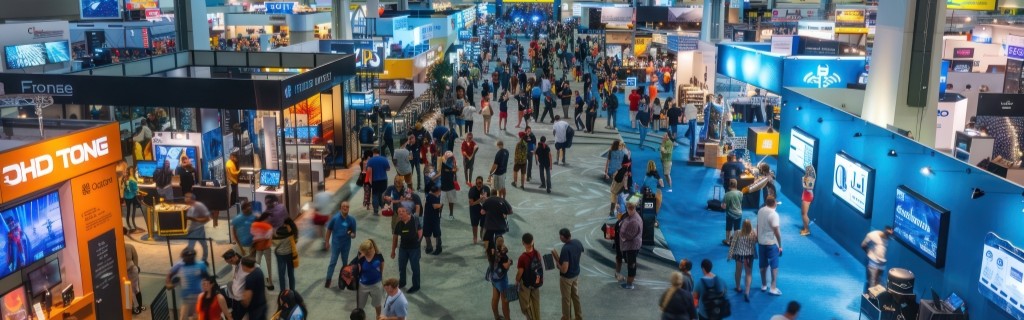
Booths are one of the main guest touchpoints for attendees. Booths foster connections, introduce guests to new business opportunities, and offer exciting tech experiences.
Interactive trade show booths wow event attendees and make an impactful statement. Modern IoT booth design can improve guest experiences in diverse ways, including through:
- Social Media Integration: Incorporating live social media feeds and real-time interactions boost engagement, showcase products to a wider audience, and strengthen online presence.
- Live-Streaming Display Screens: Using dynamic screens to broadcast demos, presentations, and product launches both on-site and online keeps messaging responsive and engaging.
- Virtual Technologies (AR & VR): Enhancing booths with immersive AR overlays and VR simulations offers interactive product experiences that attract attendees and extend reach to digital audiences.
- Digital Touchpoints for Data Collection: Deploying kiosks and mobile devices to gather attendee data enables personalized experiences, targeted follow-ups, and stronger customer relationships.
These solutions and more keep guests engaged across your venue, flooding events with interactive, appealing touchpoints.

Sustainable Waste Management & Water Usage
Bathroom facilities are another often ignored guest touchpoint within convention centers. Like convention center entrances, poorly-maintained bathrooms can leave a bad impression and waste substantial resources, leading to loose trash and wet floors.
Using sustainable IoT technology, convention centers can minimize waste while maintaining pristine restrooms. Modem sustainability trends in convention centers include:
- Waste Management Programs: Reduced environmental impact of high attendee waste volumes through strategic disposal methods, recycling efforts, and the use of green materials.
- Energy-Efficient Maintenance: Lowered waste and resource misuse during facility upkeep by adopting sustainable cleaning practices and proactive repair strategies.
- Minimized Water Usage: Addressed water shortages with bottle refill stations, drought-resistant landscaping, and wastewater recycling to conserve resources and reduce costs.
These programs create better guest experiences by minimizing waste and resources in restrooms, making them easier to maintain and delivering more consistent, positive experiences.
Awe-Inspiring Auditoriums for Keynote Speakers
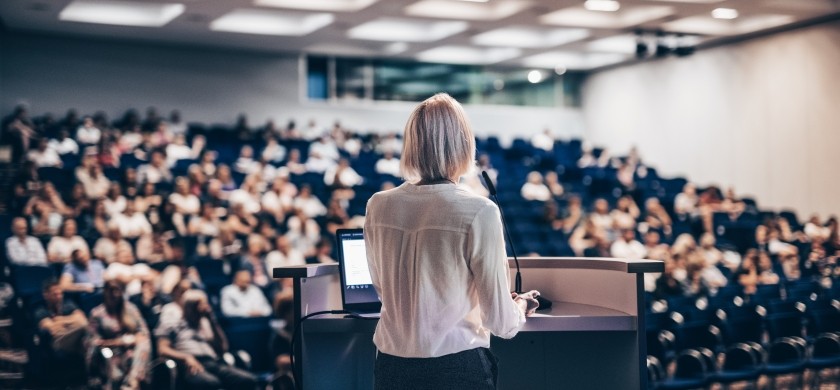
Convention centers serve as the backdrop for groundbreaking announcements, thought-provoking panels, and keynote speakers who draw massive audiences, making auditoriums yet another key guest touchpoint.
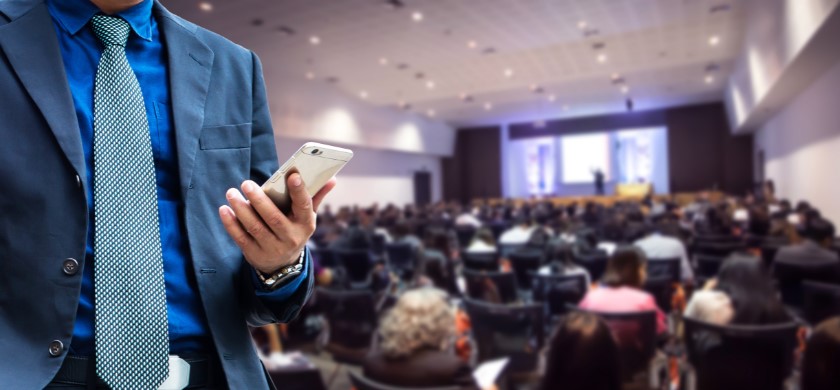
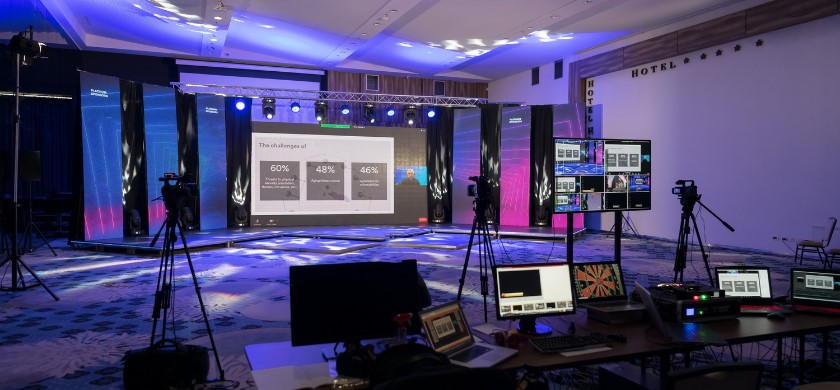
An auditorium designed to inspire creates unforgettable experiences that amplify the speaker’s message. From acoustically engineered sound systems to dramatic lighting and expansive sightlines, modern auditoriums combine architectural brilliance with cutting-edge technology to captivate audiences.
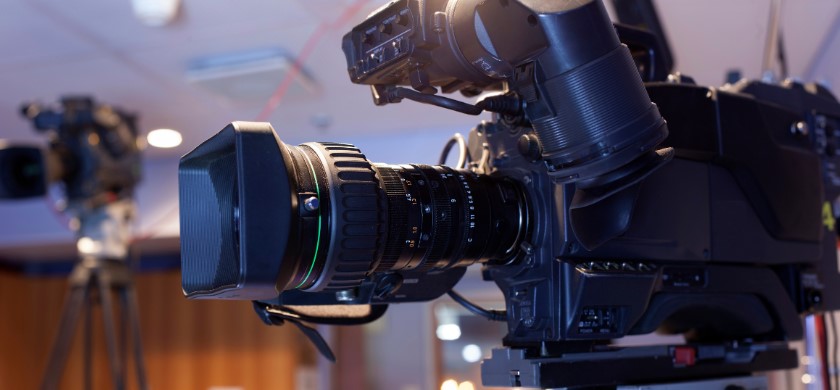
These spaces often integrate high-definition LED walls, live-streaming capabilities, and immersive audio to ensure every attendee, whether in the back row or tuning in remotely, feels engaged.
Flexible seating arrangements and modular stage designs allow for seamless transitions between presentations, performances, and interactive Q&A sessions. By blending design, comfort, and state-of-the-art tech, awe-inspiring auditoriums transform keynote speeches into powerful, memorable events that resonate far beyond the convention walls.
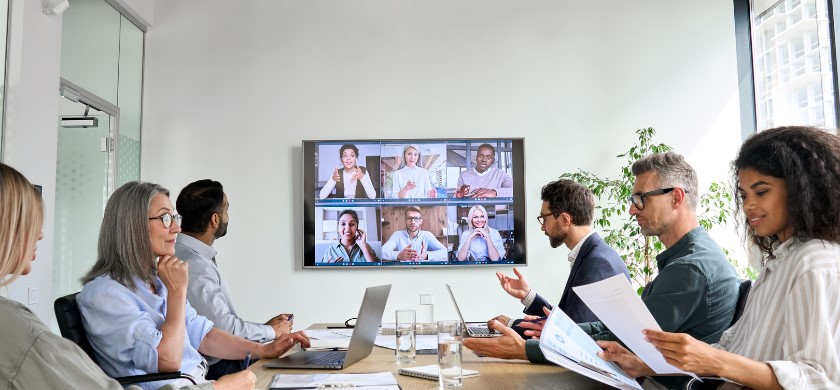
Hybrid Streaming To Reach Worldwide Attendees
One final touchpoint reaches guests beyond your venue; hybrid streaming allows digital guests to interact with your convention center thanks to modern connected technology. Markletic found that 71% of organizations with 5000 or more employees had hybrid events in their portfolio. Many convention center attendees will expect some hybrid aspect to interact with industry professionals outside the confines of your venue.
Virtual guest touchpoints offer benefits to convention centers including:
- Enhanced Engagement: Enable remote attendees to communicate and network with peers as if they were on-site.
- Global Connectivity: Effortlessly link professionals worldwide through live conference sessions and meetings.
- Increased Event Excitement: Boost attendance and encourage easy, shareable online registrations with minimal barriers.
- Streamlined Post-Event Follow-Up: Deliver instant survey prompts via hybrid platforms and provide in-person attendees with access to recorded content.
Strengthen Smart Convention Center Experiences With Hospitality Network
Every guest touchpoint within convention centers gives your venue a chance to leave lasting impressions. The smart technology we’ve shared ensures those impressions are largely positive. By embracing solutions that prioritize security, engagement, sustainability, and connectivity, convention centers meet the evolving expectations of modern attendees while future-proofing their operations.
From mobile ticketing to immersive auditoriums and hybrid streaming, these innovations work together to create events that resonate both in-person and online. With the right technology partner, such as Hospitality Network, convention centers can confidently deliver smarter, more connected experiences that stand out in today’s competitive event landscape. Contact us today and learn how Hospitality Network can support innovative guest touchpoints in your venue.