How Venues Adapt for Indoor and Outdoor Concert WiFi

When people think about WiFi access, they often think about connecting their phones or laptops to networks at home, work, or somewhere like a coffee shop. However, an often overlooked situation is the logistics of curating WiFi systems for live events with a high volume of attendees, such as concerts and music festivals.

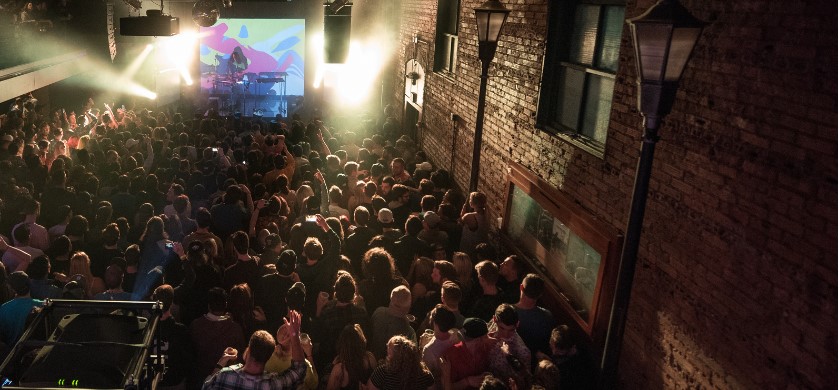
For concerts and other live events, WiFi access is crucial for both performers and audiences alike. Venues have adapted their approach and now install WiFi systems and smart technologies that can handle the large numbers of users and network traffic expected during a major event.

Read on to discover the many ways in which WiFi is being used at concerts, both indoors and outdoors, and to learn about some of the considerations venues need to make when curating their own WiFi infrastructures and smart technology systems.

Why Do Venues Need WiFi Services?

A venue’s primary source of income comes from booking successful events. In order to establish a loyal and returning customer base, venues must offer quality services that meet the needs of the promoters, performers, and attendees.

After all, happy customers are repeat customers. One of the best ways to keep your customers happy is to provide them with strong and stable WiFi access. Here are four reasons why your venue needs reliable WiFi services.

WiFi Is a Necessity for All Live Events

wifi is a necessity for live events

Most people nowadays love to share their life experiences on multiple social media outlets. Sharing photos and videos has become one of the strongest motivations for people to attend live events. Part of the draw of an artist or a concert includes the social capital attendees will gain from participating in the live event.

Music Fans are Willing to Pay for Live Coverage

Nowadays, people are willing to pay for live streams of events – from music performances, to Twitch gaming streams. As a tool to promote a larger audience, live streaming can provide a wonderful gateway for fans to participate, even when they are physically unable to attend – as the whole world learned during the Coronavirus pandemic.

Live Sports Events Require Massive Data Use

The average American consumes 3.64GB of data per day. Users within stadiums consume similar amounts of data — however, when you go to a live sporting event, the number of users increases exponentially. Stadium Tech Report found that on average, each user at Super Bowl LIV in Miami consumed 595.6 megabytes of data over the course of the game — adding up to 26.42 terabytes of total data consumed.

As you can see, having a reliable and stable WiFi connection is now a requirement for all types of live events. Performers and live coverage event promoters expect it, and attendees demand it.

WiFi Services Allow More Monetization Opportunities

A common practice among many businesses is to offer customers the ability to log in to their WiFi networks in exchange for some personal information, or to watch an advertisement clip. The revenue opportunities that venues can take in during an event attendees’ WiFi login process is a major factor to consider.

Opportunity to Collect Customer Data

When customers log in to your venue WiFi, you can collect useful contact information like their name and email address. The data is extremely valuable, as it allows you to quickly create a database of potential customers you can reach out and market to for future events, provided you seek customers’ consent before doing so.

The login process is a perfect opportunity to engage with your attendees and gain insight into their profiles and interests. Through the consumer login process, and consistent with your privacy policy, which you should make available to customers, you can gather information such as the types of devices used to connect to WiFi and leverage the interests of individuals to target advertising for upcoming events. This process is also helpful in creating and supporting and anticipating guests’ needs.

With this data, you can offer more personalized content and experiences to enhance the entire live event experience.

Offer Partnerships With Event Promoters

Events and artists make a big chunk of their revenue from selling merchandise. The WiFi login portal page for your event is an excellent platform from which to advertise and sell merchandise.

There’s partnership potential where a venue might help the artist or event planner to market and sell their merchandise through its WiFi login page — a great way to generate additional revenue for the venue while also providing value to the event promoter.

Cross-Selling and Upselling Events

Another way to monetize your venue WiFi is cross-selling and upselling current and future events. Today, most event sales and purchases are accessible online — so if someone is attending a concert at your venue, you can use the opportunity to upsell them on VIP tickets or exclusive online merchandise. Or, if they’re attending a conference, you can cross-sell them on future events that might interest them.

Increased Marketing Partnership

By offering WiFi services, you are opening up your venue to increase marketing partnership opportunities. Businesses always look for new and innovative ways to reach their target audiences. You can provide businesses with the ability to brand their login page, advertise their products and services, and even offer coupons and discounts.

WiFi Services Can Help Venues Run Efficiently

Every business owner knows that controlling costs is one of the keys to running a successful operation. There are many different ways to save money by pairing various smart technology functions with your venue’s WiFi system.

IoT Enablement Smart Technology Tracking Features

When a customer connects to a venue’s WiFi network, the venue can track that customer’s movements and behavior. This information can help venue managers understand what areas of the venue are used the most, what times of day are busiest, and even how long customers spend in each area.

Using Tracking Features to Improve Customer Experience

The information gathered from tracking a customer’s location can be used to adjust and improve the overall customer experience. For example, if a venue sees a high amount of foot traffic in one area compared to another, they may decide to move some of their furniture or displays around to encourage more traffic in the less popular area.

On the other hand, if they see that customers are only spending a few minutes in one area but much longer in another, the venue may decide to add more seating or make other changes to encourage customers to spend more time in that location.

Helping Venues Save Money

WiFi services can also help venues save money by reducing energy costs. Many newer routers and access points come with energy-saving features that can make a big difference to your bottom line.

For example, some devices will automatically power down when they’re not in use or go into standby mode when there’s no activity. These features could lead to savings on your electric bill each month.

How Can Venues Provide Sufficient WiFi Coverage?

how can venues provide wifi coverage

One of the most common complaints from event attendees is that they can’t get a good WiFi signal. It is crucial for venues to consider how they can ensure strong, reliable WiFi that can handle many users at once. There are many factors that are essential for a venue to be able to provide good WiFi coverage.

High Bandwidth

One of the most important factors for good WiFi coverage is high bandwidth. Higher bandwidth means more data can be transferred per second, which is essential for many users who may be streaming video or working on tasks requiring a lot of data transfer.

Multiple Skillfully Placed Access Points

Another vital factor is multiple skillfully placed access points. Having multiple access points ensures that there are no dead spots in the coverage area and that all users can connect to the network regardless of where they are in the venue. This feature is crucial for outdoor concert WiFi installation in particular, due to the fact that it can be challenging to place access points in optimal locations while ensuring they remain protected from the elements.

Appropriate Channel Width

For multiple access points to work well together at a venue, they must be configured with appropriate channel widths. Channel width refers to the amount of spectrum available by the Access Point. A wider channel width means more data can be transferred, and the network can support more users. Wide channels are crucial to allow for the transfer of large amounts of data and the high numbers of users at event venues.

Captive Portals

Finally, captive portals are essential for ensuring only event-goers have access to your network. Captive portals are landing pages that are displayed to users when they try to connect to a network. They typically require users to log in or register before they can gain access to the internet. This system prevents outsiders from hijacking your bandwidth and ensures your WiFi connection is dedicated to only your event attendees, performers, and employees.

Update Your WiFi System Professionally

A strong WiFi system is no longer a luxury for businesses — it’s a necessity. In areas like stadiums, arenas, and other concert halls or venues, people constantly use their devices for everything from work to streaming entertainment, sharing their experiences, and connecting with others. If your venue doesn’t have a reliable WiFi system to accommodate those needs, you risk losing out on potential customers.

We understand that every business is different, so we work with each of our partners to create a tailor-made solution that meets their specific needs and budget. Whether you need to upgrade your existing system or install a new one from scratch, we can help to generate a solution. Contact us today to learn more about our services.

How IoT Technology Can Minimize Common Fan Safety Concerns in Stadiums

Protect Fans in Stadiums Using Innovative IoT Safety Technology

The use of IoT technology in stadiums can play a significant role in promoting fan safety at sporting events and other live performances. By implementing capable IoT technology, stadiums can take considerable steps to improve and promote venue security amidst common concerns.

Using IoT Technology to Diminish Fan Safety Issues in Stadiums & Venues

addressing common stadium safety concerns using IoT

Live events at stadiums require a great deal of coordination to ensure events proceed without any technical problems and that the safety of spectators is not compromised. Unfortunately, there are several ways that things can go wrong, putting everyone in the stadium at risk.

Game Disruption Due to Fights in the Stands

One of the most common disruptions during sporting events are fights that break out among fans in the stands. While security personnel can do their best to keep an eye on things, it often takes more work to spot a potential fight before it happens. As a result, safety at sporting events has always been a concern for stadium managers.

How IoT Technology Can Protect Against Fights in Stands

IoT solutions like video surveillance and crowd analytics can help stadium personnel identify potential fights before they start. Video surveillance cameras equipped with facial recognition software can identify known troublemakers in a crowd and alert security to their presence.

Crowd analytics can also use data from various sources, including social media, weather reports, and ticket sales, to predict when and where problems are likely to occur. By being proactive and using IoT technology to identify potential threats, stadium personnel can help prevent fights from happening in the first place.

Game Disruption Due to Fans Rushing the Field

Another common disruption during live events is when fans rush to the field or the stage during the event. While this may seem like harmless fun, it can often lead to severe injuries for both fans and players. In some cases, it can even lead to property damage as fans try to tear down equipment in their excitement.

How IoT Technology Can Protect Against Fans Rushing the Field

By installing sensors around the perimeter of the field, court, and stage, stadium personnel can be alerted as soon as someone tries to breach the security barrier. This gives them time to intervene and stop the person before they enter the “safety zone” where the performance or the game occurs. Additionally, by using data from previous games, crowd analytics can predict when and where fans are most likely to try and rush the field so that security can be increased in those areas.

Game Disruption Due to Audience Accidents

Accidents happen. But when they happen at a sporting event or live performance, they can often disrupt the game and cause delays while emergency personnel respond. Safety during events is difficult to manage because of the many people in attendance. In the past, it was up to the surrounding audience to notify security or emergency personnel of an accident. But with IoT technology, that’s all about to change.

How IoT Technology Can Protect Against Audience Accidents

With IoT technology, stadium personnel can quickly identify when someone has fallen and needs assistance. IoT-enabled sensors can be placed throughout stadium concourses and stairwells that detect when someone has fallen down. This information is then relayed to a central command center where emergency personnel can be dispatched immediately. This safety feature helps ensure that accidents are dealt with quickly and frees up security personnel who would otherwise have been called upon to respond.

Game Disruption Due to Weather Emergency Events

Mother Nature doesn’t always cooperate with event planning. Severe weather strikes during a live event can often lead to delays or even cancellations as spectators seek shelter from the storm.

How IoT Technology Can Protect Against Game Disruption to Weather Emergency Events

With IoT technology, stadium personnel now have a way to monitor weather conditions in real-time and take action accordingly. By installing sensors around the stadium that measure wind speed, precipitation levels, and lightning activity, venue staff can get an early warning when severe weather is on its way. This information can then be used to decide whether to delay or cancel the event — decisions that could help keep spectators safe from harm’s way.

Game Disruption Due to Illegal Entrances

A major problem that stadium owners face is illegal entrances. This refers to people who either sneaked into the stadium without paying, bought forged tickets, or purchased tickets but have yet to sit in their assigned seats. Not only does this cause problems for venue security, but it also disrupts the game for paying fans trying to watch from their seats.

How IoT Technology Can Prevent Illegal Entrances to Stadiums

One of the most common stadium safety tips is incorporating IoT technology to track people as they enter the stadium. By installing sensors at all entrances, security personnel can quickly identify anyone who has entered the stadium without a ticket. The facial recognition information can then be used to eject the individual from the premises.

Game Disruption Due to Slow Audience Entry

Another problem that often plagues stadium owners is slow audience entry. This occurs when fans take their time entering the stadium, causing congestion and delays. This can be inconvenient for fans trying to get to their seats in time.

How IoT Technology Can Prevent Slow Audience Entry

IoT can help with this problem by providing real-time data on crowd density. Fans can be processed quickly and efficiently by having multiple electronic check-in points and online verification options. It not only helps to reduce congestion, but it also helps to improve security by allowing stadium personnel to track who is entering the premises. Venue owners can also leverage electronic signage to help first-time attendees find their seats more quickly and efficiently.

Game Disruption Due to Parking Lot Congestion

The parking lot is often one of the most congested areas of a stadium on game day. It can be the primary reason preventing fans from getting to their seats in time. Having all audience vehicles stuck in a car-to-car traffic jam in search of available parking spots can also increase the risk of causing car accidents.

How IoT Technology Can Prevent Game Disruption due to Parking Lot Congestion

IoT technology can alleviate this problem in several ways. By installing automatic license plate scanners at all parking lot entrances and exits, patrons can enter and exit venue lots without stopping to purchase and validate their parking tickets. Online reservation systems can also help fans find and reserve parking spots in advance. This not only helps to reduce congestion, but the feature also helps to improve security by allowing stadium personnel to track who is entering and exiting the premises.

In addition, security cameras can provide real-time data on parking lot conditions. By installing sensors in the parking lot, stadium personnel can quickly identify areas of congestion and direct fans to available parking spots. All these features eliminate vehicles from idling in the parking lot and help minimize the risk of accidents.

Game Disruption Due to Cyber Attacks

With more and more devices connected to the internet, stadiums are increasingly vulnerable to attacks from hackers. These attacks can disable scoreboards, concession stands, and other critical systems, such as WiFi log-in portals, blocked online verification processes, and electronic check-in stations. These attacks prevent an event from beginning on time and put customers’ personal data at risk — the FBI even advised athletes at the 2022 Beijing Olympics to bring a temporary cell phone to avoid cyber attacks including data theft and installation of malware.

How IoT Technology Can Protect Against Cyber Attacks

To avoid this problem, stadium owners can use IoT technology to monitor their systems for signs of intrusion. Having multiple layers of web security protections, such as WPA3 encryption, antivirus programs, firewalls, and a secure two-factor log-in portal to access the stadium’s WiFi system can significantly reduce the risk of a successful cyber attack.

Other Benefits of IoT Technology for Stadiums

benefits of iot technology for stadiums

In addition to the safety benefits, IoT can bring several other advantages to stadiums. They can help elevate the customer experience by providing interactive experiences, such as digital signage that can guide fans to their seats or offering order-ahead and in-seat concessions ordering.

IoT can also help stadiums save money by reducing energy consumption through smart lighting and temperature control systems. In the long run, these benefits can help stadiums improve their bottom line and become more sustainable businesses. And most of all, it can also help generate extra income and provide data to improve better usage of the venue space.

The Leading IoT Technology Provider to Stadium Events

We understand that the safety of your fans is always a top priority. That’s why we offer a variety of IoT technology solutions specifically designed for stadiums and other large venues. From managed WiFi to self-service kiosks, we have the answers you need to keep your fans safe and informed.

With over 40 years of experience in the hospitality and entertainment businesses, we have the knowledge and expertise to help make your stadium a safe and enjoyable place for everyone. Our team of experts will work with you to assess your specific needs and develop a customized solution that meets your unique requirements. Contact us today to learn more about how we can help make your stadium safety a priority for your fans.

5 Convention Center Industry Trends Leveraging IoT Technology

Discovering Convention Center Technology Trends

Convention centers are evolving. As IoT technology continues to become normalized within consumer expectations, event venues need to make sure they remain on top of industry trends to keep customers happy. Consumers expect intuitive IoT upgrades at their event; we’re here to help.

Below, explore 5 convention center technology trends to keep an eye on.

1. Reliable Network Access Points Across Venues

WiFi access points refer to the networking devices that allow devices outside of a network (i.e. phones, tablets, laptops) to wirelessly connect for internet use. For users to gain consistent internet connectivity within a venue, convention centers need to skillfully and purposefully place access points throughout a venue.

Outdated convention centers often fail to offer reliable network access due to poor placement of access points. In older venues, access points are placed distant from each-other, creating dead zones within a venue — spurring attendees to “search for a signal” within a hectic, crowded event space. WiFi access points are also frequently placed in areas that obscure signals, such as behind an event fixture, further weakening the signal of already unreliable access points.

It’s essential for modern convention centers to allow event attendees to access WiFi in any part of a venue — to do so, they need to avoid these common access point pitfalls and commit to expansive wireless access point placements. The Las Vegas Convention Center, for example, has 2,800 WiFi access points, providing facility-wide coverage that keeps guests, booths, and exhibitors connected.

2. Real-Time Updates Within Event Screens

The image of modern convention centers is defined by vibrant screens; bulky, cumbersome physical signage has been replaced by adaptable monitors displaying information catered specifically to event attendees and leveraging skillful graphic design. These screens save waste, cut costs on printed materials, and lower the time it takes to set-up for new events.

Leveraging connections from more reliable access points, convention centers can provide real-time event updates via digital signage. Whether with screen mirroring or more extensive software, event screens can display updates such as room changes for meetings, reminders for important speakers, and even wayfinding updates to guide attendees to important locations. Powered by IoT, event screens offer valuable utility to event organizers.

convention center event video live streaming

3. Personalized Live Video Streaming

In sprawling convention centers, it can be difficult for attendees to catch every moment; due to busy schedules, essential meetings may need to be held as an important speaker orates across a venue.

While necessary, these sacrifices can be minimized using IoT technology. Modern events often stream speakers for wider-spread consumption over the internet — WiFi within convention centers can leverage these streams from within a venue. Connected to convention center screens, event organizers can stream speakers throughout an event as they speak — allowing attendees to tune in and out as they need to and stay connected to convention happenings. These live streams can also help engage users who were unable to attend the event in person, helping broaden the audience of the convention beyond physical attendees.

In addition, these streaming capabilities can extend beyond speakers. Via internet connections, attendees can watch the news, documentaries, and even access streaming services — an increasingly important accommodation within the hospitality industry. Whatever the use, reliable video streaming can help blow event attendees away.

4. Complimentary WiFi for Attendees, Built Into Event Pricing

One concern convention centers often have about WiFi installation is network cost. Lightning-fast, high-bandwidth network options cost more than less reliable alternatives, and in turn occasionally force convention centers to pay a premium for services. These expenses put convention centers in a tough spot — do event attendees have to pay for better WiFi? Should venues charge in tiers for WiFi access?

The industry is trending towards a far simpler solution — offering complimentary WiFi for attendees, pre-built into event pricing. As opposed to complicating engagement with different payment plans and flexible tiers, convention centers can offer one comprehensive WiFi option as part of renting out the venue. With this shift in marketing, convention centers can turn their responsive WiFi into a selling point, rather than a detriment.

branded wifi landing pages for convention centers

5. Customized Branded Network Landing Pages

Landing pages are the pages event attendees use to log onto WiFi networks, often requesting information such as name, cell phone number, or other verifying factors to ensure only event attendees can access WiFi. For large venues such as convention centers, landing pages can serve as an essential step to secure your network. Their utility, however, expands beyond privacy.

Branded network landing pages turn traditional landing pages into an opportunity to market, and can be especially useful for convention centers. Depending on the event, venues can advertise keynote speakers, premium experiences, and even upcoming events — all turning landing pages into a valuable place to increase ROI.

Adapting to Convention Center Industry Trends

As industry standards for convention centers continue to advance, you need a partner to ensure your venue stays up-to-date. We remain at the cutting edge of convention center technology — building smart venues with high-speed connectivity in mind. Our suite of solutions is trusted amongst industry-leaders, including providing internet to the 4.6 million-square-foot Las Vegas Convention Center.

Don’t let your convention center fall behind. Request a consultation today and stay on top of convention center industry trends — both now and later.

Harnessing Stadium WiFi Design for Better Fan Network Access

Designing Stadium WiFi to Support Smart Stadium Advancements

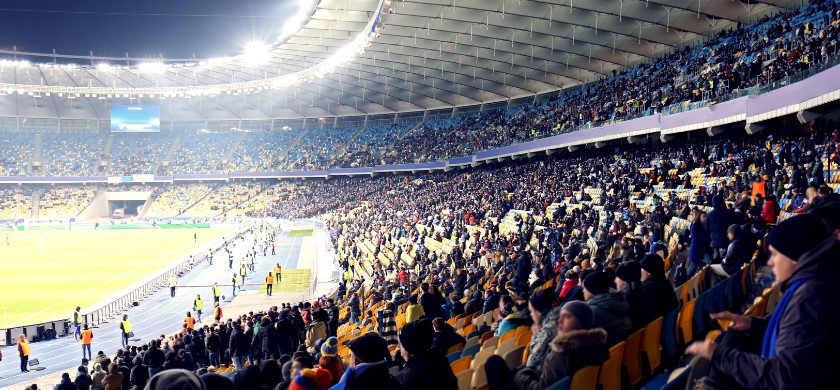
Providing WiFi at a sporting event is no longer a luxury; today, smart stadiums are defined by their access to the internet and the unique experiences that connectivity provides to guests. For stadiums to excel with modern consumers, they need to leverage smart WiFi designs, built by professional technicians.

When considering upgrading your stadium WiFi system, it is important to explore not only the technical solutions to providing stronger connectivity to fans, but also how to leverage that connectivity to drive positive experiences and increased revenue.

Why Do Stadiums Need to Prioritize WiFi Design for Responsive WiFi?

prioritize stadium wifi design for responsive wifi

Gone are the days where fans go to stadiums just to watch a game — today, fans crave a holistic experience when they pay a premium to watch their team live. Whether in baseball parks, basketball arenas, or football stadiums, fans expect far more than a live sporting event; WiFi is intrinsically linked to these new experiences.

Here are just a few of the advancements stadium fans expect with their ticket — and why responsive WiFi design is essential to each.

Better Organic Advertising Through Fan Social Media Engagement

Social media engagement has risen as an essential way for businesses to gain free, organic marketing. Through strategies such as hashtag campaigns, photo opportunities, and community management, brands can encourage and spur interaction with social media users, leading to higher views on posts and potential conversions into customers.

Encouraging social media engagement is vital for stadiums. With effective marketing, stadiums can leverage QR code implementation, sharing online polls about game events, and even the potential to be featured on a stadium screen to get fans talking online.

Of course, for fans to access social media in stadiums, venues need to ensure access to a responsive, reliable WiFi network. Without thoughtful stadium WiFi design, fans won’t be able to access social media; even with solid in-stadium marketing, fans will grow frustrated at their lack of ability to participate in campaigns. This leads to a decrease in fans participating in organic marketing, which may cost sponsored businesses the potential of new customers. In turn, responsive WiFi needs to be a priority.

Improved Stadium Experience Across Consumer Demographics Using Football Fan Apps

For modern stadiums, fan experiences are intrinsically linked to IoT. Through football stadium fan apps, venues can streamline access to tickets, can help attendees order food, let hardcore fans check scores around the league, and more. Creating an integrated environment within the stadium can allow for a more positive fan experience as well as bolster points of sale throughout the venue, potentially driving greater revenue. These app features provide technological advancements that range from quality-of-life improvements to fundamental changes in how fans view the game — offering impressive utility to casual and die-hard attendees alike.

Again, a stable network connection is essential to accessing these smart stadium capabilities. Skillful stadium WiFi design makes all of these features easily accessible, turning them from superfluous benefits to integral parts of the stadium experience. Plus, as fans turn to social media to showcase their immersive new experiences in real-time, your venue gains even more productive social media engagement.

How to Design WiFi Coverage for Stadiums & Arenas

how to design wifi coverage stadiums

With so much of the modern stadium experience relying on internet connection, it is clear why skillful WiFi network design is essential to stadiums. Typical mobile carriers are not sufficient enough to handle the data demand of a high-volume event. How, then, can stadiums and arenas design WiFi coverage to extend reliably throughout a stadium?

To ensure effective coverage, venues should consult the experts. Using a team specialized in smart stadium technology, stadiums can leave design to highly-skilled, experienced technicians who know how to circumvent typical pain points. Here are some of the strategies knowledgeable technicians will use when designing stadium WiFi.

Leverage the Appropriate Bandwidth

Bandwidth is key to providing consistent, reliable WiFi access in stadiums and arenas. Referring to the maximum amount of data transmitted over an internet connection in a given amount of time, outdated stadium networks are often overloaded by users due to low bandwidth. Without the bandwidth to support enough users, networks slow down, and occasionally stop working altogether.

A skilled WiFi technician can calculate the exact bandwidth needs of a venue based on venue size and maximum capacity. Needs will vary depending on the scale of your stadium or arena — experts can determine exactly what is necessary and generate a solution customized to your venue’s needs.

Locate Dead Spots Throughout the Venue

WiFi signals rely on transmitting invisible connective waves across space; in turn, they need the space to actually transmit and reach devices. Dead zones, or areas in a venue that a WiFi signal doesn’t reach, occur when that space is obstructed or extended beyond what a signal can handle. These can occur due to obstacles like thick walls, bulky metal furniture, and high distance between WiFi access points.

It can be quite simple to locate WiFi dead zones; what’s harder is fixing them. Whether manually or using software, a WiFi expert can pinpoint where WiFi cuts out and determine how to fix it; potential solutions include moving an obstruction, moving an access point, or installing an additional access point to ensure reliable coverage.

Invest in Proper Network Security Measures

Sometimes, even with appropriate bandwidth and minimized dead spots, networks can experience slowdown. These issues can often be traced back to security breaches. Bad actors know stadiums are ripe locations for public WiFi access — whether for their own personal WiFi use or stealing user data, stadiums need to protect themselves from these users.

There are several techniques stadiums can use to increase network security. Networks can leverage captive portals, landing pages displayed to new users within a network requesting information such as name or ticket number, to keep unwanted users out. Stadiums can also implement content filters, restricting access to websites with questionable security.

Implementing Stadium WiFi Design

Efficient WiFi network design is absolutely essential to modern stadiums. From social media engagement to online concessions, so many of the features fans crave hinge on a strong internet connection within the venue itself.

Looking to optimize the WiFi design in your stadium or arena? We are a leading provider of smart stadium solutions. Our team has handled some of the largest football stadiums in the country — experienced at bringing thorough WiFi design to venues of all shapes and sizes, from installation to management. Contact us today and learn how we can help innovate your stadium.

Conference Webcasting: How to Stream From Convention Centers

Support Conference Webcasting with High Speed Connectivity

Convention centers & special events have evolved with improving technology. Amongst several exciting technology trends, — How, then, can convention centers support this new technology?

Read on for a definition of conference webcasting, how it differs from web conferencing, and what technological infrastructure your convention center needs to support this new increasingly important capability.

What is Conference Webcasting?

Webcasting generally refers to any live or on-demand video that is streamed online. Webcasts can refer to both in-person presentations, simultaneously performed with a live audience and streamed for real-time or delayed consumption, and live-streaming particularly for the online medium, such as video game streamers.

Conference webcasting, then, refers to an in-person presentation streamed live or on-demand over the internet. This may include keynote speakers at a conference, roundtables featuring industry-leaders, or live Q&A sessions featuring camera angles of audience and speakers alike.

Conference Webcasting vs. Web Conferencing

A web conference is an online event specifically catered towards the online space — including options to chime in virtually, share screens, present slides, and generally take an active role in the conference despite not being in-person at a conference center. Oftentimes, web conferencing does not take place in any one physical location — instead, it features dozens of users all meeting in one digital location.

As opposed to conference webcasting — which provides non-interactive, linear access to in-person conference events and acts as a livestream for non-attendees — web conferences offer a more interactive online conferencing experience, specifically designed to replicate the feel & participation of a traditional, in-person conference for online attendees.

Web conferences are ideal for bringing together professionals from diverse, far-reaching localities; for organizers already running in-person events, however, conference webcasting will likely have more utility.

how to stream from convention centers

When Should Conferences Utilize Webcasting?

Webcasting is ideal for conferences with exciting panelists & speakers that event-planners want to share to a greater audience.

Conferences often pay top dollar to bring engaging, industry-leading voices to speak to event attendees. Webcasting provides a means to showcase these voices across the internet — whether through social media platforms such as LinkedIn and Facebook or dedicated streaming platforms such as YouTube or Twitch.

Webcasting can also help companies assert themselves as industry leaders. By offering streamed conference presentations on-demand after the fact, the reach of a conference can extend far beyond its initial dates — attracting more attendees for the next event.

How Can Convention Centers Enable Conference Webcast Solutions?

To enable conference webcast solutions, convention centers need to implement relevant streaming and network infrastructure. High-quality streams require crisp audio & visual equipment to capture footage, alongside reliable WiFi networks for speedy streaming.

Cameras

High-quality cameras ensure online viewers gain a crisp, accurate look at conference speakers and panelists. We recommend cameras that can stream in 4K (4,000 x 2,000 pixel resolution) for the crispest, most impressive resolution for event live-streamers. If those cameras are out of budget, however, even an iPhone camera can reliably film and stream events.

Conference centers should also consider how they want to film events. Is a single camera enough? What would a multi-camera set-up entail? The answers to these questions will vary based on your conference’s unique needs and should be considered early in the planning process.

Audio Equipment

Because conferences tend to take place in large rooms with echoing acoustics, using the native microphone of a camera will result in spacey, hard-to-follow audio for webcasting. In turn, recording audio using specific microphones on conference speakers is absolutely essential to webcasting.

Audio can be recorded via microphones lapelled to a speaker’s clothing. Alternatively, conferences can record audio natively through the microphones speakers use to present in the first place.

Properly syncing audio and video is also of the utmost importance. Any on-stream delay between audio and video will look unprofessional and detract from the quality of your stream.

Desktops, Laptops, or Tablets

Whatever the means, convention centers need some sort of smart device to act as the control center for webcasting. Streams need one central source to connect to streaming platforms; meanwhile, another device should have a live view of the stream open at all times to monitor viewer perspective.

Wireless Network

Live-streaming video without lag or delays requires an incredible amount of bandwidth; YouTube recommends a 20,000-51,000 Kbps for the highest quality of video streaming. In turn, it is essential for convention centers planning to support web conferencing to have a powerful, high-bandwidth wireless network connection.

Unreliable networks will cause streams to sputter, video quality to fall, and, at worse, cause a stream to fail altogether. These issues can tank the quality of a webcast, and ruin the ability to play the presentation back after the fact.

how can convention centers enable conference webcast solutions

Powering Conference Webcasting With Responsive Internet Connectivity

Conference webcasting is an excellent way to broadcast influential speakers and panelists across the internet. By broadcasting powerful presentations, conferences can assert themselves as industry leaders and convert more attendees & members in the future. In order to support conference webcasting, however, convention centers need the correct infrastructure — including reliable internet access.

We offer powerful WiFi network design and implementation for convention centers — supporting smart solutions such as simultaneous conference webcasting. Request a free consultation with our team today.

5 Ways IoT in Smart Stadiums Can Supercharge Stadium Experience

The stadium experience is changing, and so are fan expectations. In a study from Oracle, fans consistently ranked technology as a key subject of importance across major sports — ranking higher than both entertainment & traditional amenities. Today, offering exciting technological advancements to visitors is essential for stadiums to remain competitive & relevant.

IoT is an essential tool in upgrading the technology of your stadium. Discover what exactly falls under the term IoT, what type of IoT technology can be used in stadiums, and 5 essential applications to satisfy and impress fans.

What is the Internet of Things (IoT)?

The Internet of Things (IoT) refers to the massive, interconnected network of physical devices loaded with sensors, software, and any other technology leveraged to exchange information over the internet.

Obviously, this definition is expansive, encompassing a wide variety of devices and technology. IoT may include routers, modems, cellphones, and even smart homes & cars — all of this technology falls under the diverse umbrella of IoT.

strategies to increase sustainability in sports stadiums

What Types of IoT Technology Can Be Used in Sports Stadiums?

Considering the term’s broad definition, the types of IoT technology that can be used in stadiums is also incredibly expansive. Potential examples include:

  • High Bandwidth WiFi Routers to support various stadium network capabilities.
  • Mobile Check-In Devices for online, connected guest ticketing.
  • Smartphones Connected to Stadium Apps for diverse fan experiences.
  • Smart Sensors to streamline overall stadium management and energy consumption.

Because IoT devices can be so diverse and versatile, use of IoT technology in stadiums matters less about what technology is used and more about how that technology is used.

5 Essential IoT Applications for Smart Stadiums

Leveraging intuitive IoT technology into your stadium design can increase ROI, supercharge fan engagement, and increase your property’s bottom line. To turn your venue into a smart stadium, effective, smart applications of IoT devices are essential.

Here are 5 essential ways to leverage IoT technology in your stadium, alongside the technology necessary to implement them.

Increasing Fan Social Media Engagement

Social media engagement serves as a key way to invest fans in the stadium experience, leading to greater fan satisfaction and organic, word-of-mouth marketing. To allow seamless, intuitive access to social media, however, stadiums need to leverage IoT technology.

Fans should be able to access social media from their devices from anywhere in your stadium — from their seats to souvenir shops. In turn, stadiums need to skillfully leverage WiFi router & access point placement to keep fans connected.

Stadiums should also encourage fans to take out mobile devices, both during games and through calls-to-action placed throughout a venue. By consistently reminding fans when & where to post, or even driving them to the social platform directly via QR codes, stadiums ensure a high conversion rate on social media engagement. Check out our blog for further strategies for increasing social media engagement with sports fans in stadiums.

Adaptive, Responsive Stadium Wayfinding

Above everything else, fans come to stadiums to experience an event. From high-octane sports matches to heart-pounding concerts, attendees don’t want to miss a minute of the action. As stadiums grow in complexity and scope, however, fans are at an increasing risk of getting lost within stadiums — leading to potential frustration towards missed moments.

Responsive stadium wayfinding allows fans to navigate your venue stress-free. Stadium wayfinding comes in two distinct forms: mobile wayfinding and digital signage. Whatever the means, intuitive wayfinding can help exceed guest expectations for your events.

Mobile wayfinding uses real-time location tracking via guest devices to help them navigate stadiums. Access to mobile wayfinding requires a guest smart device (smartphones, smartwatches, etc.) & responsive, accurate WiFi access (routers, additional access points).

Digital signage, meanwhile, allows guests to explore stadiums via directions placed in specific touchpoints. Signage can be both interactive — allowing for touch screen navigation of virtual maps — and updated in real-time — showing updates to game scores and current wait-times at stadium concessions. Oftentimes, digital signage displays are in and of themselves IoT devices.

Improving Overall Fan Experience

IoT technology streamlines & optimizes the entirety of the stadium fan experience. Using stadiums fan apps, attendees can control diverse aspects of their visit to a stadium. Smartphones provide access to stadium concessions, digitized tickets, and even more stadium services — acting as a centralized fan experience hub.

While smart devices serve as a hub for fans, stadiums need to install additional IoT devices to allow staff to meet fan needs. Concession stands need internet-enabled PoS software and infrastructure to receive and communicate online orders. Ticketing services also need responsive connections to steadily scan and admit attendees with online tickets.

Smarter, Efficient Facilities Management

With millions of fans and dozens of yearly events, stadiums generate massive amounts of waste and consume high volumes of energy. Waste Management (WM) estimates that the four major American professional sports leagues (NFL, MLB, NBA, NHL) generate approximately 35,000 metric tons of carbon dioxide (CO2) annually — from fans’ waste activities alone. Not only does this waste hurt the environment, but overzealous energy consumption also hurts a stadium’s bottom line.

IoT-enabled facilities management can help stadiums combat wasteful practices. Online inventory management software can connect to concession stands & souvenir shops to ensure efficient utilization of supplies. Additionally, sensor-activated restrooms can turn off lights and track water use to minimize consumption.

Implementing Reliable, Expansive Stadium WiFi

Ultimately, all IoT solutions tie back to one central need — responsive, reliable stadium WiFi. Without consistent internet access, IoT devices are virtually useless; leveraging an experienced team to install a high-bandwidth WiFi network in your stadium is key to leveraging all IoT devices and capabilities.

iot technology used in sports stadiums

Support Smart Stadium IoT with Internet Connectivity From Hospitality Network

We are a leading provider of stadium internet solutions across the country. Our smart stadium solutions support the cutting-edge of new stadium design — including for diverse applications of IoT devices.

Looking to jumpstart IoT connectivity in your stadium? Request a free consultation with our team and begin your smart stadium evolution today.

The Benefits of Hosting Hybrid Conference Events for Convention Centers

How Venues are Adapting for Hybrid Conferences

Hybrid conference events are the future of conference centers. According to Statista, 57.7% of companies surveyed expected to increase their budget for online events in 2021. Additionally, in 2022, Markletic found that 71% of organizations with 5000 or more employees had hybrid events in their portfolio. With a massive wave of acceptance across industries, the importance of incorporating hybrid technology into conference centers is clear.

How, then, can conference centers leverage hybrid events within their programming? This comprehensive guide has everything you need to know, including a definition of hybrid conferences, benefits, and best practices.

What are Hybrid Conferences?

A hybrid conference refers to any conference that includes both in-person and remote attendees through the incorporation of IoT technology. They are a merger of in-person events and virtual-only events, combining the best features of both to achieve a holistic, mixed experience — hence the “hybrid” descriptor.

To achieve a hybrid conference, organizers need to harness a potent mix of IoT technology. These may include a dedicated hybrid event platform, appropriate cameras & audio equipment for speakers, and reliable convention center internet connectivity to ensure stable access for virtual attendees.

what are hybrid conferences and hybrid meetings

Benefits of Hybrid Events for Conference Centers

In an increasingly connected world, hybrid events offer accessible, intuitive ways for conference centers to extend their reach and increase their business. Here are a few of the specific benefits of hybrid events for conference centers.

With Hospitality Network HSIAWithout Hospitality Network HSIA
Expanded EngagementAllow for conference communication & networking between attendees hundreds of miles away.Lower Industry ImpactEliminate key virtual networking opportunities and chances for greater industry engagement.
Broader Worldwide Reach Seamlessly connect professionals across the globe throughout conference speakers & meetings.Restricted Audiences Limit the impact of conference speakers & events to a local (rather than global) scale.
Greater Event Anticipation Raise attendance numbers and promote sharable, low-risk online conference sign-ups.Reduced Participation Restrict maximum attendance numbers and minimize overall number of sign-ups.
Easier Attendee Follow-Up Send immediate survey CTAs through hybrid platforms & entice in-person attendees with access to filmed content.Diminished Feedback Insights Collect less long-term and short-term information about attendee experiences.

Broader Worldwide Reach

Conference organizers go through painstaking measures to deliver the best event possible for attendees. From industry-leading speakers to highly beneficial networking events, attendees leave conferences with increased knowledge and valuable new connections. Unfortunately, due to the physical proximity of conference centers, the reach of in-person events is inherently limited.

Through hybrid events, the reach of conference centers becomes limitless. Networking, speakers, presentations — all become accessible worldwide with hybrid events. With expanded reach, a conference overcomes geographic limitations and expands brand power, potentially leading to more diverse in-person conference attendance down the line.

Expanded Engagement

Alongside broader world reach comes expanded event engagement at large. Modern IoT technology allows organizers to give real-time event updates on dazzling event screens. For hybrid conferences, these screens can even further connect in-person and online attendees.

Organizers can send out real-time surveys about industry topics to all hybrid event attendees for a comprehensive, diverse data-set. Screens can also show highlights from both online and in-person sides of the conference, and allow for communication & calls between attendees hundreds of miles away.

Greater Event Anticipation

With hybrid events, organizers can greatly increase engagement & anticipation during pre-event roll-outs. Online sign-ups for hybrid conferences are sharable and low risk for attendees, spurring greater attendance numbers to further promote high sign-ups conference marketing. Additionally, with an inherently online component, attendees may feel more inclined to interact with virtual posts and promotions at large.

Easier Attendee Follow-Up

Conference attendee follow-up is key to improving future events; surveys can give organizers valuable feedback on speakers, event organization, and overall event experience. Due to the frequent need for travel during in-person conferences, however, it can be difficult to track down guests for feedback post-conference.

Hybrid conferences offer extensive new ways to reach attendees post conference — for those that attended both in-person and virtually. Organizers can reach virtual attendees as soon as a conference finishes by giving immediate survey CTAs through hybrid conference platforms. Meanwhile, organizers can entice in-person attendees by offering free access to filmed and online conference content as soon as they fill out a survey.

best practices for hosting hybrid events

How do Hybrid Events Work? Best Practices for Hosting

Hybrid events work by combining engaging in-person events with IoT technology specifically designed for hybrid events. When hosting a hybrid event, it’s essential to skillfully leverage this technology in order to satisfy all conference attendees. Some of the most important pieces of technology for hybrid events include hybrid conference platforms, webcasting equipment, and reliable internet access.

Dedicated Hybrid Conference Platforms

To successfully launch a hybrid event, organizers need to ensure intuitive event access to all attendees, regardless of how they’re attending. The best way to do this is through a dedicated hybrid conference platform.

Hybrid conference platforms offer a holistic means to integrate all attendees into one unified event population. These platforms include intuitive chat sections for interaction during presentations, online event registration, personalized agendas, engagement features such as polls & word clouds, and more. To streamline your hybrid event, leveraging a platform is key.

High-Quality Webcasting Integration

Most hybrid platforms will offer a means to stream, or “webcast” conference presentations and speakers. In order to provide a high-quality stream, however, conference centers need appropriate, high-quality video & audio equipment.

These may include cameras that can stream in 4K (4,000 x 2,000 resolution), lavalier microphones directly pinned to speaker clothing, or even iPhone cameras depending on an event’s needs & budget. For a more complete guide to webcasting, check out our blog on the topic.

Reliable, High-Bandwidth Internet Access

Whatever equipment or platform you choose to support your hybrid conference, the most essential technology to tie it all together is a high-bandwidth, reliable conference network solution.

Hybrid events need strong internet access twofold; firstly to ensure all in-person attendees can consistently access internet-enabled activities, and secondly to ensure there are no gaps or interruptions for virtual attendees. Either way, hiring a trusted convention center WiFi provider to install a network at your venue is essential.

Hybrid Conference Events & IoT Technology

Hybrid conference events offer substantial benefits for organizers, attendees, and conference centers alike. To successfully host a hybrid event, conference centers need the appropriate technology — altogether backed by reliable internet connectivity.

We offer powerful internet network installation for businesses across the hospitality industry, including conference centers. Our team works hands-on with your team to pinpoint the best plan for installation at your venue. Request a consultation today and start taking the steps to support hybrid events.

How Hybrid Conferences Benefit Convention Centers Infographic (Free Download)

Hybrid Conference Benefits Convention Centers Infographic

What Are Mobile Tickets? Upgrading Stadium Ticketing

Mobile tickets are rapidly becoming the future of stadium ticketing. Research by the Market Research Future (MRFR) predicts that mobile ticketing will increase to a market of 7.2 billion USD by 2030, a 17.7% compound annual growth rate from 2020-2030. As the market continues to grow, stadium-owners must ask themselves — are mobile tickets worth the transition?

The answer is a resounding yes, and we’re here to help. Learn about what mobile tickets are, the numerous benefits of the technology, and how to implement mobile ticketing in your stadium.

What are Mobile Tickets? The Rise of Mobile Ticket Apps

Mobile tickets refer to virtual tickets — ordered, paid for, distributed, and validated for stadium attendees via online or mobile devices. To handle these ticket services, attendees typically download mobile ticketing apps, specifically designed to handle all mobile ticketing services. From there, guests can present tickets to scan directly through the app or by downloading tickets to a mobile wallet.

Mobile-ticketing apps for stadium attendees are often directly tied to the platform they used to purchase their tickets in the first place. For stadium attendees, these may include Ticketmaster, SeatGeek, or StubHub. From these apps, fans can log-in to their accounts, access tickets, and present them as they choose.

Mobile ticketing is rapidly dominating the stadium industry; in 2021, the NFL mandated digital only tickets in all of their stadiums. As industry-leaders continue to champion the technology, the need to implement for all stadiums will continue to grow.

benefits of mobile ticketing technology

Benefits of Mobile Ticketing Technology

Mobile ticketing technology offers immense benefits for all parties involved at stadiums — including employees, owners, and attendees alike. Here are just a few of the diverse benefits of mobile ticketing technology for stadiums.

Greater Convenience for Attendees

Physical tickets add several layers of obstruction to stadium entry. Attendees need to print their tickets at home, or alternatively stop & wait at will-call before they enter your venue. Additionally, attendees need to keep tickets on their person until they reach their seats, navigating through busy stadiums without losing a rather flimsy means of entry.

Mobile tickets consolidate this process, entirely streamlining ticket processes for guests. Gaining access to tickets is as simple as downloading an app, with the potential added step of downloading the ticket natively. Meanwhile, attendees will be able to present their ticket wherever necessary throughout the stadium, as long as they have their phone.

Faster Stadium Entry

Thanks to a more consolidated process, mobile tickets also allow for easier stadium entry. Equipping staff with scanners, entrance for each attendees takes a matter of seconds; simply scan, register, and move on. Mobile ticketing technology cuts down on lines and allows fans to get to their seats as soon as possible.

Fewer Necessary Staff

Because they allow for streamlined stadium entry & a minimized need for in-person ticket booths, mobile tickets also lead to fewer staff members necessary for stadiums. Reducing staff can save stadium-owners money that they can then contribute to other smart stadium IoT solutions — further increasing automation and improving the stadium experience for fans.

Automated Sales Tracking & Analytics

Mobile ticket readers are inherently connected to the internet — meaning stadiums can update information about ticket sales and venue attendance in real-time. If a fan buys an online ticket right outside of the stadium, they will immediately be able to enter without obstruction. Stadiums can also plan to start events when attendance hits a certain threshold.

With integrated data, stadiums can also better analyze patterns within attendance. Comparing when fans arrive for different types of events, stadiums can better prepare their staff for various rushes and understand when to market what services within a stadium.

Higher Sustainability

Whether printed at home or given out in-stadium, physical tickets create an immense amount of waste; for the most part, attendees will also throw out their tickets in your stadium, contributing to extra clean-up and garbage bags.

Digital tickets alleviate this waste and increase sustainability within your stadium. While the overall impact of physical tickets may seem minimal, saving hundreds of pieces of waste at every event over the course of a year can have an incredibly high impact. Stadiums can also feature this increased sustainability in marketing, leading to positive press.

how can stadiums implement mobile ticketing technology

How Can Stadiums Implement Mobile Ticketing Technology?

With such immense benefits, stadiums have no reason not to implement mobile ticketing technology. How, then, can stadiums implement the technology? Thankfully, mobile ticketing technology is relatively simple to implement, requiring two pieces of infrastructure — mobile ticket readers and internet connectivity.

Mobile Ticket Readers

Mobile ticket readers refer to the actual, physical devices used to scan and register mobile tickets. Stadiums need to have an appropriate number of mobile ticket readers for the size of their stadium to ensure smooth flow of traffic at entrances.

Stadium staff can read mobile tickets via dedicated mobile ticketing devices, or even through devices such as tablets or smartphones. Whatever the method, mobile ticket readers should swiftly, efficiently check attendees into events.

Reliable Internet for Guests & Employees

From ticket scanning and online ticket sales to accessing tickets via mobile devices, virtually every aspect of mobile ticketing technology requires a stable internet connection.

Although mobile ticketing is supposed to streamline fan experiences, inconsistent internet can make accessing mobile tickets a hassle. Fans may grow frustrated as they struggle to download tickets once they reach stadium gates, missing essential moments of their stadium experience due to frenzied network refreshes. In turn, attendees may leave a negative review for your stadium, and potentially choose not to attend again in the future.

A lack of reliable internet access can also turn employees into a target of frustration for attendees, increasing stress on the job. Fans may turn their ire with struggles to access tickets onto ticket readers; meanwhile, if a mobile ticket reader itself struggles to connect, entire lines in stadiums may get delayed and back up entrance.

Support Mobile Ticketing With Internet Network Design

With sizable benefits and low-effort implementation, mobile ticketing is an essential way for stadiums to optimize their operations. To jumpstart the process, stadiums need to ensure their internet can handle the needs of mobile ticketing technology.

We install powerful WiFi networks in stadiums — capable of supporting IoT technology including mobile ticketing. Request a consultation and start transitioning your venue into a smart stadium today

Improving Stadium Food Delivery with Concession Apps

Through both the rise of technology and the necessity of the pandemic, online food delivery has become an incredibly potent industry. Statista reports the revenue of the online food delivery market is 218 billion USD in the United States alone — and that’s while only making up 31% of global online food delivery funding deals.

In turn, online food delivery is increasingly becoming the norm across hospitality industries, including in stadiums. According to Oracle, 85% of US stadium attendees would be willing to try new technology if it meant food delivery to their seat. What, then, can stadiums do with online food delivery options? What specific benefits does this technology offer to fans and staff alike?

In this comprehensive guide, we’ll break down how modern applications optimize food delivery in stadiums, alongside specific benefits for both attendees and employees, as follows:

How Modern Applications Streamline Stadium Food Delivery

Traditional stadium concessions have somewhat of a bad reputation; long lines leading to mediocre food and high prices. Combined with an increase in food quality, modern stadium food delivery applications circumvent these stereotypes. In turn, streamlined stadium food delivery offers substantial benefits to both fans and staff.

benefits of stadium food delivery for fans

Benefits of Concession Stand Apps for Fans

Stadium food delivery holistically changes how fans access concessions in stadiums. While traditional concessions may detract from stadium experiences, online food orders only serve to improve events for attendees — serving as a massive boon to the stadium fan experience.

Faster Food Delivery in Stadium Seats

Arguably the technology’s most obvious benefit, stadium delivery applications expedite the process of getting food to fans in their seats, without forcing them to miss any of the action during their event. Using apps, fans can purchase any number of concessions directly from their seats — from bottles of water to full meals.

Essentially, fans can access whatever concessions they want while avoiding long-lines and interruptions to their stadium experience. In turn, fans may feel more comfortable ordering large meals and continued concessions, knowing that doing so won’t interrupt the stadium experience they came for.

Easier Access to Menus, Orders, & More

Beyond faster delivery, online concession apps give fans greater connectivity across the concessions experience, from ordering through delivery.

Many modern stadiums have diverse food selections, encompassing different cultural perspectives and accommodating wide dietary needs. While having more options is better for guests, it can make it harder for fans to find exactly what they’re looking for within a stadium. Concession apps consolidate menus into one platform — giving fans the full scope of food selections, all deliverable right to their seat.

Apps can also give fans a more accurate description of when their food will arrive. Dynamic ETAs ensure attendees always know that their food is on the way, minimizing frustration and uncertainty with the efficiency of concession services.

benefits of stadium food delivery for stadium employees

Benefits of Concession Stand Apps for Employees

Alongside immense benefits for fans, stadium food delivery apps also make life easier for stadium employees — alleviating several pitfalls of traditional concession workers.

Improve Vendor-Fan Communication

Long lines at stadium concessions doesn’t just cause tribulation for fans; unhappy and impatient customers put undue pressure on stadium employees, increasing stress and lowering the quality of stadium service. A variety of factors can cause long lines, including fans unsure about orders, failed payment methods, and miscommunication due to loud stadium environments.

Stadium food delivery apps mitigate all of these issues, minimizing the risk of long lines. Online orders ensure fans get ample time to look at menus, verify payment methods before orders get to staff, and ensure seamless communication of orders without opportunity for human error. Plus, more fans ordering online greatly reduces stadium lines for guests that choose to still use in-person concessions.

Streamline Stocking With Concession Stand Inventory Apps

By integrating within inventory systems, concession stand apps can also streamline stocking processes. Online orders can connect directly to inventory systems, keeping a real-time record of how much of each item is ordered.

Combined with connected concession stand cash register apps, stadium delivery apps can support online inventory tracking using one holistic concession stand inventory app. In turn, systems can send automated alerts for when items need to be restocked — maintaining inventory levels before they reach low volume.

Support Stadium Food Delivery Apps With Powerful Stadium Internet

Stadium food delivery apps offer immense value to all sides of the stadium experience. Whether letting fans stay engaged with the game or providing an easier time for stadium staff, concession stand apps can majorly improve operations in your venue.

Just as important as finding the best app for concession stands, however, is selecting a reliable stadium WiFi provider to keep apps operating at full connectivity. Without a powerful internet connection, all of the benefits of online stadium food delivery can rapidly turn into negatives.

Hospitality Network powers stadiums across the country with high-density stadium WiFi solutions. Our services allow for the implementation of a wide array of stadium IoT solutions — including stadium food delivery services. Begin the process of IoT integration within your stadium and request a consultation.

Using Technology to Improve Stadium Sustainability

The UN World Commission on Environment and Development defines sustainable development as “development that meets the needs of the present without compromising the ability of future generations to meet their own needs.” While seemingly distant from the world of stadiums, sustainability is rapidly growing in importance for consumers; per McKinsey & Company, 78% of US consumers say that a sustainable lifestyle is important to them.

Ready to Transform Your Hospitality Venue?

Get a Consultation with one of our Hospitality Technology Experts!

This field is for validation purposes and should be left unchanged.
Full Name(Required)
Choose Your Venue / Interest Type: