Six Corporate Event Ideas Powered by Next-Generation Connectivity

Innovative Ideas for In-Person & Virtual Corporate Events — For Small Gatherings to Large Groups

Today’s successful corporate events rely on more than just great content. In truly modern events, seamless technology works to connect attendees, spark collaboration and create lasting impressions. Next-generation connectivity is transforming how organizations plan and execute corporate events, enabling interactive experiences that are immersive and inclusive for both in-person and remote participants. 

From AR scavenger hunts to hybrid webcasts, the possibilities for leveraging modern networks to elevate corporate gatherings are virtually limitless. Here are just six of the most exciting corporate event ideas powered by next-generation connectivity. 

1) Online-Connected Team Building Games

Team-building is an essential function for any organization, and corporate events are a perfect opportunity to lean in; according to Gallup, increased engagement and performance driven by team building can lead to notable increases in productivity and profitability while decreasing absenteeism and employee turnover

Next-generation connectivity makes it possible to run interactive, device-heavy team building activities without lag, dropped connections or frustrated participants. With a high-capacity, low-latency network in place, these experiences scale effortlessly across in-person and remote attendees — keeping everyone engaged at the same time. 

Potential online-connected team building games include:

  • Trivia Challenges: Platforms like Kahoot or the Jackbox Party Pack enable fast-paced, real-time trivia that depends on low-latency connectivity to keep scores and gameplay perfectly synchronized.
  • Ice-Breakers: Games such as Two Truths & a Lie or High, Low, Buffalo rely on reliable WiFi to support live polls, chat, and reactions for both in-person and remote attendees.
  • Online Escape Rooms: Cloud-based escape rooms leverage consistent bandwidth and low latency to keep shared puzzles, clues and timers in sync across teams.
  • Virtual Murder Mystery: Interactive whodunits use video, chat and real-time collaboration tools that perform best on a high-capacity, enterprise-grade network.
  • Team Playlist Building; Collaborative playlist activities depend on strong connectivity to allow instant song submissions, voting and seamless streaming during the event.

When supported by powerful wireless infrastructure, online-connected team building activities help corporate events foster meaningful connections no matter where participants are located.

2) AR Scavenger Hunts & Activities

Augmented reality (AR) scavenger hunts and activities add a powerful layer of immersion to corporate events by blending physical spaces with digital experiences. Whether participants navigate a conference venue or join from remote locations, AR experiences have become intuitive and engaging rather than technically demanding.

Exciting variations of activities leveraging augmented reality include:

  • Office or Venue-Based Scavenger Hunts: Attendees scan markers around an office, hotel or conference venue to unlock AR clues, trivia and challenges that blend physical exploration with digital interaction.
  • AR-Integrated Escape Rooms: Teams solve layered AR puzzles and visual clues that appear on mobile devices.
  • Remote AR Scavenger Hunts: Distributed participants scan everyday objects or locations to trigger AR prompts, enabling inclusive team building experiences for hybrid and fully remote events.
  • AR Photo & Video Challenges: AR filters, props and overlays encourage teams to capture creative photos or videos — with reliable network performance ensuring fast uploads, sharing and live voting.

When powered by enterprise-grade, next-generation connectivity, AR scavenger hunts transform from novelty experiences into impactful team-building tools.

fun online corporate event ideas

3) Next Generation Photobooths

Next-generation photobooths are redefining how attendees capture and share moments at corporate events. Using the same high-performance connectivity and real-time processing that power interactive Jumbotrons in sports stadiums, these modern photo experiences go far beyond static backdrops; instead, they deliver AI-driven effects, instant sharing and branded engagement at scale.

Here a few innovations for next generation photobooths exciting event attendees across the country:

  • Brand or Event Logo Overlays: Dynamic overlays apply logos, slogans or event graphics to photos in real time, requiring consistent bandwidth to render effects instantly and support rapid social sharing.
  • Stylistic or Artistic Transformations: AI-powered filters transform photos into illustrated, cinematic or stylized visuals, leveraging low-latency connectivity to process images quickly without disrupting the attendee experience.
  • Location-Based Tagging: Integrated tagging automatically associates photos with specific venues or event spaces, enabling organized galleries and real-time displays that depend on accurate, always-on connectivity.
  • Themed Background Filters: Virtual backgrounds place attendees in branded or event-themed environments, using robust network performance to support high-resolution visuals and smooth transitions.

With these exciting features and more, next-generation photobooths create shareable moments and reinforce event branding to create lasting memories of your event.

4) Corporate Comedians — Both Online & In-Person

Corporate comedians are a proven way to break the ice and leave attendees with a memorable experience — whether performing in-person or virtually. Reliable internet access ensures that virtual performances are seamless, interactive, and engaging, making comedy accessible to all attendees regardless of location:

  • In-Person Performances: Live comedians can read the room and tailor their material to the audience, while venue-grade AV systems powered by robust networks ensure flawless sound and visual support.
  • Virtual Comedians for Hire: Remote performers can deliver live-streamed comedy sets with minimal lag, interactive polling and real-time audience engagement, creating a shared experience even for distributed teams.

With strong connectivity, corporate comedy can become an interactive, laughter-filled highlight of any event. Both in-person and virtual audiences can participate fully, creating shared moments that reinforce team culture and camaraderie.

ideas for virtual corporate events

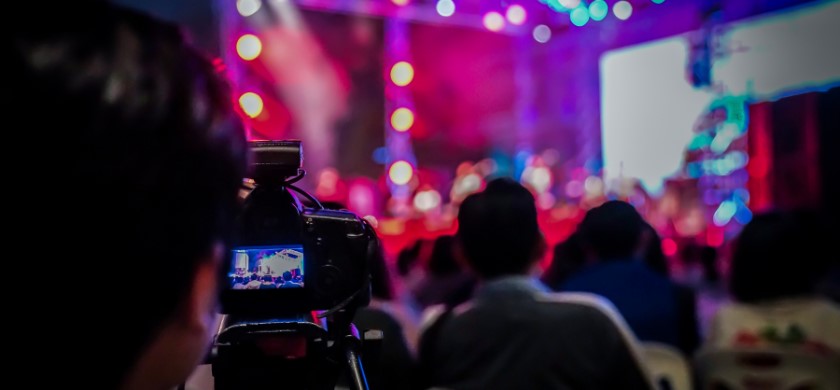
5) Corporate Event Webcasting

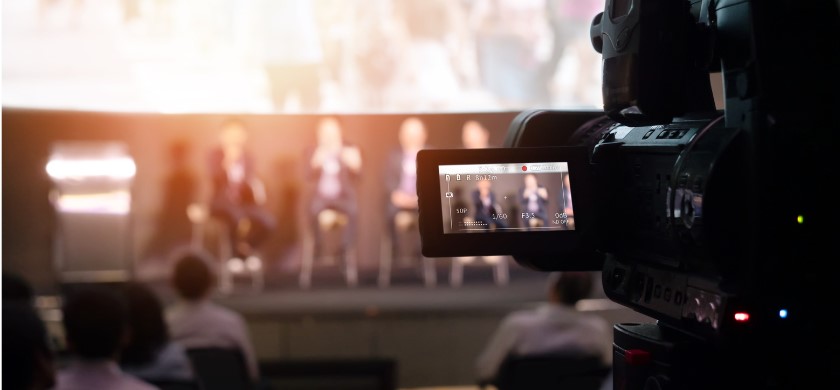
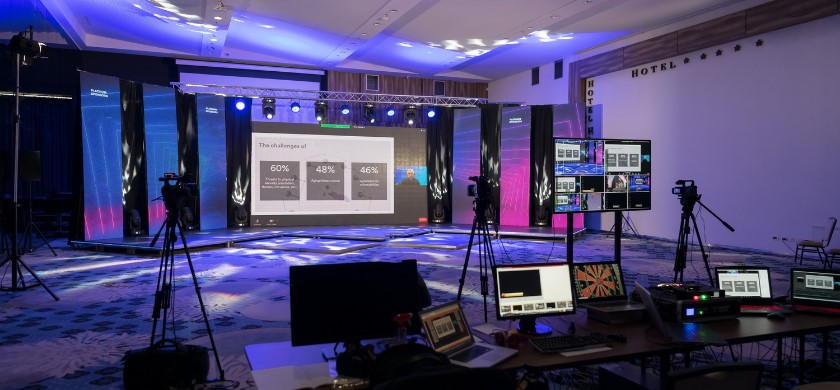
Corporate event webcasting allows organizations to broadcast their in-person corporate events to wide audiences. Next-generation networks are critical for delivering high-quality, uninterrupted streams that can handle key features of successful conference webcasts, highlighted below:

  • Live Streaming: Seamless real-time broadcasts keep both in-person and remote audiences engaged, with HD video, low-latency audio and synchronized slides or content.
  • Interactive Features: Polls, Q&A sessions and live chat during the webcast encourage active participation, driving engagement beyond passive viewing.
  • On-Demand Access: Recorded webcasts can be made available after the event, allowing attendees to catch up or revisit key sessions, all supported by secure and reliable network infrastructure.

When executed with enterprise-grade connectivity, corporate webcasting becomes a scalable way to extend event reach, amplify messaging and provide measurable engagement metrics for both live and on-demand audiences.

6) Hybrid Corporate Events 

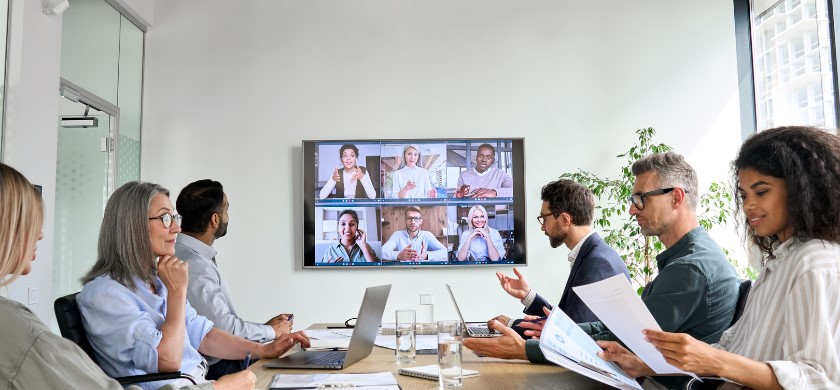
Hybrid corporate events have quickly become a standard format for organizations looking to maximize reach without sacrificing engagement; a report from Zoom found that 43% of event marketers envision holding hybrid events a few times per week, while 25% imagine they will host daily hybrid events

By combining in-person experiences with seamless virtual participation, these events depend on next-generation connectivity to deliver consistent performance across venues and platforms.. Some benefits of these events include:

  • Greater Event Engagement: High-performance connectivity supports live polls and interactive content, keeping both in-person and virtual attendees actively involved throughout the event.
  • Reaching Global Audiences: Reliable, scalable networks make it possible to stream content worldwide with minimal latency, allowing organizations to include remote participants without compromising quality.
  • Bolstered Sign-Ups & Messaging: Integrated registration platforms, event apps and digital messaging tools rely on strong connectivity to streamline sign-ups and deliver timely updates before and during the event.
  • Turnkey Event Follow-Up: Post-event surveys, on-demand session access and analytics-driven insights are enabled by robust networks that support data collection and content distribution after the event concludes.

Powered by next-generation connectivity, hybrid corporate events evolve into a true strategic advantage. With the right network infrastructure in place, organizations can extend their reach, deepen engagement and deliver measurable value long after the event itself has ended.

Support Next Generation Corporate Events With Powerful Wireless Connectivity

When corporate events are powered by high-performance, reliable connectivity, the difference is tangible: attendees stay engaged, teams collaborate effortlessly and organizations can extend their reach beyond the walls of a venue. For everything from intimate team-building games to global hybrid events, next-generation connectivity ensures every moment is memorable and impactful. 

Enter Hospitality Network. With deep expertise in deploying enterprise-grade wireless networks for hotels, convention centers and stadiums, Hospitality Network ensures event technology works exactly as intended. By building infrastructure tailored to modern event demands, we support memorable experiences that keep attendees engaged. Request a consultation today. 
Baltimore Convention Center: Lessons for IT Decision Makers

Introduction

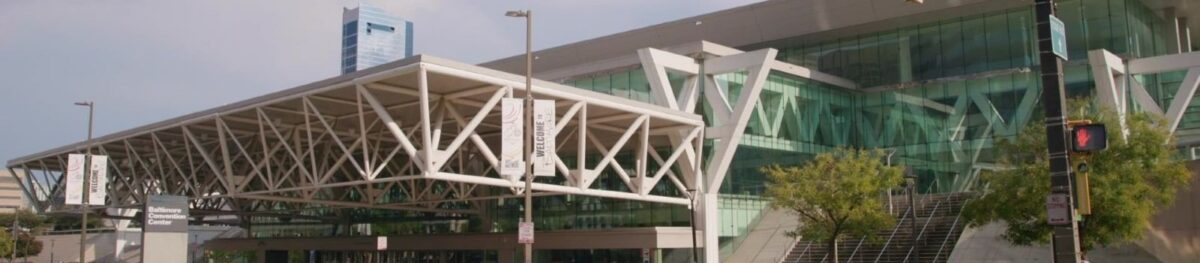
When Mac Campbell became Executive Director of the Baltimore Convention Center, he inherited a 1.2 million square foot facility running on infrastructure that hadn’t been significantly updated since the early 2000s. The building still relied on copper phone lines, and its network was so outdated that high-tech events wouldn’t even consider Baltimore as a venue option.

Today, less than a year after implementing a comprehensive technology overhaul, the convention center has transformed into an industry leader, attracting new business segments like e-gaming. The journey offers valuable lessons for IT decision makers facing similar infrastructure challenges.

When Legacy Systems Become Business Barriers

“We were in a pretty unique position coming out of COVID,” Campbell explains. “All of our revenue partners’ contracts had expired and were on extensions.” This created an unexpected opportunity to reimagine their technology infrastructure from the ground up.

Phil Costa, Deputy Director, describes the pre-transformation state: “We hadn’t had an upgrade to our network in a number of years.” The outdated infrastructure wasn’t just a technical problem—it was directly impacting business. Events were hesitant to book Baltimore, questioning whether the facility could meet their technological needs. The sales team found themselves avoiding technology questions rather than leading with them as a competitive advantage.

Strategic Approach: Partnership Over Vendor Relationships

Baltimore’s leadership sought a true partner who understood the convention industry’s unique demands. “There’s a reason why we don’t call Hospitality Network a vendor. They’re a partner,” Campbell emphasizes.

The RFP process prioritized operational impact and industry expertise. As Campbell notes, “We wanted somebody to be able to prove that they not only had the experience in this particular segment of hospitality, but really had a hunger to partner with us to drive unique experiences and not just an order form transaction.”

The Implementation: Massive Scale, Minimal Disruption

The infrastructure upgrade scope was staggering:

  • 220 new wireless access points
  • 15 miles of Cat 6 and fiber optic cable
  • 12 new network closets
  • Complete server equipment replacement
  • Transition from copper to VoIP phones building-wide

Working in a 1979 building, the team frequently discovered that paper maps didn’t match reality. Rather than letting obstacles derail the project, they collaborated to find solutions. The implementation team worked through holidays and weekends. Campbell recalls: “They were here first thing in the morning, even though it was probably their 10th hour on the job that day to meet me in my office to let me know the progress… even though I wasn’t even requiring that.”

Immediate Returns: From Pain Point to Selling Point

The transformation’s impact was immediate. Technology shifted from being avoided to becoming a primary selling point. Costa notes they now actively pursue e-gaming conferences: “We’ve already gone on sales missions with HN to go to other conferences and brought them along.”

The upgrade enabled new use cases. In one example, the convention center hosted 911 call centers from Washington D.C. “They were able to take 911 calls and do real time dispatching from the convention center and all of that went off flawlessly,” Costa reports.

Beyond Infrastructure: The Service Component

Baltimore’s transformation demonstrates that infrastructure alone isn’t enough. “You could have the best network in the world, but if you don’t have customer service or the onsite skillset to make things happen, then that network isn’t going to be fully utilized,” Costa observes.

The facility now has three full-time technicians plus a general manager on-site, backed by remote support teams. Campbell notes: “The ability to look at the network in real time and address maybe any hiccups that are happening during the event… has made a meaningful difference.”

Measuring Multi-Stakeholder Success

For Customers: Events experiencing previous connectivity issues found dramatic improvement. “There have been some that have come back here since the upgrade… and have indicated that it has been night and day,” Costa reports.

For Staff: Executive offices, break rooms, and kitchens received enhanced connectivity. The new VoIP system provided flexibility for work-life balance.

For Partners: Other service providers benefited from reliable connectivity for point-of-sale systems.

For the Business: New market segments opened up, strengthening competitive position.

Key Lessons for IT Decision Makers

1. Transform Crisis into Opportunity
The pandemic-driven contract expirations became an opportunity to reimagine technology strategy completely.

2. Prioritize Partnership Over Price
Baltimore prioritized finding a partner who understood their industry and would invest in their success.

3. Plan for Flexibility and Scalability
The infrastructure was designed for future requirements. Campbell notes, “I am very confident that during the term of Hospitality Network’s contract, we’re going to be looking at significant renovation and expansion of our building.”

4. Make Technology a Business Enabler
Rather than viewing IT as a cost center, leadership positioned technology as a revenue enabler and competitive differentiator.

5. Embrace Collaborative Problem-Solving
When challenges arose, teams worked together to find solutions. Campbell observes, “Hospitality Network acted with nothing but grace and really partnered well.”

Looking Forward: Continuous Innovation

Baltimore’s leadership recognizes transformation isn’t a one-time event. “Making sure that we’re continuing to have innovation and stay on top of the latest trends is something that we’re really excited for,” Costa acknowledges.

The convention center is exploring next-generation technologies, including enhanced digital signage and expanded outdoor connectivity. The infrastructure investment created a foundation supporting whatever emerging technologies the events industry demands.

Sustainability and Environmental Impact

Baltimore’s approach included careful attention to sustainable practices. When decommissioning old equipment, the team ensured proper recycling and disposal. “Sustainability has been a priority of our facility for a handful of years… it’s something that we pride ourselves on,” Costa notes.

Technology as Economic Catalyst

For a city-owned facility with a mission to drive economic impact, the transformation delivered on its promise. Campbell articulates: “The role of a convention center is really to be an economic catalyst, not only for local businesses, national businesses, but to create jobs for folks to really drive prosperity for not only the city but for the whole state.”

The technology upgrade directly supports this mission by attracting events bringing visitors who generate tax revenue. “When we’re doing good, then so are the restaurants and the local places around us,” Costa explains.

Final Thoughts

Campbell summarizes the transformation’s success: “I am very happy to say that I have an outlier, a positive one. Oftentimes we talk about the outlier usually being, oh, well, we don’t have a good story to share. Hospitality Network has been able to fulfill every promise… and has made a transition that hasn’t happened since the early 2000s a really smooth one.”

For IT decision makers, Baltimore’s experience demonstrates that with the right approach, even decades-old infrastructure can become a competitive advantage. The key is viewing technology as a strategic enabler of business objectives.

Costa reflects on the impact: “It really did change the entire landscape for the building and what we’re able to sell and talk to clients about. And it really gave our sales staff and the sales staff at Visit Baltimore something to be excited to brag about.”

The message is clear: legacy infrastructure doesn’t have to be a liability. With clear vision, strong partnerships, and commitment to excellence, even the most daunting infrastructure challenges can be overcome—and turned into competitive advantages. The Baltimore Convention Center’s transformation from tech laggard to industry leader shows the way forward.

Anatomy of a Smart Convention Center: Key Solutions Across Guest Touchpoints

Smart Convention Technology That Guides Attendees from Entrance Through Engagement

Elevate experiences at your convention center with a technology-driven opportunity at every guest touchpoint. From guest arrival to the final keynote or hybrid streaming session, each moment is a chance to streamline operations.

Smart convention centers integrate IoT devices, cloud-based systems, and sustainable practices to create venues that are safer, more engaging, and more efficient than ever before.

We’ll guide you through the anatomy of a smart convention center, uncovering how strategic innovations across touchpoints such as entrances, security, booth designs, and beyond can transform events into seamless, memorable experiences.

Guest Journeys Through Smart Convention Centers

Guest touchpoints define the journey through convention centers. In a smart convention center, technology minimizes friction and keeps visitors connected, engaged, and impressed.

By integrating IoT systems, mobile solutions, and sustainable practices, venues guide attendees seamlessly through entrances, security checkpoints, exhibit halls, and auditoriums. 

Intuitive, Smart Mobile Ticketing at Entrances

Naturally, your guests start their journey at the convention center’s entrance. Convention center entrances can often be neglected as a part of the guest experience. At best, neglected convention center entrances are hardly noticed; at worst, they set a negative first impression that’s hard to recover from, resulting in:

  • Long lines leading to obstructed walkways and anxious guests.
  • Confused attendees unsure about where, when, or how to enter your convention center.
  • Missed appointments and speakers, forcing guests to miss integral reasons they attended convention centers to begin with.
  • Potential loss of repeat attendees and vendors without engaging information that encourages them to return next year.

Avoid these potential consequences for poor execution and optimize your convention center’s entrance to delight your guests and drive revenue. 

Mobile ticketing is a key way to streamline these entrances and ensure positive experiences. Guests can access their tickets at a moment’s notice, lowering wait-times as they enter your convention center with efficiency. 

According to Ticketmaster, mobile ticketing adoption grew by 50% in 2024, and mobile-first strategies resulted in a 2.2x higher gross transaction value from in-app purchases at events. Implement quick, easy mobile access and purchasing options to improve guest satisfaction and grow your bottom line. 

Seamless, Easy Attendee Security

Security at your convention center’s entrance is essential. Violent attacks at convention centers have become a rising threat while Statista estimates that cybercrime will cost businesses up to $10.5 trillion by the end of 2025. Spaces dense with high net-worth individuals such as convention centers face particular risk. 

Convention center security should be a top priority across guest touchpoints in your venue. Key integrations made accessible via recent technology include:

  • Online-Connected Surveillance Cameras: Stream real-time footage to IoT-enabled devices, allowing security teams to monitor attendee locations and quickly respond to suspicious activity.
  • Checkpoints with Mobile Check-In: Track attendee movement using mobile ticket scanning at multiple checkpoints, enabling real-time location data and faster response during security incidents.
  • Securing WiFi Networks with Passwords & Verified Captive Portals: Protect networks from unauthorized users with rotating passwords and captive portals that verify user identity while tracking access activity.
  • Restricted Access to Dangerous Websites: Use DNS filtering to block malware-infected or phishing websites, reducing the risk of cyberattacks and safeguarding attendee and venue data.

Engaging IoT Booth Design

Booths are one of the main guest touchpoints for attendees. Booths foster connections, introduce guests to new business opportunities, and offer exciting tech experiences.

Interactive trade show booths wow event attendees and make an impactful statement. Modern IoT booth design can improve guest experiences in diverse ways, including through: 

  • Social Media Integration: Incorporating live social media feeds and real-time interactions boost engagement, showcase products to a wider audience, and strengthen online presence.
  • Live-Streaming Display Screens: Using dynamic screens to broadcast demos, presentations, and product launches both on-site and online keeps messaging responsive and engaging.
  • Virtual Technologies (AR & VR): Enhancing booths with immersive AR overlays and VR simulations offers interactive product experiences that attract attendees and extend reach to digital audiences.
  • Digital Touchpoints for Data Collection: Deploying kiosks and mobile devices to gather attendee data enables personalized experiences, targeted follow-ups, and stronger customer relationships.

These solutions and more keep guests engaged across your venue, flooding events with interactive, appealing touchpoints. 

Engaging IoT Booth Design

Sustainable Waste Management & Water Usage

Bathroom facilities are another often ignored guest touchpoint within convention centers. Like convention center entrances, poorly-maintained bathrooms can leave a bad impression and waste substantial resources, leading to loose trash and wet floors. 

Using sustainable IoT technology, convention centers can minimize waste while maintaining pristine restrooms. Modem sustainability trends in convention centers include:

  • Waste Management Programs: Reduced environmental impact of high attendee waste volumes through strategic disposal methods, recycling efforts, and the use of green materials.
  • Energy-Efficient Maintenance: Lowered waste and resource misuse during facility upkeep by adopting sustainable cleaning practices and proactive repair strategies.
  • Minimized Water Usage: Addressed water shortages with bottle refill stations, drought-resistant landscaping, and wastewater recycling to conserve resources and reduce costs.

These programs create better guest experiences by minimizing waste and resources in restrooms, making them easier to maintain and delivering more consistent, positive experiences.

Awe-Inspiring Auditoriums for Keynote Speakers

Convention centers serve as the backdrop for groundbreaking announcements, thought-provoking panels, and keynote speakers who draw massive audiences, making auditoriums yet another key guest touchpoint. 

An auditorium designed to inspire creates unforgettable experiences that amplify the speaker’s message. From acoustically engineered sound systems to dramatic lighting and expansive sightlines, modern auditoriums combine architectural brilliance with cutting-edge technology to captivate audiences.

These spaces often integrate high-definition LED walls, live-streaming capabilities, and immersive audio to ensure every attendee, whether in the back row or tuning in remotely, feels engaged. 

Flexible seating arrangements and modular stage designs allow for seamless transitions between presentations, performances, and interactive Q&A sessions. By blending design, comfort, and state-of-the-art tech, awe-inspiring auditoriums transform keynote speeches into powerful, memorable events that resonate far beyond the convention walls.

Awe-Inspiring Auditoriums for Keynote Speakers

Hybrid Streaming To Reach Worldwide Attendees

One final touchpoint reaches guests beyond your venue; hybrid streaming allows digital guests to interact with your convention center thanks to modern connected technology. Markletic found that 71% of organizations with 5000 or more employees had hybrid events in their portfolio. Many convention center attendees will expect some hybrid aspect to interact with industry professionals outside the confines of your venue.

Virtual guest touchpoints offer benefits to convention centers including: 

  • Enhanced Engagement: Enable remote attendees to communicate and network with peers as if they were on-site.
  • Global Connectivity: Effortlessly link professionals worldwide through live conference sessions and meetings.
  • Increased Event Excitement: Boost attendance and encourage easy, shareable online registrations with minimal barriers.
  • Streamlined Post-Event Follow-Up: Deliver instant survey prompts via hybrid platforms and provide in-person attendees with access to recorded content.

Strengthen Smart Convention Center Experiences With Hospitality Network

Every guest touchpoint within convention centers gives your venue a chance to leave lasting impressions. The smart technology we’ve shared ensures those impressions are largely positive. By embracing solutions that prioritize security, engagement, sustainability, and connectivity, convention centers meet the evolving expectations of modern attendees while future-proofing their operations. 

From mobile ticketing to immersive auditoriums and hybrid streaming, these innovations work together to create events that resonate both in-person and online. With the right technology partner, such as Hospitality Network, convention centers can confidently deliver smarter, more connected experiences that stand out in today’s competitive event landscape. Contact us today and learn how Hospitality Network can support innovative guest touchpoints in your venue.

Internet for Events: Build a Foundation for Seamless Experiences

Why Event Internet Services Matter More Than Ever

In today’s event landscape, internet connectivity is the backbone of the entire guest experience.

From livestreaming and interactive apps to IoT-powered security and immersive AR activations, nearly every aspect of modern events depends on a reliable, high-capacity network.

To keep pace with rising expectations and cutting-edge industry technology, organizers need event networks designed to handle evolving demands.

Read on to learn about the specific pieces of technology making event internet services more essential than ever and common network pitfalls to avoid.

Why Does Wireless Internet for Events Matter Now More Than Ever?

Event guests expect instant, always-available connectivity. Whether they’re streaming, engaging through apps, or exploring immersive AR and VR activations, reliable wireless internet is essential for guests. 

Event organizers, meanwhile, rely on connected tools for analytics, operations, and security. With this dual demand from both guests and staff, a dependable event internet network is critical to delivering seamless experiences.

Exciting New Pieces of Event Technology Reliant on Event Networks

Powerful wireless internet supports innovations built for event guests and venue personnel alike. Pieces of technology must-haves that depend on event networks include, but are not limited to:

  • Extended Reality Event Experiences: Virtual Reality (VR) and Augmented Reality (AR) experiences leverage internet connections to access immersive guest experiences.
  • IoT Connected Event Security: Both physical and cybersecurity innovations rely on wireless network access.
  • Audience Engagement Tools: Online-connected engagement tools gather information via hybrid Q&A sessions, audience engagement polls, and more.
  • Integrated AI Experiences: Guests can engage with online support chatbots, while event organizers can access online databases built for comprehensive analytics.

Wireless internet access is and will continue to be crucial. It’s up to your event team to find a network provider that can support your future.

Why Does Event Internet Fail? Common Factors & Essential Solutions

Event internet fails for a variety of reasons, from installation issues to overuse or even bad actors. Proactive solutions may include:

  • High-density WiFi design
  • Infrastructure upgrades
  • Advanced cybersecurity measures
  • 24/7 support 

Transform vulnerable event networks into reliable, future-ready systems with these solutions. Below, learn more about some of the common causes for event inherent failure and how to solve them.

Not Enough Event Bandwidth

Due to high volume network needs, it can be tricky to implement the necessary bandwidth to support all devices at large events. Here’s a quick breakdown of how bandwidth works:

  • Bandwidth is measured in Mbps, or megabits per second
  • Mbps is a measurement that analyzes the amount of data that can travel between two points within a network at any given second
  • When the devices in your network transmit more Mbps than your network can handle, data information transfer in your network slows down.

Think of data like water in a pipe. As long as the volume of water flowing through your pipe remains below a certain level, your pipe should run smoothly. Once the water exceeds that level, however, your pipes will slow down or burst. The same logic applies to data and bandwidth.Once data on your network exceeds your network’s Mbps, your network’s “pipe” will struggle to transmit data at an effective rate.

With big crowds, innovative devices, and multi-device livestreams, events are at particular risk of not having enough bandwidth. Unsuitable bandwidth at your event can frustrate attendees, staff, and performers, ruining event experiences across the board.

How to Solve Low Bandwidth Event Networks

High-capacity (also known as high-density) event WiFi networks solve issues with low-bandwidth within your event venue. 

These networks are built specifically to sustain the needs of densely-populated event networks, using a curated mix of routers, access points, and cabling installed specifically for your venue’s layout. 

Skilled event network providers will identify your venue’s exact needs, building specific solutions tailored for your events.

How to Solve Low Bandwidth Event Networks

Poor Event Network Infrastructure

Low bandwidth is often a side effect of a poor overall event network infrastructure. Many event networks are built using technology that was once modern but has grown outdated through years of neglect and unadapted innovation. Poor pieces of event network infrastructure commonly found in venues include:

  • Misplaced routers located in spots prone to spotty network access, whether due to poor initial placement or new construction.
  • Old cabling systems, non-compliant with current industry standards and incompatible with latest network technologies.
  • Outdated software that’s missing essential software updates or lacking continuous, current support.
  • Limited scalability due to poor network foundations and a lack of response plans in case of full network crashes.

How to Solve Poor Event Network Infrastructure

Hiring an event WiFi provider specialized in building durable, adaptable networks is the key to fixing event network infrastructure. Experienced providers can build networks both from scratch or using existing network infrastructure, salvaging parts to create networks that work as good as new. 

Event network standards are continuously growing in scope and speed. Good providers also know how to build infrastructure scalable for the future. 

Event Network Cyberattacks

Even networks with powerful bandwidth and rock-solid infrastructure can face massive slowdown and complete failure due to cyberattacks.The cost of cybercrime is expected to rise to nearly $24 trillion by 2027, and events are full of devices primed for targeting. Cybercrime takes all kinds of forms, including: 

  • Ransomware software that prevents event attendees from accessing essential technology solutions until users pay a ransom to bad actors.
  • Dangerous websites disguised as trustworthy, leading to fraudulent pop-up ads and forced, dangerous downloads.
  • DoS and DDoS attacks designed to overwhelm system resources and disrupt provider abilities to respond to real service queries.
  • Phishing emails, messages, and network log-ins built to socially engineer fake scenarios where attendees may give up valuable information.

How to Counter Event Network Cyberattacks

Protecting your event network users from cyberattacks requires a diligent, constantly evolving commitment to your event network cybersecurity. Just as bad actors are always searching for new ways to attack your users, event network providers must continuously search for innovative methods to counter these attacks. Recent solutions that are absolute necessities for network cybersecurity include:

  • Verified captive portals that present terms & conditions pages and email address sign-on to networks, tracking network use and keeping out bad actors.
  • Restricted access to dangerous websites using DNS (Domain Name System) filtering.
  • Thorough risk assessment of incidents at similar events, high-risk individuals, and potential security compromises to avoid.
  • Dedicated live resources that monitor network performance and abnormalities, ready to proactively stop potential sources of danger.

Unreliable Event Internet Support

Network support services are important for solving network issues, from malicious cyberattacks to less sinister slowdowns. Some event WiFi providers fail to offer access to human help or phone support lines, instead relying on online frequently asked questions (FAQ) pages. If a network question isn’t answered on that page, event organizers using these providers are out of luck.

How to Solve Unreliable Event Internet Support

Across event-planning and the events themselves, event network support is often required at all times of day. 24/7 technical support ensures your event staff can access troubleshooting whenever it’s needed. Hiring an event network provider that offers this type of support is crucial if you want holistic, constantly reliable network access.

How to Solve Unreliable Event Internet Support

Work With Hospitality Network to Build Event Networks You Can Trust

Every successful event rests on a foundation of strong, dependable connectivity. At Hospitality Network, we specialize in designing, installing, and supporting custom WiFi solutions tailored to the unique demands of event venues. From high-capacity bandwidth and IoT-ready infrastructure to advanced cybersecurity and round-the-clock technical support, our solutions ensure your event network performs when it matters most. Partner with us to deliver the seamless, reliable internet experiences your guests and staff expect. Contact us today to get started. 

Top 10 Technology Must-Haves for Modern Events

Modern event guests expect seamless, connected, and memorable experiences powered by technology. From smarter concession solutions to AI-driven personalization, today’s event tech sets the stage for efficiency, engagement, and excitement.

Technology & Industry Trends Reshaping Trade Shows and Events

As conventions, summits, and trade shows once again take center stage, venue managers face stiff competition. Event planners want to deliver a unique experience, and they’re looking for the best location to have it. Leaders can take advantage of technology and industry trends to differentiate their offerings while reducing costs. Discover 10 event technology trends you can use to spice up your venue and help improve exhibitor and attendee experiences.

What is a High-Density WiFi Network and Why Modern Venues Rely on It?

Today, convention center WiFi networks must support a multitude of wireless devices and technologies. Attendees connect to WiFi on several devices, also known as WiFi “clients” — smartphones, smartwatches, laptops, and tablets — as exhibitors live stream in conference rooms, utilizing new contactless technologies to enable seamless events. All of these devices and capabilities depend on an adaptable WiFi network.

High-density WiFi networks are an incredibly capable solution for areas with a high number of clients for a limited number of access points within a space. Let’s dive into how and why high-density WiFi networks are a valuable option for convention centers.

What is a High-Density WiFi Network, and Why Do Convention Centers Need Them?

This type of network strategy is essential for highly congested spaces such as convention centers, sports stadiums, and concert venues. When hundreds or thousands of users are accessing the network simultaneously, conventional wireless networks are quickly pushed beyond their limits, resulting in slow internet or none at all. High-density wireless networks are designed to prevent this and enable flawless wireless connectivity. Whether a crowd gathers in a conference room or hundreds of individuals check emails from their smartphones simultaneously, high-density networks guarantee fast, reliable WiFi.

The Best Practices for High-Density WiFi Design

For bustling venues like convention centers, a well-designed network is crucial to ensure all areas of the building have high-performing WiFi, no matter how many devices are connecting to the network. Here are four of the best design practices for high-density WiFi networks.

1. Identifying High-Density Areas and User Requirements

High-density areas are places in the convention center where many users connect to the network using one access point. These areas may include public spaces, exhibition spaces, and conference rooms. The high-density network design should always begin with identifying these areas to help inform future decisions in the design.

It’s also necessary to learn what kinds of activities will be taking place in high-density areas within the convention center. For example:

  • Will attendees purchase food via contactless payment?
  • Will attendees browse social media and check email?
  • Are attendees live streaming during the event?

The high-density network design should take into account the activities users are conducting on their devices and how many devices they’re likely to use. This will later help determine the amount of bandwidth needed.

2. Implementing Overlapping Access Points (APs)

Once high-density areas have been identified, overlapping access points should be incorporated into the network design. Access points can easily become overloaded if only one is available to a client device in a given area. Every client should always see two to three access points. If one or two of the APs become overloaded, the client can be directed to another access point, which prevents a negative experience for the end user. Implementing multiple access points in busy areas will trigger client devices to automatically balance out.

3. Deploy Wireless Monitoring

While thorough design and implementation are necessary to the efficacy of the network, ongoing network management prevents potential WiFi problems. It’s beneficial to use a wireless network monitoring solution that helps administrators easily troubleshoot and respond to issues. Ongoing management also ensures the network is functioning and doesn’t need further upgrades or changes.

4. Upgrading Networks to Ensure Appropriate Bandwidth

Did you know different types of applications have different WiFi bandwidth requirements? While email or messenger apps require little bandwidth, other activities like video calls or live streaming utilize much more. It is also important to remember that some users will be running multiple apps on their devices simultaneously, so the WiFi network needs to be able to support multitasking on devices. Today’s modern convention centers need increased bandwidth and high-speed WiFi to support the amount of technology and users in their spaces.

How, then, can convention centers upgrade their networks to ensure appropriate bandwidth? An experienced convention center WiFi provider can help.

Upgrade Your Convention Center’s Network with a High-Density WiFi Solution

Our team of professionals can help design, install, and manage your convention center’s network, so you can enhance your guest experience without worrying about technical infrastructure. Not only is high-density WiFi key to successful events, but it also positions your convention center as a high-tech designation for future customers. While free high-speed WiFi gives your space a competitive advantage, it’s quickly becoming the industry standard.

Contact us today and request a consultation to see what a high-density WiFi solution can look like for your center.

5 Convention Center Industry Trends Leveraging IoT Technology

Discovering Convention Center Technology Trends

Convention centers are evolving. As IoT technology continues to become normalized within consumer expectations, event venues need to make sure they remain on top of industry trends to keep customers happy. Consumers expect intuitive IoT upgrades at their event; we’re here to help.

Below, explore 5 convention center technology trends to keep an eye on.

  1. Reliable Network Access Points Across Venues
  2. Real-Time Updates Within Event Screens
  3. Personalized Live Video Streaming
  4. Complimentary WiFi for Attendees, Built Into Event Pricing
  5. Customized Branded Network Landing Pages

1. Reliable Network Access Points Across Venues

WiFi access points refer to the networking devices that allow devices outside of a network (i.e. phones, tablets, laptops) to wirelessly connect for internet use. For users to gain consistent internet connectivity within a venue, convention centers need to skillfully and purposefully place access points throughout a venue.

Outdated convention centers often fail to offer reliable network access due to poor placement of access points. In older venues, access points are placed distant from each-other, creating dead zones within a venue — spurring attendees to “search for a signal” within a hectic, crowded event space. WiFi access points are also frequently placed in areas that obscure signals, such as behind an event fixture, further weakening the signal of already unreliable access points.

It’s essential for modern convention centers to allow event attendees to access WiFi in any part of a venue — to do so, they need to avoid these common access point pitfalls and commit to expansive wireless access point placements. The Las Vegas Convention Center, for example, has 2,800 WiFi access points, providing facility-wide coverage that keeps guests, booths, and exhibitors connected.

2. Real-Time Updates Within Event Screens

The image of modern convention centers is defined by vibrant screens; bulky, cumbersome physical signage has been replaced by adaptable monitors displaying information catered specifically to event attendees and leveraging skillful graphic design. These screens save waste, cut costs on printed materials, and lower the time it takes to set-up for new events.

Leveraging connections from more reliable access points, convention centers can provide real-time event updates via digital signage. Whether with screen mirroring or more extensive software, event screens can display updates such as room changes for meetings, reminders for important speakers, and even wayfinding updates to guide attendees to important locations. Powered by IoT, event screens offer valuable utility to event organizers.

convention center event video live streaming

3. Personalized Live Video Streaming

In sprawling convention centers, it can be difficult for attendees to catch every moment; due to busy schedules, essential meetings may need to be held as an important speaker orates across a venue.

While necessary, these sacrifices can be minimized using IoT technology. Modern events often stream speakers for wider-spread consumption over the internet — WiFi within convention centers can leverage these streams from within a venue. Connected to convention center screens, event organizers can stream speakers throughout an event as they speak — allowing attendees to tune in and out as they need to and stay connected to convention happenings. These live streams can also help engage users who were unable to attend the event in person, helping broaden the audience of the convention beyond physical attendees.

In addition, these streaming capabilities can extend beyond speakers. Via internet connections, attendees can watch the news, documentaries, and even access streaming services — an increasingly important accommodation within the hospitality industry. Whatever the use, reliable video streaming can help blow event attendees away.

4. Complimentary WiFi for Attendees, Built Into Event Pricing

One concern convention centers often have about WiFi installation is network cost. Lightning-fast, high-bandwidth network options cost more than less reliable alternatives, and in turn occasionally force convention centers to pay a premium for services. These expenses put convention centers in a tough spot — do event attendees have to pay for better WiFi? Should venues charge in tiers for WiFi access?

The industry is trending towards a far simpler solution — offering complimentary WiFi for attendees, pre-built into event pricing. As opposed to complicating engagement with different payment plans and flexible tiers, convention centers can offer one comprehensive WiFi option as part of renting out the venue. With this shift in marketing, convention centers can turn their responsive WiFi into a selling point, rather than a detriment.

branded wifi landing pages for convention centers

5. Customized Branded Network Landing Pages

Landing pages are the pages event attendees use to log onto WiFi networks, often requesting information such as name, cell phone number, or other verifying factors to ensure only event attendees can access WiFi. For large venues such as convention centers, landing pages can serve as an essential step to secure your network. Their utility, however, expands beyond privacy.

Branded network landing pages turn traditional landing pages into an opportunity to market, and can be especially useful for convention centers. Depending on the event, venues can advertise keynote speakers, premium experiences, and even upcoming events — all turning landing pages into a valuable place to increase ROI.

Adapting to Convention Center Industry Trends

As industry standards for convention centers continue to advance, you need a partner to ensure your venue stays up-to-date. We remain at the cutting edge of convention center technology — building smart venues with high-speed connectivity in mind. Our suite of solutions is trusted amongst industry-leaders, including providing internet to the 4.6 million-square-foot Las Vegas Convention Center.

Don’t let your convention center fall behind. Request a consultation today and stay on top of convention center industry trends — both now and later.

Conference Webcasting: How to Stream From Convention Centers

Support Conference Webcasting with High Speed Connectivity

Convention centers & special events have evolved with improving technology. Amongst several exciting technology trends, — How, then, can convention centers support this new technology?

Read on for a definition of conference webcasting, how it differs from web conferencing, and what technological infrastructure your convention center needs to support this new increasingly important capability.

What is Conference Webcasting?

Webcasting generally refers to any live or on-demand video that is streamed online. Webcasts can refer to both in-person presentations, simultaneously performed with a live audience and streamed for real-time or delayed consumption, and live-streaming particularly for the online medium, such as video game streamers.

Conference webcasting, then, refers to an in-person presentation streamed live or on-demand over the internet. This may include keynote speakers at a conference, roundtables featuring industry-leaders, or live Q&A sessions featuring camera angles of audience and speakers alike.

Conference Webcasting vs. Web Conferencing

A web conference is an online event specifically catered towards the online space — including options to chime in virtually, share screens, present slides, and generally take an active role in the conference despite not being in-person at a conference center. Oftentimes, web conferencing does not take place in any one physical location — instead, it features dozens of users all meeting in one digital location.

As opposed to conference webcasting — which provides non-interactive, linear access to in-person conference events and acts as a livestream for non-attendees — web conferences offer a more interactive online conferencing experience, specifically designed to replicate the feel & participation of a traditional, in-person conference for online attendees.

Web conferences are ideal for bringing together professionals from diverse, far-reaching localities; for organizers already running in-person events, however, conference webcasting will likely have more utility.

how to stream from convention centers

When Should Conferences Utilize Webcasting?

Webcasting is ideal for conferences with exciting panelists & speakers that event-planners want to share to a greater audience.

Conferences often pay top dollar to bring engaging, industry-leading voices to speak to event attendees. Webcasting provides a means to showcase these voices across the internet — whether through social media platforms such as LinkedIn and Facebook or dedicated streaming platforms such as YouTube or Twitch.

Webcasting can also help companies assert themselves as industry leaders. By offering streamed conference presentations on-demand after the fact, the reach of a conference can extend far beyond its initial dates — attracting more attendees for the next event.

How Can Convention Centers Enable Conference Webcast Solutions?

To enable conference webcast solutions, convention centers need to implement relevant streaming and network infrastructure. High-quality streams require crisp audio & visual equipment to capture footage, alongside reliable WiFi networks for speedy streaming.

Cameras

High-quality cameras ensure online viewers gain a crisp, accurate look at conference speakers and panelists. We recommend cameras that can stream in 4K (4,000 x 2,000 pixel resolution) for the crispest, most impressive resolution for event live-streamers. If those cameras are out of budget, however, even an iPhone camera can reliably film and stream events.

Conference centers should also consider how they want to film events. Is a single camera enough? What would a multi-camera set-up entail? The answers to these questions will vary based on your conference’s unique needs and should be considered early in the planning process.

Audio Equipment

Because conferences tend to take place in large rooms with echoing acoustics, using the native microphone of a camera will result in spacey, hard-to-follow audio for webcasting. In turn, recording audio using specific microphones on conference speakers is absolutely essential to webcasting.

Audio can be recorded via microphones lapelled to a speaker’s clothing. Alternatively, conferences can record audio natively through the microphones speakers use to present in the first place.

Properly syncing audio and video is also of the utmost importance. Any on-stream delay between audio and video will look unprofessional and detract from the quality of your stream.

Desktops, Laptops, or Tablets

Whatever the means, convention centers need some sort of smart device to act as the control center for webcasting. Streams need one central source to connect to streaming platforms; meanwhile, another device should have a live view of the stream open at all times to monitor viewer perspective.

Wireless Network

Live-streaming video without lag or delays requires an incredible amount of bandwidth; YouTube recommends a 20,000-51,000 Kbps for the highest quality of video streaming. In turn, it is essential for convention centers planning to support web conferencing to have a powerful, high-bandwidth wireless network connection.

Unreliable networks will cause streams to sputter, video quality to fall, and, at worse, cause a stream to fail altogether. These issues can tank the quality of a webcast, and ruin the ability to play the presentation back after the fact.

how can convention centers enable conference webcast solutions

Powering Conference Webcasting With Responsive Internet Connectivity

Conference webcasting is an excellent way to broadcast influential speakers and panelists across the internet. By broadcasting powerful presentations, conferences can assert themselves as industry leaders and convert more attendees & members in the future. In order to support conference webcasting, however, convention centers need the correct infrastructure — including reliable internet access.

We offer powerful WiFi network design and implementation for convention centers — supporting smart solutions such as simultaneous conference webcasting. Request a free consultation with our team today.

The Benefits of Hosting Hybrid Conference Events for Convention Centers

How Venues are Adapting for Hybrid Conferences

Hybrid conference events are the future of conference centers. According to Statista, 57.7% of companies surveyed expected to increase their budget for online events in 2021. Additionally, in 2022, Markletic found that 71% of organizations with 5000 or more employees had hybrid events in their portfolio. With a massive wave of acceptance across industries, the importance of incorporating hybrid technology into conference centers is clear.

How, then, can conference centers leverage hybrid events within their programming? This comprehensive guide has everything you need to know, including a definition of hybrid conferences, benefits, and best practices.

What are Hybrid Conferences?

A hybrid conference refers to any conference that includes both in-person and remote attendees through the incorporation of IoT technology. They are a merger of in-person events and virtual-only events, combining the best features of both to achieve a holistic, mixed experience — hence the “hybrid” descriptor.

To achieve a hybrid conference, organizers need to harness a potent mix of IoT technology. These may include a dedicated hybrid event platform, appropriate cameras & audio equipment for speakers, and reliable convention center internet connectivity to ensure stable access for virtual attendees.

what are hybrid conferences and hybrid meetings

Benefits of Hybrid Events for Conference Centers

In an increasingly connected world, hybrid events offer accessible, intuitive ways for conference centers to extend their reach and increase their business. Here are a few of the specific benefits of hybrid events for conference centers.

With Hospitality Network HSIAWithout Hospitality Network HSIA
Expanded EngagementAllow for conference communication & networking between attendees hundreds of miles away.Lower Industry ImpactEliminate key virtual networking opportunities and chances for greater industry engagement.
Broader Worldwide Reach Seamlessly connect professionals across the globe throughout conference speakers & meetings.Restricted Audiences Limit the impact of conference speakers & events to a local (rather than global) scale.
Greater Event Anticipation Raise attendance numbers and promote sharable, low-risk online conference sign-ups.Reduced Participation Restrict maximum attendance numbers and minimize overall number of sign-ups.
Easier Attendee Follow-Up Send immediate survey CTAs through hybrid platforms & entice in-person attendees with access to filmed content.Diminished Feedback Insights Collect less long-term and short-term information about attendee experiences.

Broader Worldwide Reach

Conference organizers go through painstaking measures to deliver the best event possible for attendees. From industry-leading speakers to highly beneficial networking events, attendees leave conferences with increased knowledge and valuable new connections. Unfortunately, due to the physical proximity of conference centers, the reach of in-person events is inherently limited.

Through hybrid events, the reach of conference centers becomes limitless. Networking, speakers, presentations — all become accessible worldwide with hybrid events. With expanded reach, a conference overcomes geographic limitations and expands brand power, potentially leading to more diverse in-person conference attendance down the line.

Expanded Engagement

Alongside broader world reach comes expanded event engagement at large. Modern IoT technology allows organizers to give real-time event updates on dazzling event screens. For hybrid conferences, these screens can even further connect in-person and online attendees.

Organizers can send out real-time surveys about industry topics to all hybrid event attendees for a comprehensive, diverse data-set. Screens can also show highlights from both online and in-person sides of the conference, and allow for communication & calls between attendees hundreds of miles away.

Greater Event Anticipation

With hybrid events, organizers can greatly increase engagement & anticipation during pre-event roll-outs. Online sign-ups for hybrid conferences are sharable and low risk for attendees, spurring greater attendance numbers to further promote high sign-ups conference marketing. Additionally, with an inherently online component, attendees may feel more inclined to interact with virtual posts and promotions at large.

Easier Attendee Follow-Up

Conference attendee follow-up is key to improving future events; surveys can give organizers valuable feedback on speakers, event organization, and overall event experience. Due to the frequent need for travel during in-person conferences, however, it can be difficult to track down guests for feedback post-conference.

Hybrid conferences offer extensive new ways to reach attendees post conference — for those that attended both in-person and virtually. Organizers can reach virtual attendees as soon as a conference finishes by giving immediate survey CTAs through hybrid conference platforms. Meanwhile, organizers can entice in-person attendees by offering free access to filmed and online conference content as soon as they fill out a survey.

best practices for hosting hybrid events

How do Hybrid Events Work? Best Practices for Hosting

Hybrid events work by combining engaging in-person events with IoT technology specifically designed for hybrid events. When hosting a hybrid event, it’s essential to skillfully leverage this technology in order to satisfy all conference attendees. Some of the most important pieces of technology for hybrid events include hybrid conference platforms, webcasting equipment, and reliable internet access.

Dedicated Hybrid Conference Platforms

To successfully launch a hybrid event, organizers need to ensure intuitive event access to all attendees, regardless of how they’re attending. The best way to do this is through a dedicated hybrid conference platform.

Hybrid conference platforms offer a holistic means to integrate all attendees into one unified event population. These platforms include intuitive chat sections for interaction during presentations, online event registration, personalized agendas, engagement features such as polls & word clouds, and more. To streamline your hybrid event, leveraging a platform is key.

High-Quality Webcasting Integration

Most hybrid platforms will offer a means to stream, or “webcast” conference presentations and speakers. In order to provide a high-quality stream, however, conference centers need appropriate, high-quality video & audio equipment.

These may include cameras that can stream in 4K (4,000 x 2,000 resolution), lavalier microphones directly pinned to speaker clothing, or even iPhone cameras depending on an event’s needs & budget. For a more complete guide to webcasting, check out our blog on the topic.

Reliable, High-Bandwidth Internet Access

Whatever equipment or platform you choose to support your hybrid conference, the most essential technology to tie it all together is a high-bandwidth, reliable conference network solution.

Hybrid events need strong internet access twofold; firstly to ensure all in-person attendees can consistently access internet-enabled activities, and secondly to ensure there are no gaps or interruptions for virtual attendees. Either way, hiring a trusted convention center WiFi provider to install a network at your venue is essential.

Hybrid Conference Events & IoT Technology

Hybrid conference events offer substantial benefits for organizers, attendees, and conference centers alike. To successfully host a hybrid event, conference centers need the appropriate technology — altogether backed by reliable internet connectivity.

We offer powerful internet network installation for businesses across the hospitality industry, including conference centers. Our team works hands-on with your team to pinpoint the best plan for installation at your venue. Request a consultation today and start taking the steps to support hybrid events.

How Hybrid Conferences Benefit Convention Centers Infographic (Free Download)

Hybrid Conference Benefits Convention Centers Infographic

Ready to Transform Your Hospitality Venue?

Get a Consultation with one of our Hospitality Technology Experts!

This field is for validation purposes and should be left unchanged.
Full Name(Required)
Choose Your Venue / Interest Type: