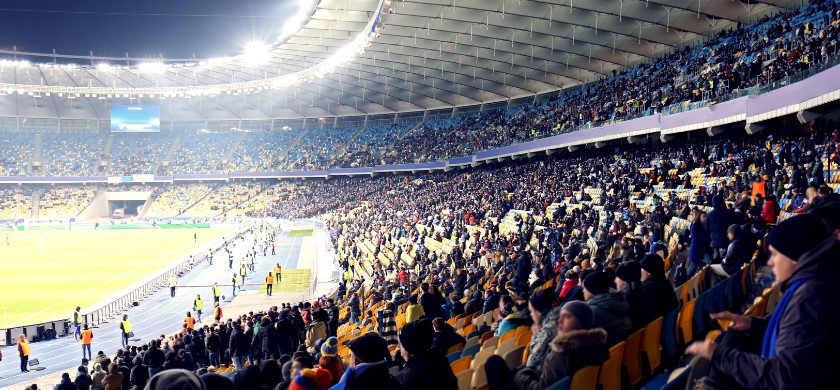
Top 10 Technology Must-Haves for Modern Events

Modern event guests expect seamless, connected, and memorable experiences powered by technology. From smarter concession solutions to AI-driven personalization, today’s event tech sets the stage for efficiency, engagement, and excitement.

How to Create a High-Converting Guest WiFi Splash Page for Hotels

Create Hotel WiFi Splash Pages That Drive Conversions & Upsell

In today’s digital-first hospitality landscape, your hotel’s WiFi splash page is a golden opportunity to make a branded impression and drive revenue.

What is a WiFi splash page? When a guest connects to your WiFi, they are automatically redirected to a login screen known as a WiFi splash page.

Hotels can create high-converting guest WiFi splash pages by spotlighting key amenities, promoting upsells, and focusing on clear, consistent design choices. In this guide, we’ll show you how to create a high-converting guest WiFi splash page that aligns with your brand and supports your hotel’s business goals. Read on to discover more.

Key Branding Opportunities on Hotel Guest Splash Pages

Functionally, hotel WiFi splash pages exist to get guests signed in to your WiFi network. However, like any other aspect of your hotel, WiFi splash pages are also an integral touchpoint to connect with guests through their experience at your property. Accordingly, making sure your splash page aligns with your brand identity is essential to crafting a cohesive guest experience. Here are some key ways to tie-in hotel branding to your hotel guest splash pages.

Match Brand Colors & Imagery

When designing your splash page, make sure colors, fonts, and imagery align with what your property is using across other avenues for marketing — such as websites, social media posts, or direct mail. Consistency in branding can pay dividends for your property; leveraging your existing branding will propel increased recognition from guests, building trust in your network and encouraging increased engagement with your page.

Building brand consistency on your WiFi splash page goes beyond colors and fonts; linking to other key pages and hotel amenities solidifies your WiFi network as an essential piece of a IC suite of hotel amenities. Once guests log-in to your network, your page can feature quick links to whatever amenities you want to highlight to guests, including:

  • In-Room Entertainment Options
  • Access to Restaurant or Spa Reservations
  • Requests for Late Check-Out
  • Front-Desk Support

Highlight Upsells & Special Offers

Alongside links to different hotel amenities, WiFi splash pages can also highlight key upsells and special offers for hotel guests. Potential upsells to feature include:

  • Premium WiFi Packages: Offer tiered internet options, from basic access to high-speed streaming, allowing guests to upgrade for faster, more reliable connectivity.
  • Flexible Check-In/Out Options: Give guests the freedom to arrive early or leave late for an additional fee.
  • Room Expansion Add-Ons: Let guests customize their space with extra beds, kitchenettes, or enhanced amenities to create a more comfortable, home-like stay.
  • All-Inclusive Wellness Experiences: Create bundled offers that combine spa treatments, dining, and exclusive amenities for a seamless, relaxing stay.
  • In-Room Family Movie Night Kits: Delight families with snack-filled bundles and movie rentals — perfect for a fun, low-key evening without leaving the room.
Guest WiFi splash page message example

Hotel WiFi Splash Page Messaging & Design Best Practices

Establishing your WiFi splash page as part of your brand is important, but brand cohesiveness can only take your page so far; effective page design is what carries users to the conversions you want them to make. Here are some best practices that support efficient user experiences on splash pages.

Keep Content Simple & Clear

Your WiFi splash page should act as a hub for guests to access your network and discover other aspects of your hotel; in other words, your splash page should entice users to learn more about amenities they may find interesting, without overwhelming your guest with information located on the page itself. Write quick, to-the-point copy and headers for amenity call-outs and upsells, linking directly to more in-depth pages for more interested guests.

Add Clickable Buttons

Another great way to consolidate copy on guest WiFi splash pages is by implementing clickable buttons throughout the page. These buttons can serve as quick, enticing links to pages including:

  • Hotel social media accounts such as Instagram, Facebook, and Twitter.
  • Booking services for restaurants, spas, and other reservation-based amenities.
  • Hotel support chat-bots designed to talk guests through common issues.
  • Rewards pages where guests can redeem points for amenities, room upwards, and more.

Offer Multiple Language Options

No matter where your property is, hotels are bound to welcome guests from diverse situations and locations; a single language option on your WiFi splash page will likely fail to be accessible to all guests. Offering multiple language options on a hotel WiFi page streamlines log-in for a wider swath of guests, and can lead to guest appreciation that translates to higher guest loyalty — no translation pun intended.

Hotel WiFi splash page multiple languages

How to Implement a WiFi Splash Page for Your Network

With branding, writing, and design considerations noted, your hotel has all of the tools needed to build an effective splash page. The next challenge is page implementation. How can your hotel actually get a splash page for its WiFi portal?

Implementing WiFi splash pages often involve setting up a captive portal — the technical term for login pages that pop up when users connect to your guest WiFi. Setting up a captive portal typically involves:

  • Tweaking your router settings to allow access to captive portals
  • Picking a captive portal software to manage your portal, check activity, and troubleshoot problems
  • Configuring your captive portal to actually function within your network, enabling features such as bandwidth limits, login messages, and user logs

These technical details can seem daunting to untrained hotel staff. In turn, we recommend working with a trusted provider of hotel WiFi knowledgeable in network planning best practices to install your captive portal and splash page.

Improving Guest WiFi Experiences (Including Splash Pages)

Your hotel’s WiFi splash page should do more than get guests online — it should serve as a branded gateway to everything your property offers. From promoting upsells and amenities to streamlining support and enhancing the guest experience, a well-built splash page can be a major asset. But creating and implementing one requires more than just good design — it takes a network built for performance, security, and scale.

As a trusted provider of comprehensive hotel WiFi solutions, we offer end-to-end support, including network planning, hardware installation, captive portal setup, and ongoing maintenance. Whether you’re managing a boutique hotel or a large resort, our team ensures your entire guest internet experience is fast, seamless, and aligned with your brand. Ready to turn your splash page into a true revenue driver? Partner with Hospitality Network and elevate every online touchpoint.

7 Hotel Revenue Generating Ideas Using Wireless Connectivity

Generate More Revenue in Your Hotel With These Key Strategies

The hospitality industry produces a massive amount of revenue; Statista projects that the global hotels market will reach $426.50 billion (USD) in revenue by the end of 2024 worldwide. Obviously, there’s a lot of earnings to go around. How, then, do some hotels struggle to increase their revenue? And how can these hotels improve?

Expanding revenue generation in hotels requires fine-tuned strategies and forward-thinking technology. Leveraging responsive wireless connectivity with carefully constructed approaches can lead to considerable raises in revenue — read on to discover a few pertinent strategies to implement within your property.

How Do Hotels Generate Revenue?

As with any business, there is no one way hotels generate revenue; hotel revenue generation comes from diverse drivers, including:

  • Room Reservations
  • Special Events
  • Meeting & Conference Bookings
  • Parking Amenities
  • Spa Services
  • On-Site Food & Beverage

Rooms are, of course, the most consistent form of revenue for hotels. At any given time, the vast majority of people within a hotel are staying there; in turn, most other forms of revenue stem directly from customers already contributing revenue from rooms. Hotels can encourage guests to drive revenue to other amenities using specific strategies — several of which we’ll highlight in the next section.

Ways to Generate More Hotel Revenue with Internet Connectivity

Here are just a few of the most relevant ways hotels generate additional revenue — each of which requires internet connectivity to achieve maximum efficiency. Any one of these solutions can pay substantial dividends for your property’s bottom line; combined, they provide a truly powerful means to increase revenue.

1. Personalized Guest Messaging

Within hospitality marketing, personalization should be considered essential. According to Marq’s 2021 Content Effectiveness Report, 87% of marketing industry professionals said that customers expected at least some personalized content. To generate more revenue, hospitality professionals may need to tap into this personalization — often achievable through the use of existing guest information and means of communication.

Hotel guest messaging encompasses all communication between hotels and guests across all digital touchpoints, including:

  • Hotel Website
  • Booking Apps
  • In-Room Entertainment
  • Email & SMS
  • Digital Kiosks

By referencing guest information collected from their previous stays — such as birthdays, reasons for travel, and prior amenities use — with each providing unique opportunities to reach guests with personalized offers, deals and information. Hotels typically schedule these messages in advance using internet-connected software.

2. Hotel Upselling

Upselling is an effective way to increase revenue across many industries; according to Forbes, the probability of upselling to an existing customer is 60 to 70%, while selling to new prospects is just 5 to 20%.

Hotels are in a unique position to even further amplify the impact of upselling; existing customers often take prolonged stays within properties, leading to multiple opportunities for additional marketing.

Via upselling, hotels can offer diverse amenities, including early or late check-out, room upgrades, and wellness packages. Plus, using personalized guest messaging, hoteliers can market specific upsells to targeted groups, increasing the chance of converting on a sale and generating additional revenue.

how to generate more revenue in a hotel

3. Monetized Tiered WiFi Plans

Whether or not hotel WiFi should be free is debated by many across the hospitality industry. While implementing a fee for WiFi use can support revenue and justify higher-end networks, mandatory additional charges may upset guests who only need WiFi to send a quick email. Free WiFi, meanwhile, runs the risk of easier access from bad actors and network freeloaders. The solution? Offer both.

Offering monetized WiFi tiers allows hotel guests to only pay for the WiFi access they need while generating hassle-free revenue for hoteliers. By implementing a log-in portal, guests must still verify themselves before accessing your free network; once logged in, hotels can offer select tiers, only charging users looking for a premium experience. Working with an experienced team of WiFi experts, hotels can custom-build these tiers with their specific clientele in mind.

4. In-Room Entertainment Platforms

Next-generation in-room entertainment platforms offer extensive ways to generate revenue — both by selling services via the platform itself and promoting other amenities within your hotels.

Today’s hotel guests often appreciate a diverse array of accessible content via their hotel television. While traditional video-on-demand must now compete with streaming services and content casting for guest attention, premium VOD of hit Hollywood releases will always have a place within in-room entertainment infrastructure. By keeping entertainment options updated and relevant, hotels can sell blockbusters to guests as a key source of revenue generation.

Modern hoteliers also recognize the importance of branding within in-room entertainment systems. IRE systems can serve as a customizable marketing hub for all hotel amenities — informing guests of restaurants, spas, resort entertainment options, and far more. In turn, in-room entertainment platforms become viable channels to educate, interact with, and delight guests.

5. Encourage Group Experiences

Rooms are the most consistent form of hotel revenue, directly leading to other revenue streams across a property. In turn, promoting ways to sell more rooms can be key in increasing hotel revenue. What better way to increase hotel revenue, then, than booking blocks of multiple rooms to large groups at one time?

Catering to larger group-based events and outings can potentially increase a hotel’s revenue generation, particularly for gatherings like:

  • Business Meetings
  • Weddings & Celebrations
  • Conferences
  • Trade Shows

To attract these types of events, hotels can offer targeted deals to groups with large bookings — especially valuable during slower periods of the year or times of the week. Accordingly, large groups can help populate other amenities within your hotel — including spas and restaurants — to further increase revenue.

Focusing on specific demographics for group travel can lead to even greater increases in revenue. Take, for example, business travelers. From bleisure travelers to conference attendees, business travelers often travel to hotels en masse. Offering the right deals to the right business groups — several of which, such as IRE packages and discounts on deluxe WiFi tiers, leverage wireless connectivity — can lead to distinct, highly lucrative revenue generation.

6. Dynamic Room Pricing

Not every booking is equal in value, even for the same room; the demand for a stay on your property can widely fluctuate between seasons, holidays, and time of the week. Selling the same room for the same price throughout the year is essentially burning a vital revenue stream. By changing the price of your room depending on the demand — a strategy known as dynamic room pricing — hotels can ensure they maximize the revenue on each room.

Hotels can implement dynamic pricing on rooms in different ways — two of the most popular being charging the fees upfront or charging after a guest already clicks on a room to book it. Generally, charging upfront is the preferable option; NerdWallet found that 64% of Americans prefer to see one total combined price that includes all charges rolled into one, instead of an upfront room rate later inundated with separate fees. To determine the right price, hotels often use dynamic pricing software equipped with complex algorithms — supported by powerful WiFi networks that can handle high-level computing.

7. Versatile Loyalty Programs

Loyalty programs can contribute to almost every form of revenue generation we’ve already mentioned — sending personalized discounts on premium upsells, IRE exclusives, and premier tiered WiFi options that both make guests feel valued and contribute to additional revenue generation. Implementation of loyalty programs also encourages guests to keep using your hotel as opposed to competitors; the greater value a guest gets from returning, the higher chance they will.

revenue generation in hotel industry

Empowering Increased Revenue Generation With Hotel WiFi

From carefully honed upselling to dynamic room pricing, there are diverse ways to increase revenue generation within a hotel. One thing all of these strategies have in common, however, is that each is empowered and maximized by wireless technology. Consistent, responsive internet access is integral to supporting hotel revenue generation; without it, means to increase revenue may instead result in lost money.

We provide fast, scalable, and reliable hotel WiFi services, building networks from the ground up to support your property’s unique needs. Our networks enable high-speed internet access (HSIA) from guest rooms to poolside, with custom splash pages and malleable monetization options designed to cater to your hotel’s particular clientele. Request a consultation today and explore potential revenue generation strategies to blow away your guests and raise your bottom line.

Hotel Social Media Campaigns: Key Strategies for Guest Engagement

Social media has become one of the most important avenues for brands to promote themselves. 55% of consumers learn about new brands on social media, often becoming a brand’s first impression on a consumer and having an immediate impact on whether or not they chose to buy in.

Hospitality businesses are no exception — social media accounts can entice guests to learn more about your property, potentially converting social users into direct bookings. Dive into why social media marketing is so important for hotels, before discovering five key strategies for creating a successful marketing campaign.

Why is Hotel Social Media Marketing Important?

In today’s digital world, social media marketing is an essential part of brand strategy for any hospitality business — both increasing online brand visibility & offering touchpoints that can lead directly to guest bookings.

Modern hotel guests will often check a property’s social media account prior to even looking at a website, seeking bite-sized nuggets of information to test the waters before diving into more specific information. In turn, making your social media presence representative of your property should be a priority.

Social media marketing for hotels also offers more specific avenues for branding success — whether through viral marketing or by targeting specific demographics.

The Power of Viral Marketing

Viral marketing rapidly spreads awareness of your brand through organic, online social channels. Campaigns that go viral are rarely the most work-intensive; rather, they leverage a creative, strong, on-brand message that translates across social channels and gets people talking.

Take, for example, IHOP’s “International House of Burgers” campaign from 2018. IHOP temporarily changed its name to “IHOb” to boost its sales outside of breakfast — spurring national coverage and rampant conversation across Instagram, Twitter, & other social media outlets. The result? Massive brand exposure and domination of public conversation.

From a witty tweet to a strong image on Instagram, brands can spur viral marketing through a variety of means. Whatever the method, continuous posting on social media expands the chances your brand goes viral — gaining valuable free publicity in the process.

Reaching Rising Traveler Demographics

Social media marketing is also a key tool for attracting important new demographics emerging within the hospitality industry. Two of the most important demographics to target with social media marketing are bleisure travelers and travelers in Generation Z.

Social Media Marketing for Bleisure Travelers

Bleisure travelers are just what their name implies — hotel guests who combine business & leisure for an adaptable, versatile travel experience. These guests prioritize both high-speed internet connectivity for reliable working conditions & luxury resort amenities to relax after taking care of business.

Because bleisure travelers are inherently connected online due to their mobile work, social media marketing is a particularly effective means to market to this demographic. Keeping an active social media presence featuring high-speed internet connections and deluxe amenities can make your property an appealing destination for the bleisure demographic.

Social Media Marketing for Travelers in Generation Z

As Generation Z comes of age, hotels need to adapt to cater marketing & services to this increasingly important demographic.

Gen Z travelers have unique needs compared to older groups of travelers, including a willingness to try new experiences. Because of this, it is vital that your property leverages social media to showcase the unique experiences offered at your venue. Perhaps most importantly, Gen Z tourists have grown up with smart-phones, integrating them into their lives from an early age. As such, they’re far more likely to respond to social media marketing as opposed to more traditional means such as print and email.

why is hotel social media marketing important

5 Key Strategies to Promote Your Hotel On Social Media

For both general and targeted advertising, social media marketing is essential for your hotel branding. Here are five key strategies to use when promoting your hotel on social media.

1. Appealing Social Media Accounts

In social media marketing, first impressions mean everything — your brand needs to pop as soon as a user visits your page or they’ll quickly divert their attention elsewhere.

Instagram accounts should be full of vibrant, appealing pictures showcasing the unique amenities and guest demographics of your property, while LinkedIn pages can market directly to bleisure travelers with sleek graphics and call-outs for network connectivity. Whatever your brand, your social presence should immediately speak to it — giving users an instant encapsulation of what makes your property unique.

2. Hashtag Driven Social Media Campaigns

Hashtag campaigns enable your guests to promote your property on social media without needing an additional post from your property’s account. Creating a unique hashtag for your property gives guests an easy way to share their positive experiences online, tie these experiences to your property, & connect with other guests in the process.

Hashtags can include the name of your property, specific amenities that make your hotel unique, or limited time promotions & giveaways awarded to lucky guests who share their experiences online.

3. Account Giveaways, Including Hotel Amenities

Speaking of giveaways, social media is a great place to market giveaways to lucky guests. Hotels can tempt guests with free WiFi, spa treatments, or other amenities if social media users share posts, tag a hotel, or give your account a follow. By offering services, hotels can gain valuable followers and engagement to build on in the future and continue marketing for further conversions.

4. Social Media-Catered Photo Opportunities

Photo opportunities offer another key way for hotels to encourage guest posts on social media. Does your property have a unique location or amenity that separates it from competitors? Showcasing these features on social media can be a seamless, intuitive way to showcase these experiences to future guests.

Encourage guests to take pictures and tag your account or leave a coinciding hashtag so other future guests will easily find that your current guests love your property and the unique offerings it brings to the table.

5. Seasonal Hotel Social Media Deals

Marketing offers a natural way to tap into guest excitement regarding seasonal events, from the winter holidays to hot summer vacation. Any brand can tap into this excitement to upsell their services, and hotels are no exception — social media can showcase compelling seasonal offerings both on-site and in the areas surrounding your property.

This strategy can tie together hashtag campaigns, giveaways, and photo opportunities — offering seasonal giveaways & encouraging guests to get festive on your property before sharing online.

key strategies to promote your hotel social media

Hospitality Network Supports Hotel Social Media Marketing

Social media marketing offers exciting new avenues for hotels to connect with guests and spread their brand — tapping into key rising demographics and converting social media users directly into bookings.

For guests to access social media on-site, hotels need to offer responsive, reliable internet connectivity across your property. Hospitality Network offers cutting-edge WiFi solutions, custom-tailored & built from the ground up for your hotel. Request a consultation with us today to leverage world-class WiFi for your property — supporting social media and other next-generation hotel strategies

Enhancing the Guest Experience: Strengthening Hotel WiFi

Hotels always strive to enhance their guest experience. Providing value to travelers is vital to marketing and growing a hotel, whether by offering new amenities or improving In-Room Entertainment. Yet often, hotels fail to improve a vital part of guest experience: WiFi connectivity.

This blog will explore why strong WiFi networks are essential to the guest experience in hotels. Then, we’ll outline three key steps to improving hospitality WiFi, which can enhance the guest experience.

How WiFi in Hotels Impacts Guest Experience

how hotel wifi impacts guest experience

Internet connectivity is integral to daily life. From phones and tablets to watches and glasses, nearly every hotel guest has devices they connect to the Internet. As such, a lack of reliable WiFi connection in hotels can impede guests from accessing essential assets of their everyday lives.

WiFi in hotels can also unlock intuitive new experiences for guests. Using their devices, travelers can access hotel wayfinding, online check-in, and a plethora of other virtual amenities through an Internet connection. Without a potent WiFi network, guests may miss out on dynamic, valuable experiences during their stay.

Finally, WiFi is fundamental to modern In-Room Entertainment. As in-room entertainment (IRE) shifts to rely on streaming services, smooth content streaming requires a reliable connection. Insufficient access to movies and television shows due to your hotel lacking the network to support them can disappoint travelers.

How to Improve Hotel WiFi With Three Steps

steps on how to improve hotel wifi and guest experience

Upgrading WiFi in a hotel may seem complicated, but can be a smooth process with proper knowledge and the help of a professional. These three steps are essential initial strategies for long-term improvements in hotel network capabilities.

Because they each improve WiFi networks, all three of these steps also serve as excellent ideas to enhance the guest experience in hotels.

1. Performing a Network Audit

The first step to improving WiFi in a hotel is determining where a network needs to improve in the first place. To pinpoint necessary changes, we recommend performing a network audit.

Network audits analyze and assess several connectivity factors, offering a holistic overview of existing WiFi capabilities. Conducted by an experienced technician, audits will evaluate successes and deficiencies in signal performance, coverage, and capacity. Ultimately, these tests will determine what and how an internal network can improve.

Comprehensive audits will also include a physical audit of a network. Physical audits require a manual review of WiFi network installation, alongside network components such as firewalls, servers, switches, access points, and routers. Once fully assessed, a technician can take the necessary steps to improve a network.

2. Renewing or Changing the WiFi Installation

Networks often require physical changes to fully optimize coverage. In these cases, reviews or changes to the hotel WiFi installation may be necessary. Updating network installation can entail checking wiring, antennas, and wireless access point locations.

Many physical factors can impact the effectiveness of a WiFi network. Poor wireless access point locations are a frequent culprit of network slowdown; walls, installations, and even doors can impact WiFi signals. Moving the wireless access point to a more optimal location can improve network performance.

Other aspects of the installation that may need tweaking include network frequency, antenna configuration, and generally outdated equipment. Whatever the case, a skilled technician will be able to order new equipment, adjust locations, and ultimately solve the problem.

3. Monitoring the WiFi Network

Even after a hotel resolves initial issues with their network, the process of improving WiFi is not finished. WiFi maintenance requires continuous development and consistent monitoring to keep networks in top condition. Performance gaps ebb and flow based on a hotel’s current needs and scope.

Take, for instance, seasonal changes in hotel attendance. Beachside hotels will have a different busy season than a resort in the mountains; maintenance and network monitoring will vary throughout the year for either of these locations.

Security is also of the utmost concern when monitoring WiFi networks. Interference and network use from foreign entities can slow down and corrupt a network. Without increased cybersecurity, hoteliers may even expose guests to harmful data breaches.

Hiring a knowledgeable hospitality WiFi professional to monitor hotel networks is essential to continued quality. When performance drops, an experienced technician can help efficiently identify and solve problems

Upgrading Your Hotel Guest WiFi

With these three steps, hotels can jumpstart improving their WiFi networks. After performing an audit, changing installation, and implementing a plan to monitor the network, guests can expect far more reliable Internet, which will improve their overall experience. Although these steps are relatively simple, they can still be overwhelming without pre-existing knowledge of network technology.

Looking for a consultant to guide you through how to improve WiFi signals in your hotel? We offer customized network design, built for your guests and unique campus requirements. With 24/7 tech support, we help maintain some of the nation’s most powerful hospitality WiFi networks. Request a consultation and start the process of improving your WiFi today.

Why HSIA is More Important Than Ever for Hotel Guests

Hotel guests have always expected access to cutting-edge amenities during their stay. Resorts offer opportunities to relax that visitors can’t access at home, from pristine pools to the latest in entertainment.

Today, guest expectations for high-speed internet access at hotels are no exception. Despite this, many hotels have WiFi worse than what guests have at home, rather than better. To match the needs of travelers, hotels need HSIA (high-speed internet access).

In this guide to high-speed internet access for hotel guests, we’ll explore the definition of HSIA, which guests expect it and why they do, and how to implement a powerful network in your hotel. Let’s get started.

What is HSIA, and Why Do Guests Expect It?

what is hsia and why do guests expect it

HSIA is an acronym for high-speed internet access. For hotels, this term encompasses both wired and wireless internet service coverage, from guest rooms to common spaces, and even poolside.

Simply put, guests have come to expect HSIA at hotels because they can access it nearly everywhere else. According to the FCC, ​​nearly 90% of all Americans have access to internet connections of at least 100mbps. Restaurants, cafes, and even public spaces offer access to high-speed internet; if your hotel doesn’t have a strong network, guests will see your property as dated and obsolete.

A Guide to Guests Who Need High-Speed Internet Access

guide to high speed internet access for hotel guests

A few subsections of guests crave high-speed internet access in particular. While this is by no means a comprehensive list, each of these groups demands HSIA for specific reasons.

Digital Nomads

Digital nomads are remote workers who regularly travel from place to place, rather than signing a long-term lease or mortgage for an apartment or house. These guests are often bloggers, freelance writers, software developers, or Amazon sellers, among a variety of other jobs that allow for remote work. While traveling, digital nomads stay at hostels, Airbnbs, and of course hotels.

Because they make their living online, HSIA is a must-have for digital nomads. Some digital nomads, like website designers and software developers, work within online frameworks. Should your network crash, these workers can lose hours of progress, sometimes destroying a full day of income.

Bleisure Travelers

As the name would imply, bleisure travelers combine business and leisure while traveling. Traditionally, these hotel guests travel to a location for business, before staying a few extra days to perform more leisure-based activities. With the rise of work from home, however, some bleisure tourists travel to work remotely in a new location.

Like digital nomads, bleisure travelers rely on high-speed internet to work while staying at your hotel. If your hotel fails to provide reliable internet service, you lose out on the bleisure demographic.

Staycation Guests

Staycations offer an escape from the routines of everyday life without breaking the bank for an expensive vacation. Like they would on a typical vacation, staycation guests explore new areas, visit museums, and enjoy hotel amenities. They do so, however, within driving distance of their homes, rather than hundreds of miles away.

Guests taking advantage of staycations require HSIA for a variety of needs. Sometimes these travelers want to spend a night streaming high-quality video content from their rooms. Other times, parents will need to check in with work as their kids enjoy hotel pools or game rooms. No matter what reason, high-speed internet access is a must for staycationists.

Encouraging Repeat Guest Visits Using HSIA

increase guest satisfaction score with hsia

Regardless of if a guest fits into the categories above, HSIA can offer a great way to encourage repeat visits from satisfied guests.

Digital nomads and bleisure travelers often network online, whether to gain their next gig or find new places to travel. If HSIA delivers, former guests may mention your property as a potential place to visit. As more guests leave satisfied with internet connectivity, more guests will come seeking it.

HSIA can also incentivize guests to take guest satisfaction surveys. If your hotel offers multiple tiers of WiFi, you can offer complimentary access to a higher tier upon a guest’s next visit should they fill it out.

How to Ensure Reliable HSIA in Hospitality

Ensuring HSIA at hotels and resorts requires the backing of a reliable internet service provider. Without a trustworthy, transparent provider, internet connectivity can come as fast as it goes. The only thing worse than not providing HSIA at all is offering an unreliable network.

Worried about the cost of maintaining a powerful network? Hoteliers can offer tiered WiFi plans to let guests choose WiFi connectivity that best suits their needs. Implementing an HSIA hotel charge is a common practice; travelers will be happy to pay for unparalleled internet service.

With multiple plans and a consistent provider, hotels position themselves for successful HSIA. Where, then, can hoteliers find these services?

Implementing an HSIA Network

We provide hospitality IoT solutions to hotels, convention centers, and stadiums across the country, offering increased bandwidth for larger events and custom plans based on your property. From digital nomads to vacationers, our HSIA meets guest expectations.

Looking to implement HSIA for your hotel? Request a consultation today.

Grow Your Hospitality Business with Reliable Guest WiFi

Over the last decade, access to the Internet has defined how we live our lives. From business to pleasure, almost every experience now connects to the Internet. With such an intrinsic hold on modern life, having a powerful hospitality WiFi network is essential for hotels and resorts.

To take advantage of Internet connectivity, however, hotels need to offer far more than the bare minimum. By providing a truly connected Internet experience to guests, hoteliers can grow their hospitality business to new levels.

Read on to discover why hospitality WiFi is essential for hotels and resorts. Then, discover specific network amenities hotel owners can install to expand their hospitality business.

The Importance of WiFi in the Hospitality Industry

the importance of wifi in the hospitality industry

As with nearly any modern industry, Internet connectivity powers the field of hospitality. In turn, capable network solutions are essential for hotel workers and guests alike.

The online hospitality business has become paramount to a property’s success, making it essential for hoteliers. From bookings via websites to virtual chat rooms, the Internet offers sizable utility to hospitality professionals.

Guests, meanwhile, expect hotels to match, if not exceed, the Internet connection they have in their homes. By offering targeted network amenities, hotels can further incentivize guests to visit their properties.

Network Amenities Provided By Hospitality WiFi Providers

hospitality wifi providers offer internet network amenities

These represent just a few of the network amenities hotels can install to expand their business. All of these amenities both foster a better visitor experience for current guests and encourage other travelers to visit your property.

Tiered WiFi Speed and Billing Options

Many hotels struggle to offer high-speed Internet access due to budgetary constraints. Although convenient for guests, providing free Internet capable of heavy-duty streaming and video calls can get expensive. Charging a flat rate for Internet access can be just as alienating to guests, forcing travelers without the need for HSIA (high-speed internet access) to pay for an unwanted product.

Rather than provide the highest tier of WiFi in a base package, many hotels opt to offer multiple tiers of WiFi speed to guests. While these hotels have a free, less expensive option for guests on a budget, they also sell higher-speed connections at a premium. These plans allow visitors to access WiFi on their terms, meeting varied guest needs.

Hotels don’t necessarily need to sell higher tiers of WiFi per diem or visit. Smart hoteliers can leverage access to higher-speed WiFi as a perk for repeat visitors.

Enhanced Connectivity Experiences for Loyal Customers

Rewards programs provide valuable benefits to a hotel’s best customers. Whether available through a points system or a higher membership tier, hoteliers can include access to high-speed Internet as a perk for rewards members.

Offering better connectivity as a loyalty perk encourages repeat visits from diverse demographics. Providing free HSIA allows frequent business travelers to save money on reliable Internet, which can build increased trust every visit. Alternatively, families can connect with each other across devices, streaming, working, and even gaming while using an upgraded network.

Combined with other rewards, Internet perks within a hotel’s loyalty program can entice varied visitors. As members leverage better Internet access, guests will recommend your hotel and its rewards program to other potential visitors.

High-Speed Access to Social Media Apps

While taking advantage of your hotel’s full suite of amenities, savvier travelers will want to show off their experiences on social media. High-speed Internet access allows them to do that, sharing content fast.

Social media posts will often get delayed if a device struggles to connect to the Internet. For influencers and other social media users, a delayed post can break an account’s algorithm and costs dozens, if not hundreds of interactions. As such, eliminating Internet dead zones on your property is essential for social media use.

Once guests gain access to social media, your hotel will gain valuable online publicity. When users post about your hotel’s excellent service, gorgeous locales, and luxury amenities, potential visitors get to see and hear about your property. Influencers may even recommend your hotel to other online personalities for its ease of posting.

Harness Hospitality Network WiFi Solutions For Your Hotel

Hoteliers can leverage several options to use guest Internet access as a means to grow their hospitality business. Whether using one of the suggestions above or a different option entirely, properties have much to gain from their network capabilities. With the help of a reliable hospitality WiFi provider, properties can access near limitless possibilities.

Looking to implement these amenities at your property? Hospitality Network provides Internet technology and integration services to hotels and resorts across the United States. From In-Room Entertainment to High Speed Internet Access, our diverse capabilities connect guests and encourage repeat business. Contact us today to get started on a personalized plan for your business.

Technology & Industry Trends Reshaping Trade Shows and Events

As conventions, summits, and trade shows once again take center stage, venue managers face stiff competition. Event planners want to deliver a unique experience, and they’re looking for the best location to have it. Leaders can take advantage of technology and industry trends to differentiate their offerings while reducing costs. Discover 10 event technology trends you can use to spice up your venue and help improve exhibitor and attendee experiences.

Stadium Tech Trends and the Future of the Football Fan Experience

Even though it is off-season, it’s time for stadiums to make some upgrades in anticipation of the new season. To offer the best stadium experience, arenas need to stay at the cutting edge of technology. That means incorporating the latest advances in fan experience.

Need help staying ahead of the new stadium technology trends? Read on below to discover what trends are predicted to dominate smart stadium design.

Managed WiFi for World Class Stadiums

A cutting-edge WiFi network serves as the backbone of any smart stadium experience. Fans have come to expect wireless internet connection at football and sports games. Wireless connection allows access to a whole suite of apps, social content, and more. Without reliable connectivity, many features that excite fans about smart stadiums can become tedious, frustrating chores.

Because stadium networks need to support tens of thousands of devices, maintaining stadium internet connectivity is no small task. Dedicated stadium WiFi management, like the solutions provided by our team, help keep stadiums online through the biggest games.

Several trends in smart stadium technology tie directly to network connectivity. High-bandwidth WiFi opens the doors to each of these opportunities, allowing for innovation.

Connected, Interactive Social Sharing

Fans love to boast their team pride and show off stadium experiences on social media. High-speed WiFi in stadiums allows fans to share their favorite memories in real-time. From exciting moments like game-winning plays to unexpected bonding amongst rival supporters, wireless connection gives fans every opportunity to go viral.

Smart stadiums can even leverage social media as a substantial part of their fan experience. By implementing hashtags and monitoring social activity, stadiums can track engaging social content from fans. Stadiums can then display hot posts on designated digital signage throughout the stadium. Top content can even make it to the main stadium display, letting the entire arena share the moment.

Well implemented social sharing keeps fans involved and gives them a hands-on way to control the stadium experience. Without internet connectivity, fans lose out on these community-building experiences.

Immersive Virtual Fan Experiences

Virtual experiences add another layer of engagement for all kinds of football fans. Through downloadable AR apps, stadium spectators can view the field with engaging information overlays. These fan experience apps offer a unique mixed reality experience.

Overlays can include in-depth game statistics, instant replays of contentious calls, and in-depth analysis to satisfy hardcore fans. Or, for more casual spectators, augmented reality can entertain by projecting more fantastical animations.

Instant Access to Stadium Concessions

In tight games, fans rarely want to leave their seats to get concessions. Online concession sales solve this problem and keep food revenue flowing throughout the game. By connecting to fan experience software like a website or app, ordering food and drinks online is a simple and painless process that helps prevent fans from missing any unforgettable gameplays.

Connected concession sales also help make it easier to analyze data. Online tracking lets stadium owners know when and what fans want to eat and drink at any point of the game, which can be leveraged to help optimize concessions offerings and increase ROI.

Contactless Stadium Experiences

Contactless stadium experiences have rapidly risen in both popularity and mainstream use. With advances in RFID and NFC technology, guests can now enter stadiums, pay for concessions, and interact with stadium experiences without touching a single part of the physical stadium.

In turn, contactless technology lets guests interact with stadiums on their own terms. Stadium surfaces may be touched by hundreds, sometimes thousands of spectators at every event. By integrating contactless access, guests who prefer to avoid those surfaces can — while more traditional guests can do things the old-fashioned way.

These experiences also allow for greater guest convenience. With holistic, contactless access to every aspect of the stadium, fans that choose contactless options won’t have to worry about carrying cash, credit cards, or paper tickets. Instead, they can access everything they need from their smart devices. Speaking of which…

Convenient, Comprehensive Wearable Devices

Wearable devices offer yet another alternative to traditional ticketing and concession technology. Through accessories like smartwatches, stadium guests can access all contactless experiences, including their tickets, wallet, and more.

These devices offer even further convenience compared to other smart devices, as they’re immediately accessible. Guests don’t even need to take a device out of their pocket; while only saving a few seconds, that time builds up across a guest’s experience to thoroughly streamline their process.

Harnessing Stadium Technology Trends

From efficient WiFi networks to advancements in biometric recognition, the football fan experience is rapidly evolving. As fans desire exciting new experiences, it’s up to stadiums to match expectations.

Our vast experience helps power IoT football stadium solutions across the United States. We proudly support the biggest games, wherever they are. Contact us today to learn more about our intuitive stadium solutions.

What Convention Centers Can Learn From Smart Stadiums

Smart stadiums and arenas have leapfrogged convention centers with their technological capabilities. Whereas many convention centers remain stuck within dated design archetypes, smart stadium solutions are pushing fan experiences forward at venues across the nation. In order to keep up with attendee expectations, convention centers need to adapt.

Read on to learn how the internet capabilities of smart stadiums have often eclipsed features found in many convention centers. Then, explore which smart stadium solutions conference centers should also consider implementing.

How Has IoT in Smart Stadiums Advanced Past Convention Centers?

smart stadium solutions for convention centers

Thanks to a combination of higher funding and fan interest, stadiums have evolved their IoT capabilities. Stadium fans have high expectations for connectivity while watching their favorite team. Today, any stadium lacking these capabilities risks disappointing fervent sports fans. For stadium owners and operators, strong Internet connectivity is an absolute necessity.

Convention center attendees are beginning to expect their events to offer similar connectivity. Because most convention centers lack these capabilities, implementing IoT connectivity solutions can distinguish a convention center as an industry leader. Innovative connectivity can also serve as a selling point for your property, helping book bigger and better events.

Leveraging Smart Stadium Solutions For Modern Convention Center Design

smart building solutions for modern convention centers

Here are just a few ways stadiums use smart building solutions, and how these capabilities can extend to convention centers.

Use IoT Devices to Gain Insights Into Guest Experience

Before the dawn of connected devices, coordinators had a far harder time setting up stadiums and events for the best guest experience. Guest feedback was available via word of mouth and print surveys. Evaluating event layouts and success, however, came down to feel and best practices, rather than analytics.

Connected solutions revolutionized stadium planning. By utilizing IoT devices, stadiums can monitor, analyze, and generate insights to optimize guest experience and engagement.

Stadiums track guests through a variety of means. Many smart stadiums offer experiential apps, helping fans explore player bios and up-to-date scores. These apps also allow stadium organizers to track visitor movement, with permission from users.

Other stadiums track visitors through engagement with digital kiosks. Tracking through kiosks helps stadium coordinators pinpoint which areas garner the most traffic, and when.

These same insights are also valuable for convention centers. Centers can leverage tracking through aforementioned technology or utilize convention-centric solutions such as RFID name tags. Whatever the tech, analytics help improve convention center design. Analytics from IoT devices help convention planners optimize their layouts to best support guests and create flow.

Improve Wayfinding for Event Staff and Attendees

Stadiums can also provide cutting-edge wayfinding to their guests. At smart stadiums, navigation is as easy on the first visit as it is on the thirtieth. Modern venues often combine software and signage to streamline wayfinding.

The same apps that track guest experience can also provide guests with interactive, digital maps of a stadium property. Intuitive digital maps allow for GPS navigation to specific stadium storefronts, similar to a car’s navigation system.

Stadium signage also supplements guests journeys through a stadium, in tandem with navigation apps. Signs provide additional reinforcement, reassuring that fans are on the right track as they navigate from their phones.

Because convention center layouts change from event to event, wayfinding is valuable to event attendees and staff alike. Digital maps can put staff back on track if they become lost within a new event layout. Attendees, meanwhile, can explore sprawling spaces with ease, targeting booths and exhibits where they want to prioritize their time.

Create Immersive Convention Center Experiences

Smart stadiums bring diverse, engrossing experiences to their fans. From seamless social content sharing to augmented reality, stadiums constantly innovate to improve the sports viewing experience.

Like smart stadiums, convention centers can focus on making their exhibitions completely immersive experiences. Opportunities for social media content, augmented reality, and more are just as applicable to convention center spaces as stadiums.

The Importance of Reliable Convention Center WiFi

reliable convention center wifi for smart building solutions

All the above smart building solutions have one thing in common: they need a reliable, powerful WiFi network to run properly and efficiently.

Insights from tracking, whether from a kiosk or mobile device, are uploaded to the cloud through an Internet connection. Wayfinding apps can only connect to up-to-date maps and GPS while online. Social networks, augmented reality, and other attendee experiences similarly depend on an Internet connection.

The key to a smart convention center, then, is a trustworthy WiFi network solution, like one from HN. Once implemented with the appropriate bandwidth for your convention center’s size and scope, WiFi provides limitless opportunities to boost the convention center experience.

Equipping Your Smart Convention Center With WiFi Solutions

Many convention centers have immense room to grow with their technological capabilities. Whether via offering a more immersive guest experience or leveraging attendee analytics, convention centers can improve their attendee experience by using smart stadiums as an example. Whatever the improvement, convention centers need the support of an adaptable WiFi network.

We specialize in providing high-bandwidth WiFi networks for convention centers. Our team of professionals can help design, install, and manage your convention center’s network, allowing you to focus on running great events. Contact us today and request a consultation.

Ready to Transform Your Hospitality Venue?

Get a Consultation with one of our Hospitality Technology Experts!

This field is for validation purposes and should be left unchanged.
Full Name(Required)
Choose Your Venue / Interest Type: